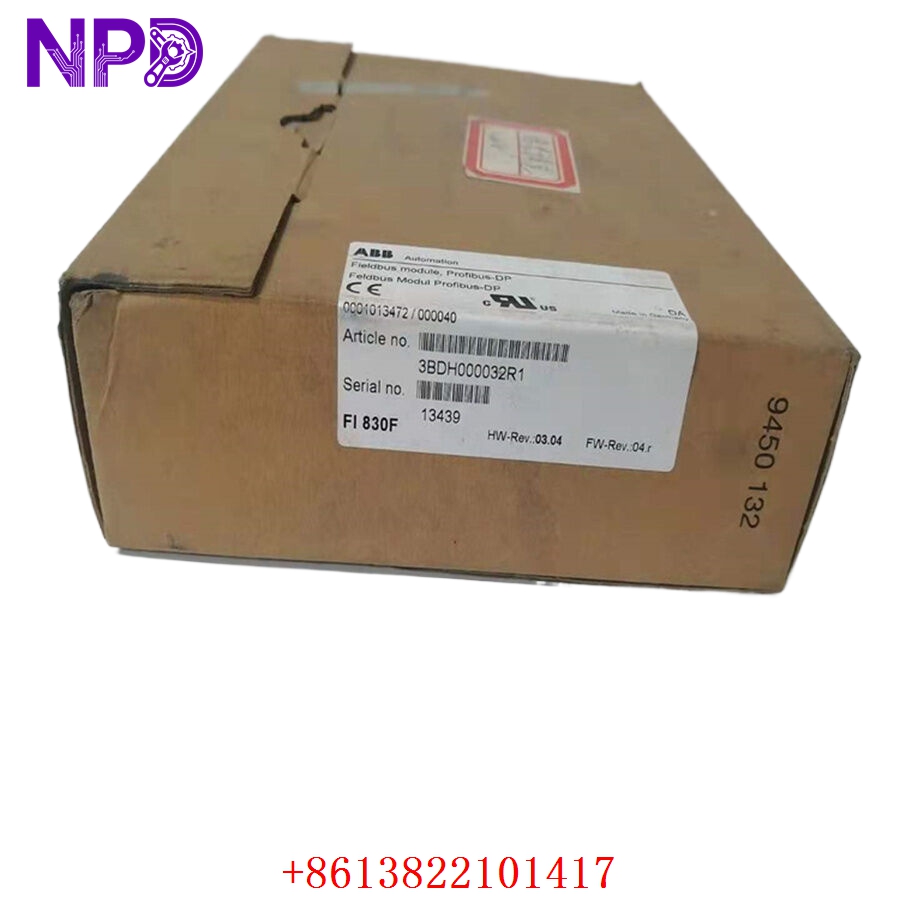

Description
🔍 Product Overview
The MAN 51.27721-7105 is a high-reliability main control board designed for the MAN Marine Diesel Monitoring and Diagnostic System – Common Rail (MMDS-CR). This processing module serves as the localized intelligence core for high-speed marine diesel engines, continuously monitoring critical powertrain parameters, fuel injection behaviors, and safety sensor telemetry. Built specifically to withstand high thermal cycling and intense engine-room vibrations, this control board guarantees stable engine protection and seamless data integration with the bridge display stations.
⚙️ Technical Parameters & Specifications
- Model/Part Number: 51.27721-7105 (MMDS-CR Control Board)
- Engine Compatibility: MAN Common Rail Marine Engines (V8, V12, and R6 series)
- System Series: MAN Litronic / MMDS Marine Automation
- Dimensions: 230 mm x 175 mm x 40 mm
- Weight: 0.88 kg
- Country of Origin: Germany
🚀 Application Areas
- MAN Marine Engine Propulsion Systems: Executing real-time diagnostic processing for main propulsion drives.
- Common Rail Fuel System Monitoring: Tracking rail pressure, injection timings, and fuel delivery safety metrics.
- Engine Protection and Alarm Tripping: Managing emergency stop loops, overspeed protection, and low oil pressure shutdowns.
- Integrated Shipboard Control Network: Acting as the localized engine node transmitting powertrain variables to the bridge telegraph and display systems.
📖 Product Usage Instructions
The 51.27721-7105 control board is designed for flush installation inside the engine-mounted terminal box (E-Box). Ensure that all power is completely isolated before attempting to insert or remove the board from its mating connector backplane. Use standardized anti-static handling gear during installation. Secure all multi-pin wiring harnesses using the integrated locking clips to prevent contact disruption caused by continuous engine harmonics.
🌐 Communication Configuration Steps
- IP Address / Network Protocol: The module connects via a dedicated J1939 CAN bus or industrial Ethernet backbone depending on the generation of your MMDS configuration. Network parameterization is handled through the MAN marine diagnostics software.
- Station Number: Assign the unique engine identifier (e.g., Engine 1 / Port, Engine 2 / Starboard) by configuring the onboard address selectors or defining the node parameters within the system setup software.
- Baud Rate: The serial and CAN bus networks automatically synchronize to standard MAN fieldbus speeds (typically 250 kbps for engine CAN links) to ensure frame timing and alarm synchronization.

⚡ Power-Up & Commissioning Flow
- Harness Verification: Visually check that all multi-pin plugs are fully inserted and locked into their respective sockets.
- Voltage Supply Audit: Measure the incoming DC supply voltage at the E-Box terminals; ensure it is a stable 24V DC nominal input.
- Boot Initialization: Switch on the engine control keyswitch. The status indicators on the board will flash through an internal safety integrity test sequence.
- Diagnostic Interlock Check: Connect the MAN diagnostic tool to verify that the control board establishes a clean handshake with the fuel injection controller without triggering active diagnostic trouble codes (DTCs).
✅ Initial Operation Checklist
- Are all wiring harnesses routed through vibration-dampening strain reliefs?
- Has the control board housing been securely fastened to avoid mechanical rubbing?
- Does the bridge display correctly mirror the real-time engine serial number fetched from the board?
- Have the emergency stop safety loops been physically tested to confirm instant relay trip outputs?
❓ Common Questions (Q&A)
Q: What causes a communication timeout alarm between the MMDS board and the bridge display?
A: This is generally caused by an interruption in the twisted-pair CAN network lines, a loose connection at the E-Box terminal barrier, or an identical station number conflict on multi-engine setups.
Q: Can this board be flashed with new engine maps or firmware directly in the field?
A: Yes, authorized technicians can flash application firmware and configure engine configurations using the dedicated MAN Cats service tool through the diagnostic port interface.
Q: Is it necessary to replace the board if a single analog sensor input fails?
A: Not immediately. Check if the fault lies with the sensor wiring or connector pins first. If the channel’s internal isolation barrier is damaged, the input channel can often be remapped or isolated within the system software before opting for a complete board replacement.