
Description
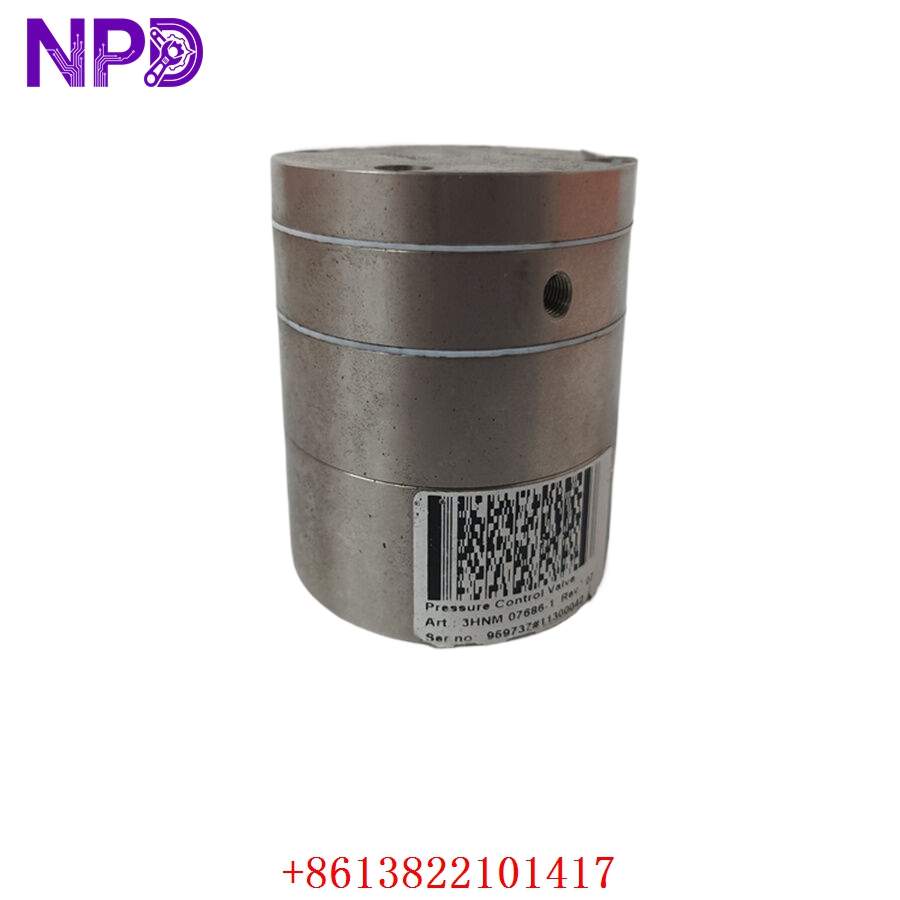
- Model: ABB 3HNM07686-1
- Brand: ABB (Switzerland)
- Series: IRC5 Industrial Robot Control System Series
- Core Function: Drives robot joint motors, Brand New Surplus condition, never refurbished
- Type: Servo Drive Unit
- Key Specs: Multi-axis/single-axis drive capability | Fits IRC5 cabinets | Integrated brake control
- Input Voltage: 400 V to 480 V AC (3-phase)
- DC Bus Voltage: 560 V to 680 V DC
- Compatible Controller: ABB IRC5 Robot Cabinet
- Cooling Method: Forced air cooling via built-in cooling fans
- Communication Interface: Dedicated high-speed synchronous backplane bus
- Feedback Type: Matches ABB standard Serial Measurement Board (SMB)
- Safety Function: Supports Safe Torque Off (STO) linkage
- Enclosure Rating: IP20
- Operating Temperature: 0 °C to +45 °C
- Installation Type: Slide-in rack mounting for IRC5 drive modules
Part 4: Installation & Configuration Guide
Phase 1: Pre-Installation (Estimated Time: 15 minutes)
⚠️ Safety First:
- Notify production scheduling, confirm the robot is offline, and schedule the downtime windows.
- Switch the FlexPendant to manual mode and move the robot axes to a safe posture for mechanical locking.
- Disconnect the main power supply of the IRC5 cabinet, unplug the factory power feed, and implement Lockout/Tagout (LOTO) procedures.
- Wait at least 10 minutes after disconnecting power. The high-capacity capacitors inside the drive unit require time to bleed off residual voltage. Skipping this wait poses a severe risk of electrical shock and component damage.
Tool Preparation:
- Anti-static wrist strap and ESD mat
- Phillips screwdrivers (PH1 and PH2 specifications)
- Fluke 115 Digital Multimeter (for checking DC bus voltage)
- Label tape, marker pen, and smartphone (for visual documentation)
Backup Procedures:
- Execute an “Advanced Backup” via the FlexPendant to export the system image and current user programs to a USB flash drive.
- Take clear photographs of the old drive’s wiring layout, terminal markers, and slot positioning inside the rack, focusing on the feedback cable connections at the bottom.
Phase 2: Removal (Estimated Time: 10 minutes)
Steps:
- Use the multimeter in DC voltage mode to check the pre-stage or rack bus test points. Verify that the voltage has dropped below a safe level of 24 V DC.
- Unplug the low-voltage control signal connectors on the front panel and mark their sequence using label tape.
- Loosen the terminal screws securing the heavy-duty power input and motor output cables, then gently pull the wires out. Do not yank them roughly; some wiring harnesses in the IRC5 cabinet are tightly routed and excessive force can snap internal pins.
- Unscrew the mounting bolts at the top and bottom of the drive unit.
- Slide the old drive unit horizontally out along the rack rails. Keep it straight to avoid bending the power distribution busbar clips at the back.
⚠️ Key Notes:
- The heatsink on the removed drive unit may be hot. Handle it using insulated gloves or lift it by the plastic housing frame.
- Check for any specific hardware jumpers or stickers on the old module and log them with a photo before disposal.
Phase 3: Installation (Estimated Time: 15 minutes)
Steps:
- ESD Protection: Put on your anti-static wrist strap and unpack the new drive unit from its ESD shielding bag.
- Verify Model Number: Check the physical nameplate to confirm the part number is 3HNM07686-1 and check that the hardware version matches the existing system requirements.
- Replicate Configurations: Inspect the sides or rear of the new module for physical DIP switches or jumpers. Match their positions exactly to the configuration photos taken from the old unit to preserve axis addressing.
- Insert into Rack: Align the new drive module with the chassis guide rails. Push it inward smoothly until you hear a solid click, confirming that the rear high-voltage contacts have mated securely with the busbar.
- Reconnect Cables: Tighten the top and bottom mounting bolts to secure the unit. Reattach all signal lines and motor power cables according to your labels and photos. Tighten the terminal screws with moderate torque (approx 0.5 N·m) to prevent stripping.
- Give the cables a gentle tug to verify they are locked in.
Self-Check Checklist:
- [ ] Hardware jumpers/DIP switches match the original unit exactly
- [ ] Power output cables and control signal lines are fully seated
- [ ] Rack mounting bolts are tightened with zero mechanical play
- [ ] Account for all tools, verifying no loose screws are left inside the cabinet
Phase 4: Power-On & Testing (Estimated Time: 20 minutes)
Pre-Power Checks:
- Before closing the main breaker, use the multimeter in Ohms mode to measure resistance between the 3-phase input terminals and to ground (GND), ensuring no short circuits exist.
Power-On Steps:
- Switch on the main breaker for the IRC5 control cabinet.
- Monitor Drive Status LEDs: Under normal conditions, the module LEDs will initialize and turn solid green. If a red indicator (such as MS/NS or Fault) stays lit, kill the power immediately to troubleshoot the bus setup.
- Observe the FlexPendant. If the system reports a hardware mismatch or drive software discrepancy, connect a laptop running RobotStudio to inspect the drive firmware version. Original New Surplus units match standard setups, but if a variance occurs, navigate to the firmware utility in RobotStudio and execute an “Update Firmware” sequence (takes around 15-20 minutes).
- Functional Testing: In manual mode at 25% speed, jog each robot joint controlled by the new drive unit. Check for smooth movement and listen for abnormal mechanical noise.
- Test the safety chain: Trigger an emergency stop button to confirm that the drive’s STO function cuts motor power instantaneously.
- Run an un-loaded production routine in a continuous loop for 30 minutes. Check the drive temperature and review the system log for intermittent faults. If clear, record the new component serial number in the maintenance log and return the cell to production.
Part 5: Customer Cases & Industry Applications
Case 1: Emergency Drive Replacement on an Automotive Welding Line
Situation: An automotive seat structure welding plant in East China utilizes multiple ABB industrial robots managed by IRC5 controllers for high-speed spot-welding operations. The line had run continuously for nearly 7 years, subjecting the hardware to thermal stress. During a high-temperature summer shift, a primary drive module, part number 3HNM07686-1 controlling axes 1-3, short-circuited and tripped the main breaker, stopping all upstream assembly work.
Task: Because the plant maintained no local safety stock for this discontinued component, the purchasing team contacted the OEM. The manufacturer responded that the exact part was no longer available for next-day delivery, and shipping an upgraded system modification from overseas would take 4 to 6 weeks. Every day of downtime risked massive contract penalties from the main automotive factory.
Action: The procurement manager sourced an immediate solution through our inventory database. Upon confirming our ready-to-ship stock of a brand new 3HNM07686-1, our laboratory staff mounted the drive onto our standard ABB IRC5 test bench. We ran full load and communication handshake simulations, providing the customer with a timestamped video and a certified QA report within hours. The module went out via next-morning priority air freight.
Result:
- Downtime Reduced: Using the step-by-step configuration guide provided, the plant engineers swapped the drive and matched the DIP addressing in 35 minutes. The system cleared all startup faults on the first boot.
- Financial Impact: The welding line resumed full capacity within 24 hours of the initial failure, saving the operator significant capital by preventing production defaults.
- Customer Feedback: “To be honest, we were worried about buying a cosmetic cleanup or a pull from a scrapyard. Seeing the actual serial number logged on your live test bench gave us the confidence we needed. It plug-and-played right away.”
Case 2: Preventive Spare Stocking for an Appliance Coating Shop
Situation: A major white-goods production facility operates a fleet of 12 ABB spray-painting robots using legacy IRC5 control architectures. Because these drive modules are classified as Obsolete by the OEM, finding authorized replacements from standard distribution channels had become nearly impossible.
Task: A total system overhaul quote exceeded 150,000 USD and required a full month of plant shutdown for engineering modifications. The engineering team opted to extend the lifespan of the existing setup for another 5 years. However, this strategy depended entirely on component availability. If a core drive like the 3HNM07686-1 suffered an unrepairable failure without a backup on hand, the whole line would stop indefinitely.
Action: We conducted an asset review for this facility, presenting clear tracking data on remaining global stocks for legacy IRC5 modules. We advised their procurement team that the market supply window for un-used parts was narrowing. The company chose to avoid the risks associated with cheap, un-tested components and purchased 2 units of our original new 3HNM07686-1 drive modules to hold as on-site buffer stock.
Result:
- Long-term Protection: Late last year, the drive module on robot number 3 failed due to continuous exposure to ambient heat and airborne solvent residue. Thanks to the on-site buffer stock, the maintenance crew performed an immediate swap during a scheduled shift change.
- ROI Delivered: The purchasing lead noted during their annual vendor evaluation: “Some managers thought stocking discontinued parts was tying up cash flow. But when that module went down, having a clean, original component ready saved us days of blind searching. It paid for itself in one shift.”
Part 6: Frequently Asked Questions (FAQ)
Q1: Since the 3HNM07686-1 is discontinued, how do you guarantee it is truly “original and brand new”?
A: It is a valid concern raised by many procurement teams when purchasing legacy hardware. ABB no longer mass-produces this specific version. Our available inventory consists of New Surplus components.
These modules originate from legitimate, authorized supply chains, including un-used warehouse overstock from cancelled automotive integration projects or final-batch inventory buyouts from regional distributors.
- Physical Condition: The units retain original factory labeling, display zero insertion wear on the terminal pins, and show no signs of board washing, component rework, or component discoloration.
- Traceability: We provide the exact factory serial number before you buy, allowing your team to verify the build date and production authenticity directly through standard service channels.
Q2: What happens if the drive fails to initialize on-site or breaks down down the road? What is your warranty policy?
A: Every 3HNM07686-1 drive unit we supply comes backed by a comprehensive 12-month warranty starting from the delivery date, mirroring the terms of standard new components.
To eliminate dead-on-arrival (DOA) risks, we enforce a strict quality protocol: No module leaves our facility without undergoing a 24-hour continuous load loop on our dedicated ABB IRC5 simulation bench, testing communication stability and thermal expansion limits under full load.
In the rare event of a hardware failure (excluding external voltage surges, bad field wiring, or ESD damage):
- Within 7 days: We provide a full refund or swap, covering all freight logistics.
- Within 1 year: Return the unit for diagnostic verification, and we will issue an identical New Surplus replacement module from our reserve stock.
Q3: Will my robot lose its motion parameters or programs when I swap out this drive module?
A: No, a direct replacement will not cause you to lose your robot programs or calibration coordinates. The IRC5 operating system, user routines, and calibration offsets are stored on the main computer’s flash storage and CF card, not inside the drive module itself. The drive unit simply translates bus commands into voltage and current for the motors.
However, keep these two installation details in mind:
- Hardware Addressing: You must verify that the physical jumpers or DIP switches on the side of the replacement unit match your old module exactly. If they do not, the main computer will fail to locate the drive on the internal network.
- Firmware Sync: If the firmware pre-loaded on our surplus drive belongs to a different Revision level than your cabinet’s system pack, the FlexPendant may generate a mismatch flag. You do not need to reprogram the robot; simply connect via RobotStudio, select the drive node, and run the “Update Firmware” tool to overwrite the drive’s flash memory with the cabinet’s current matching image.
Q4: I see refurbished 3HNM07686-1 units online for much less. Why should we pay more for your inventory?
A: Lower-priced alternatives are typically used pull-outs or repaired units from third-party workshops. Those repair shops often just clean the plastic housing, spray a clear coat over the board, or replace a few worn capacitors while leaving aged transistors and optocouplers intact.
Industrial robots operate in high-precision, high-velocity environments where uptime dictates profitability.
- The Cost of Risk: A cheap component that fails after three months causes a secondary round of downtime, emergency shipping expenses, and lost production hours that quickly eclipse any initial purchase savings.
- Total Cost of Ownership (TCO): A New Surplus module provides factory-grade insulation, un-degraded silicon components, and a full 1-year warranty, yielding a service lifespan of 8-10 years. The premium you pay ensures reliability where it matters most, backed by real test data instead of a quick repair job.
Q5: Do you provide official commercial invoices, and how fast can you ship internationally?
A: Yes, we provide full commercial documentation for corporate compliance and customs clearance.
Invoicing Options:
- Standard Commercial Invoices are generated with every shipment, detailing the exact Harmonized System (HS) code (typically 8537.10 for programmable controllers/drives) and actual transaction values.
- Value Added Tax (VAT) or specific regional invoices can be coordinated during checkout based on your corporate tax registration details.
Shipping and Logistics:
- Dispatch Speed: If your purchase agreement and payment clearing are finalized by 4:00 PM, the module goes out the same day. The short delay is simply for a final visual inspection and secure ESD crating.
- International Transit: We utilize express accounts with DHL, FedEx, and UPS, delivering to major industrial hubs in North America, Europe, and Southeast Asia within 5 to 7 business days. Air-freight tracking is provided immediately upon pickup.