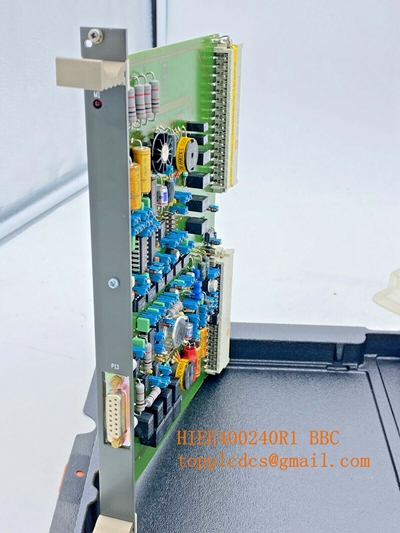
Description
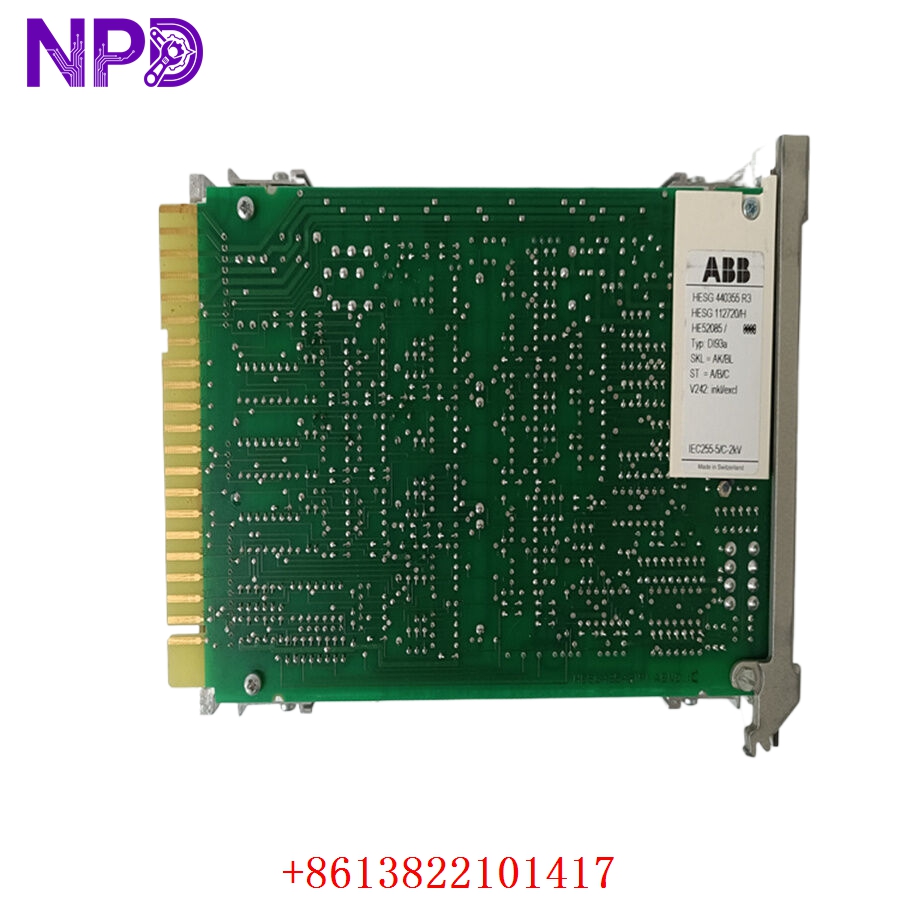
- 🔢 Model: DI93a (Part Number: HESG440355R3)
- 🏢 Brand: ABB
- ⛓️ Series: Advant Controller / MasterPiece Series
- 💡 Core Function: High-density digital input signal acquisition
- 🛠️ Type: Digital Input Module (DI)
- ⚡ Key Specs: Multi-channel input processing, industrial signal isolation
- 🔢 Channel Count: Multi-channel digital input array
- ⚡ Input Voltage: Typically 24 V DC (standard industrial logic level)
- 🛡️ Isolation: Opto-isolated inputs for noise immunity
- 🌡️ Operating Temp: 0°C to 55°C
- 🔩 Mounting Type: Rack/Backplane mounted
- 🛡️ Protection Rating: IP20
- 💡 Status Indicators: Per-channel LED status indication
- 🛠️ Configuration: Hardwired field connections to terminal blocks
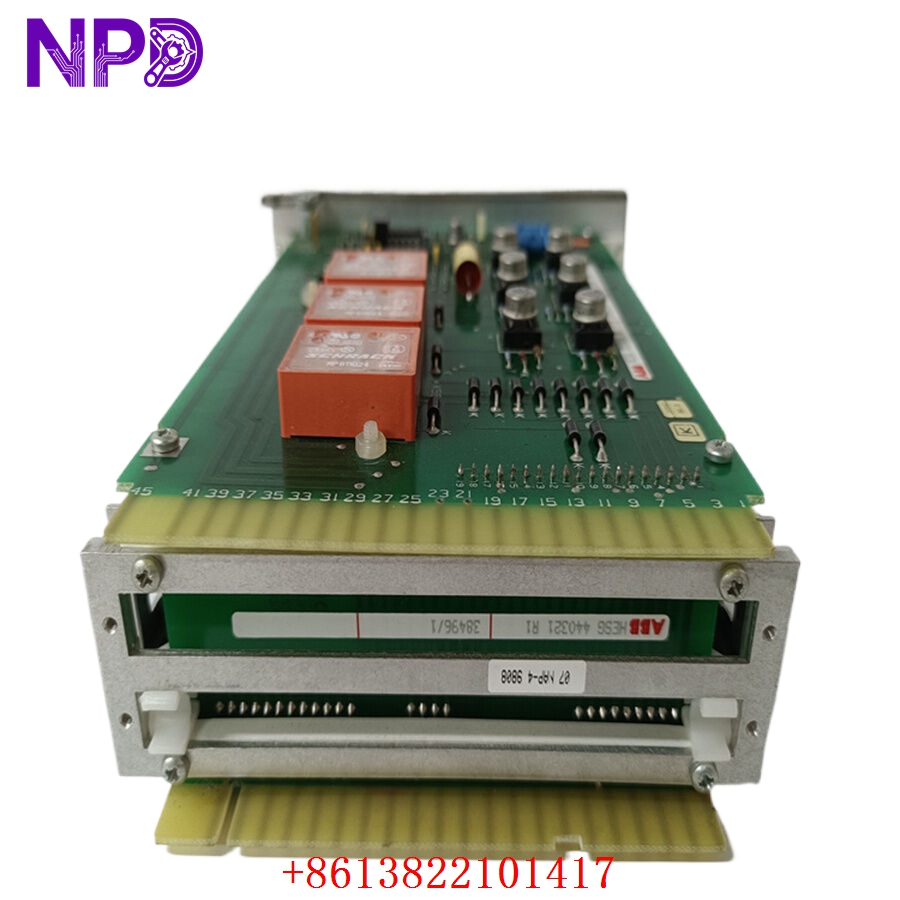
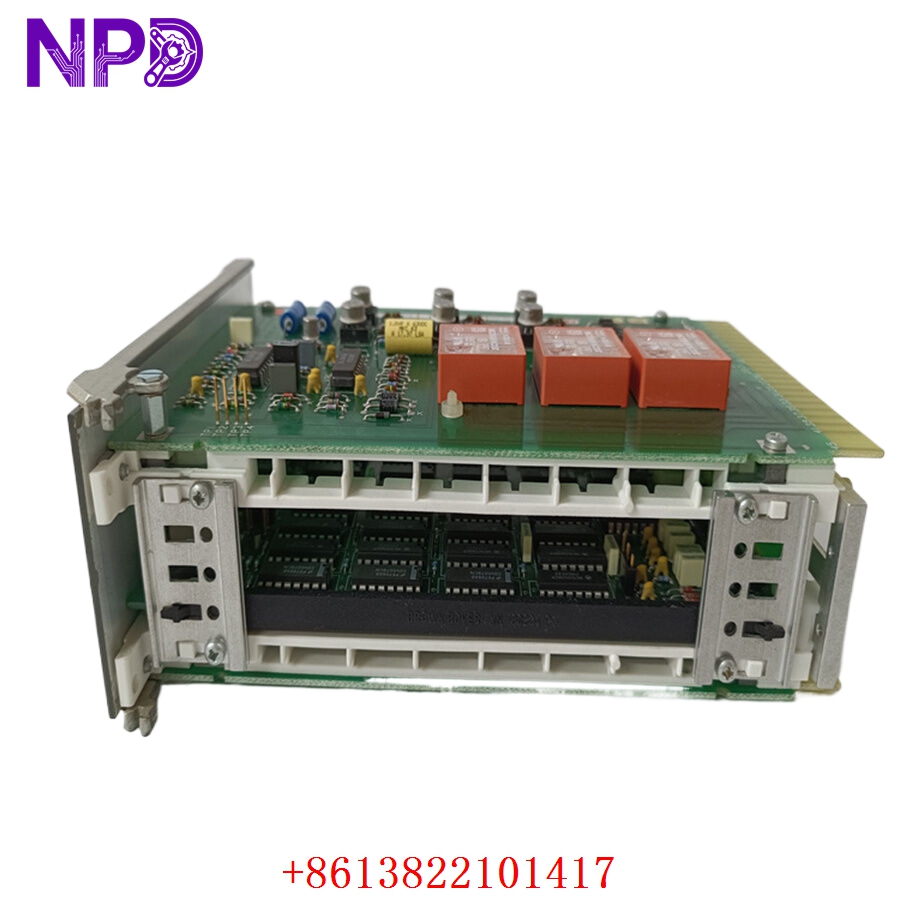
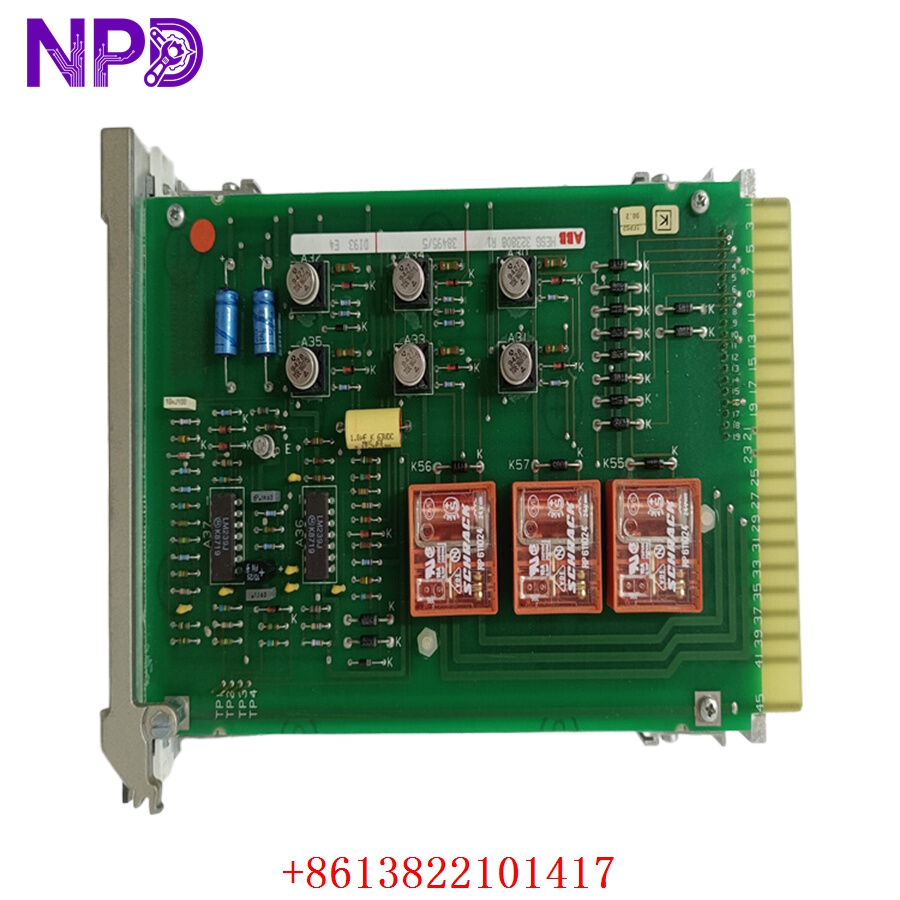
Installation & Configuration Guide
Phase 1: Preparation (10 mins)
⚠️ Safety First:
- Isolate the field power supply before connecting or disconnecting I/O signals.
- 🧤 Use an anti-static wrist strap; the DI93a logic board is sensitive to electrostatic discharge.
- Verify that the field signal voltage matches the module’s rated input level.
Phase 2: Removal & Installation (15 mins)
- 📸 Record Settings: Before disconnecting, label every field wire (e.g., “DI1,” “DI2”) to ensure correct termination on the replacement unit.
- 🔩 Detachment: Release the module locking clips and pull the module straight out from the backplane connector.
- 📥 Insertion: Align the module with the backplane guide rails. Press firmly until the connector pins seat properly into the backplane.
- 🔌 Wiring: Re-terminate the field wiring into the terminal block. Ensure screws are tightened to the correct torque (approx. 0.5 N·m) to prevent high-resistance connections.
Phase 3: Testing & Commissioning (10 mins)
- 🟢 Power-Up: Apply power and check that the Power LED is solid.
- 🔄 Signal Verification: Toggle field sensors one by one. Observe the per-channel LEDs on the front panel to confirm that the input state changes correctly.
- 📡 System Integration: Use the master station software to verify that the logic level is correctly interpreted by the controller.
- 🩺 Diagnostics: If a channel LED does not light up during signal activation, check for field-side circuit continuity.
Customer Cases & Industry Applications
Case: Legacy System Signal Processing Restoration
- Situation: A water treatment plant used the DI93a (HESG440355R3) for monitoring critical pump pressure switches and flow status.
- Task: An electrical transient damaged one of the input channels, causing a “False Low Pressure” alarm that prevented the pump from starting.
- Action: The facility utilized our New Surplus inventory to replace the module. The swap was performed during a scheduled maintenance shift.
- Result: The system returned to full operational status immediately upon commissioning. By sticking with the original HESG440355R3 hardware, the plant avoided a complete PLC system upgrade, saving tens of thousands in capital costs and weeks of potential downtime.
Frequently Asked Questions (FAQ)
Q: Is HESG440355R3 the same as DI93a? A: Yes, DI93a is the common series identifier, while HESG440355R3 is the precise ABB catalog part number.
Q: How do I know if the module is faulty or if the field sensor is at fault? A: A quick test is to jump 24 V DC directly into the input terminal of the module. If the corresponding channel LED lights up, the module is healthy, and the issue lies in your field wiring or sensor. If the LED does not light up despite confirmed 24 V input, the module channel is likely damaged.
Q: Is the unit new? A: We provide New Surplus modules. These are original ABB components in their factory-sealed state. We avoid “refurbished” parts, as digital input modules are critical for accurate process monitoring and reliability.
Q: Can I replace this module while the system is running? A: Unless your specific controller system supports “Hot Swap” functionality and you have the correct MTU (Modular Termination Unit) that allows for it, we strongly recommend a controlled system power-down. Attempting to pull an I/O module while the backplane is energized risks damaging the connector pins and internal circuitry.