
Description
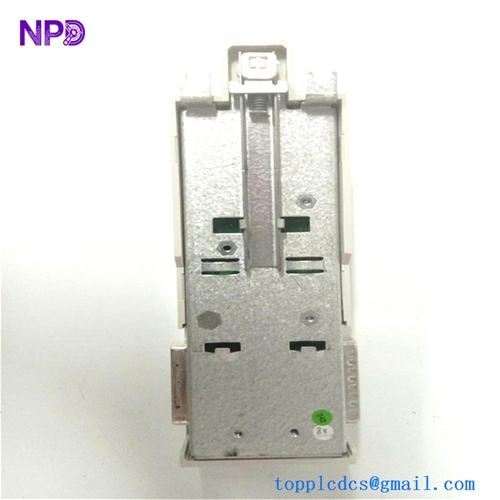
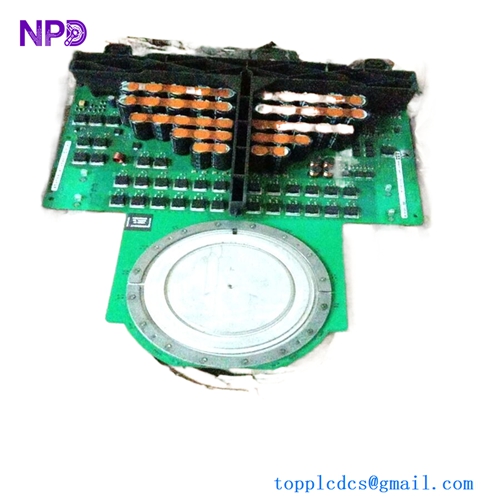
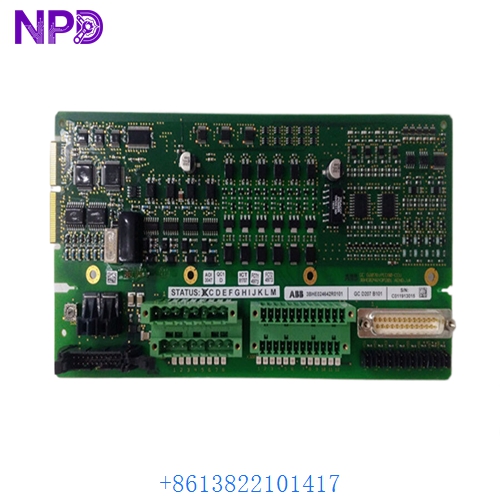
- Model: GCD207B101
- Part Number: 3BHE024642R0101
- Brand: ABB (Switzerland)
- Series: Unitrol 6000 / High Power Rectifier (HPR)
- Core Function: Thyristor Gate Firing and Phase Synchronization
- Type: Phase Control and Gate Driver Board
- Key Specs: 6-pulse firing capability, fiber-optic communication, high-voltage isolation
- Firing Channels: 6 independent gate pulse outputs for a full-bridge rectifier
- Communication Interface: Fiber-optic links for noise-immune triggering (HECS/ARC)
- Synchronization: Direct phase-angle tracking for 50/60 Hz systems
- Input Voltage: Low-voltage DC supply for logic; high-voltage isolation for pulse circuits
- Monitoring: Integrated feedback for thyristor status and “misfire” detection
- Operating Temp: -10°C to +70°C (Industrial grade for cabinet mounting)
- Connector Type: High-density terminal headers and fiber-optic ports (ST/SC)
- Coating: Conformal coating as standard for protection against industrial dust/moisture
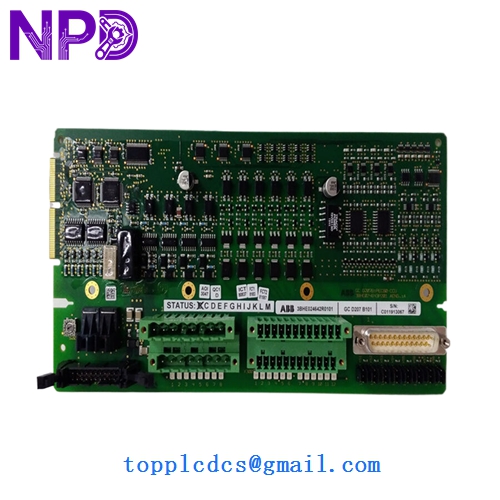
ABB GCD207B101 3BHE024642R0101
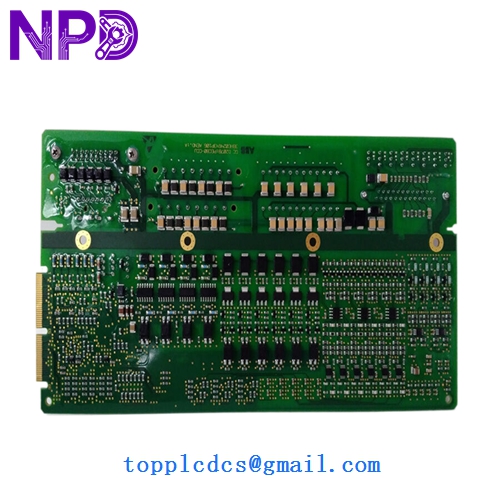
ABB GCD207B101 3BHE024642R0101
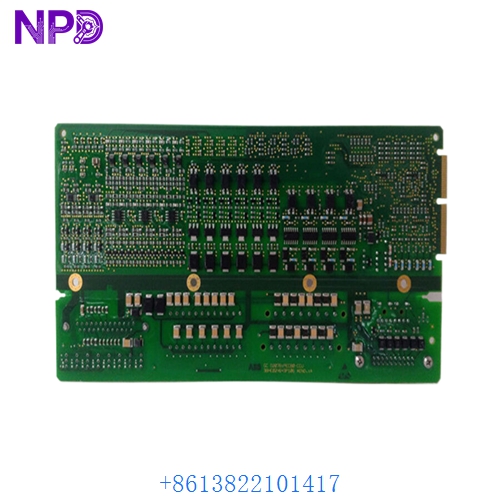
ABB GCD207B101 3BHE024642R0101
Installation & Configuration Guide
Phase 1: Pre-Installation (Preparation: 20 minutes)
⚠️ DANGER: High Voltage: Excitation systems involve lethal voltage levels and high energy.
- System Lockout: The generator must be offline and the excitation transformer primary breaker must be racked out/locked.
- Fiber Optic Care: These boards communicate via fiber optics. Use a clean, lint-free swab to clean the fiber ends before insertion. A single speck of dust can cause a “Sync Loss.”
- Firmware Check: Verify the revision (GCD207B101 vs. earlier versions). While usually backward compatible, always check the software release notes for the Unitrol 6000 controller.
Phase 2: Removal (Step-by-Step)
- Fiber Disconnection: Gently unlatch the fiber-optic cables. Avoid sharp bends (radius must be >30 mm).
- Wiring: Label all copper wiring. The 3BHE024642R0101 often has pulse transformer connections that are polarity-sensitive.
- Grounding: Ensure the board mounting screws are removed. These often serve as the functional ground for the gate pulse return.
Phase 3: Installation & Power-On
- Mounting: Secure the board. Ensure the metal standoffs provide a clean electrical contact to the chassis.
- Re-wiring: Reconnect copper and fiber leads. Double-check the “Firing Order” (U, V, W) matches the rectifier layout.
- Power-Up (Logic Only): Apply control power first without the power stage active.
- Diagnostic Verification: Use the ABB Control Builder or local HMI to check the “Gate Driver Healthy” status. Verify that the fiber-optic signal strength (TX/RX) is within nominal decibel ranges.
Customer Cases & Industry Applications
Case 1: Nuclear Plant Preventive Maintenance A nuclear facility during a planned outage identified “carbon tracking” on an original GCD207B101 board. If left in service, it would have eventually caused a gate short, tripping the generator. Because they secured a New Surplus 3BHE024642R0101 from our stock, they replaced the board in under an hour, avoiding a potential $2M/day loss associated with an unplanned shutdown.
Case 2: Steel Mill Rectifier Failure A large steel mill’s DC drive system utilized Unitrol technology for its main motor excitation. A sudden cooling fan failure caused the GCD207B101 to overheat and fail. We dispatched the part via “Hand-Carry” service. The part arrived at 3 AM, was installed by 5 AM, and the mill resumed production by the morning shift, saving thousands in lost output.
Frequently Asked Questions (FAQ)
Q: Can I use this board if my part number is slightly different (e.g., R0102)? A: The “R” suffix (e.g., R0101) denotes the hardware revision. In most ABB excitation systems, a higher revision can replace a lower one, but you must ensure the “B101” designation matches. I recommend sending us a photo of your existing nameplate for a 100% compatibility check.
Q: Why is the fiber-optic connection important? A: Gate drivers like the GCD207B101 sit in environments with massive electromagnetic interference (EMI). Fiber optics isolate the sensitive control logic from the “noise” of the high-power thyristors, preventing accidental firing pulses.
Q: Does “New Surplus” mean it’s an old board? A: It means the board is in original, uninstalled condition from a strategic warehouse. Unlike “Refurbished” boards, which have been stressed by field usage, our New Surplus 3BHE024642R0101 has never seen current. We verify the board with a Fluke 115 and visual inspection of the conformal coating before shipping.
Q: What is the typical lifespan of this board? A: In a clean, temperature-controlled environment, these boards can last 15–20 years. However, in heavy industrial settings, we recommend replacement every 10 years as a preventive measure due to the aging of the pulse-shaping capacitors.