Description
- Model: HIER464920P0001
- Type Designation: UNS 0017A-P
- Brand: ABB (Switzerland)
- Core Function: Current detection and protective relaying
- Category: Measuring and Monitoring Relays
- Physical Profile: Compact modular design (Approx. 100mm W x 140mm H x 68mm D)
-
- Monitoring Function: High-precision current detection for overcurrent or undercurrent conditions.
- Accuracy: Designed for industrial-grade repeatability in harsh electrical environments.
- Response Time: High-speed switching to protect downstream equipment from surges.
- Enclosure: Industrial-grade housing with DIN-rail or panel-mount capability.
- Isolation: High galvanic isolation between the sensing circuit and the relay output.
- Temperature Range: Standard industrial operating range (-20°C to +60°C typical).
- Certifications: Often compliant with IEC/EN standards for electrical monitoring.
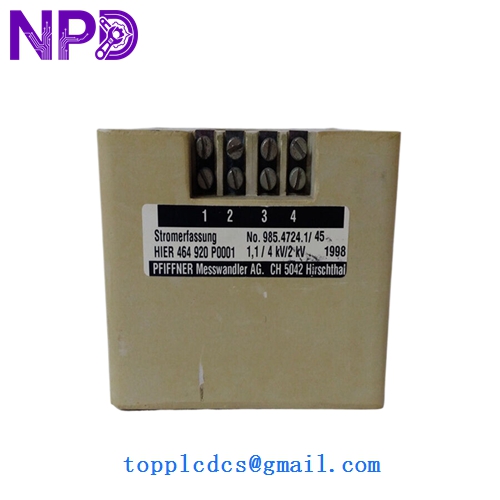
ABB HIER464920P0001
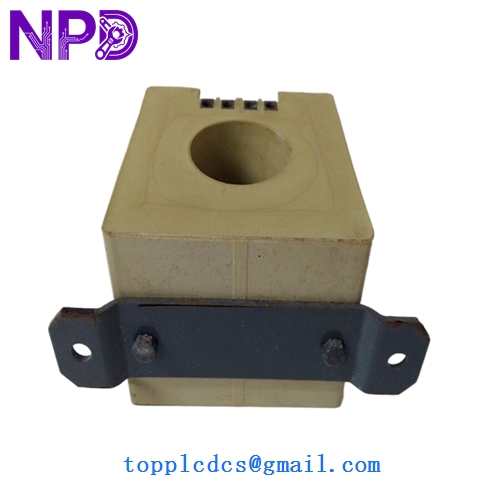
ABB HIER464920P0001
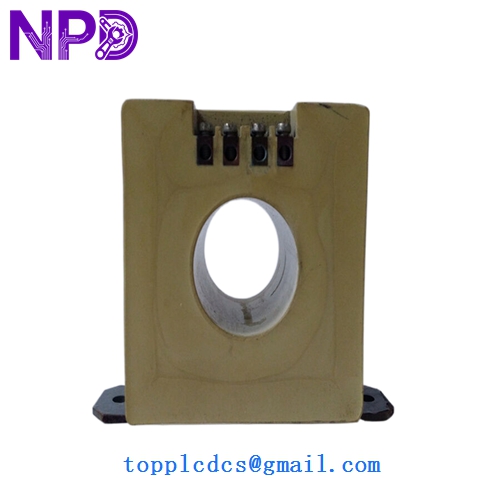
ABB HIER464920P0001
Installation & Configuration Guide
Phase 1: Pre-Installation (Preparation: 15 minutes)
⚠️ Danger: Electrical Shock: Current relays are directly interfaced with power circuits.
- De-energize: Ensure the main breaker is locked out and tagged out (LOTO) before accessing the relay cabinet.
- CT Check: If using a Current Transformer (CT), never open the secondary circuit while the primary is energized, as this can generate lethal voltages.
- ESD Precautions: Use standard anti-static procedures when handling the module’s internal terminals.
Phase 2: Removal & Replacement (Step-by-Step)
- Terminal Marking: Carefully label each wire connected to the HIER464920P0001. Swapping a sensing wire for a power wire can destroy the unit.
- Mounting: Unclip the unit from the 35mm DIN rail or remove the panel screws.
- Inspection: Check the original wiring for heat discoloration, which might indicate a loose connection or previous overcurrent event.
Phase 3: Commissioning
- Potentiometer Settings: Many UNS-series relays have front-facing dials for current threshold (Trip Point) and time delay. Set these to match your existing system’s protection coordination study.
- Power-Up: Apply control power and observe the status LEDs. A green LED typically indicates healthy supply.
- Trip Test: If possible, use a primary injection test set to verify the relay trips at the specified current level.
Customer Cases & Industry Applications
Case 1: Steel Mill Motor Protection A large induction motor in a metal smelting facility was experiencing frequent nuisance trips. After identifying that the original UNS 0017A-P had lost its calibration due to decades of high-vibration service, the mill replaced it with our New Surplus HIER464920P0001. The precise current sensing restored the motor’s operational uptime, preventing thousands of dollars in lost production per hour.
Case 2: Infrastructure Backup Systems A hospital’s emergency generator system utilized these relays for load-shedding logic. During a routine inspection, the relay failed its annual trip test. Since ABB had moved to newer models that required different mounting footprints, the facility purchased a New Surplus HIER464920P0001 to ensure a “drop-in” replacement without requiring costly panel modifications.
Frequently Asked Questions (FAQ)
Q: Is HIER464920P0001 a direct replacement for UNS 0017A-P? A: Yes, they are the same part. HIER464920P0001 is the unique ABB part identifier, while UNS 0017A-P is the functional type designation.
Q: Why is the unit relatively heavy (1.3kg) for its size? A: The weight is primarily due to the high-quality internal copper sensing coils and isolation transformers required for accurate current monitoring and safety isolation.
Q: Does it require external software for configuration? A: No. Most current relays in this series are “analog-logic” based and are configured via physical potentiometers or jumpers on the front or side of the unit.
Q: How do I verify if the unit is “New Surplus”? A: Our New Surplus units are inspected for original factory seals, clean terminal screws with no “bite” marks from previous wiring, and the presence of the original Swiss manufacturing labels. Each unit undergoes a basic continuity and power-on test before shipping.