
Description
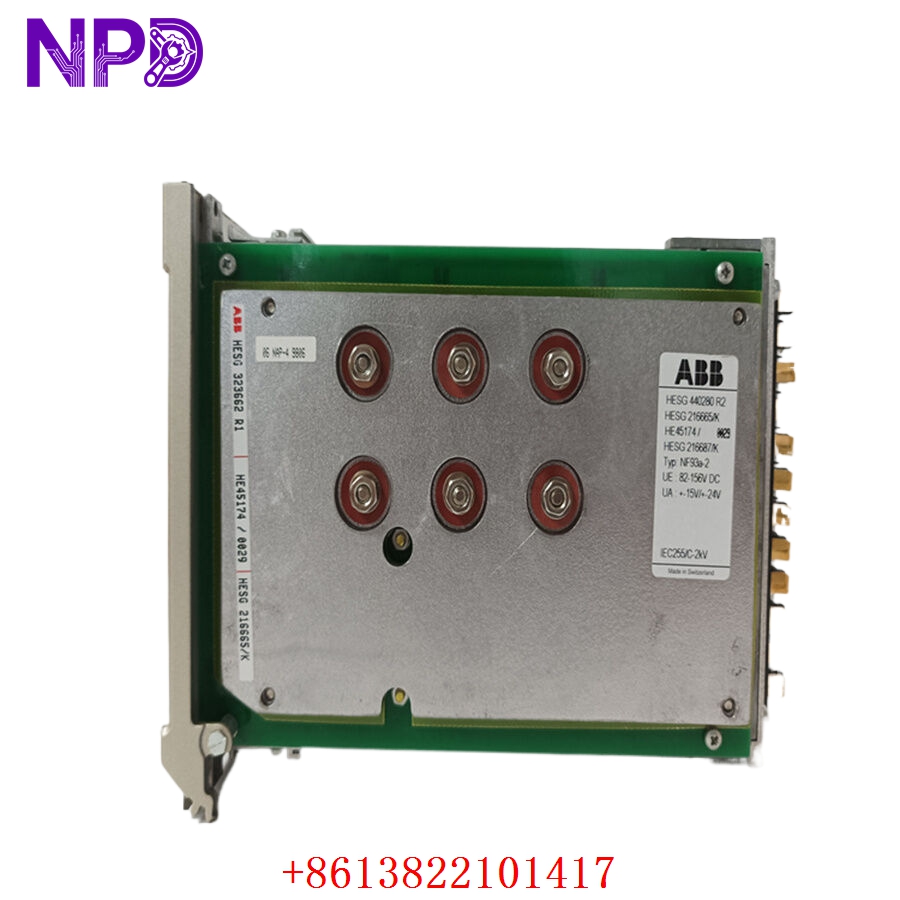
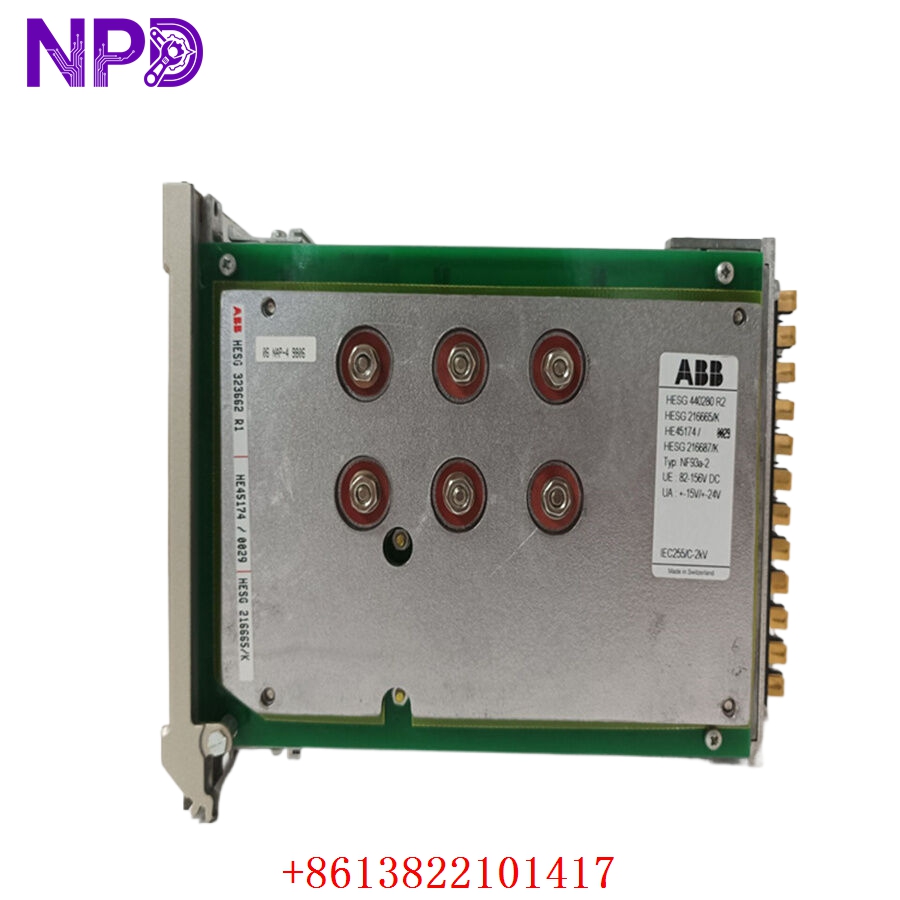
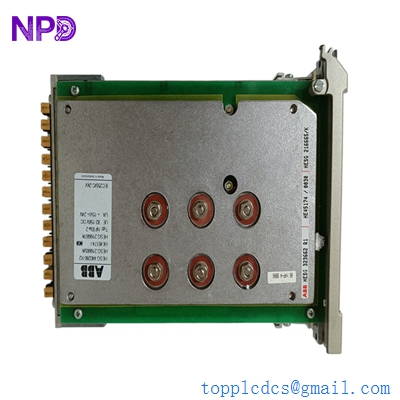
- Model: ABB NF93A-2 (Global Ordering ID: HESG440280R2 / Assembly Ref: HESG323662R1 / Base Card No: HESG216665K)
- Brand: ABB (Switzerland)
- Series: Advant OCS (Open Control System)
- Core Function: High-performance signal interface and communication processing module for Advant OCS architecture, Brand New Surplus condition
- Type: Interface/Control Module
- Key Specs: Multi-channel data processing | Galvanic isolation | Backplane bus integration
- Backplane Architecture: Parallel high-speed data bus matching ABB Advant OCS rack chassis standards.
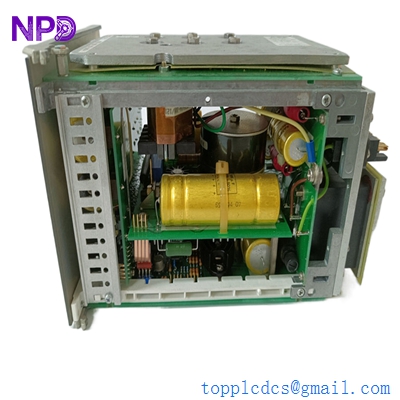
- Signal Isolation: Galvanic isolation provided via onboard optocouplers to ensure data integrity in noisy industrial environments.
- Processing Logic: Multi-bit interface logic designed for high-speed signal synchronization within the OCS rack.
- Front Diagnostic Block: Integrated status LED indicators for module health monitoring and channel status.
- Operating Ambient: -10 °C to +55 °C; must be maintained in a clean, non-condensing environment.
- Power Requirements: Operates on standard OCS backplane DC voltage rails (+5 V / ±15 V).
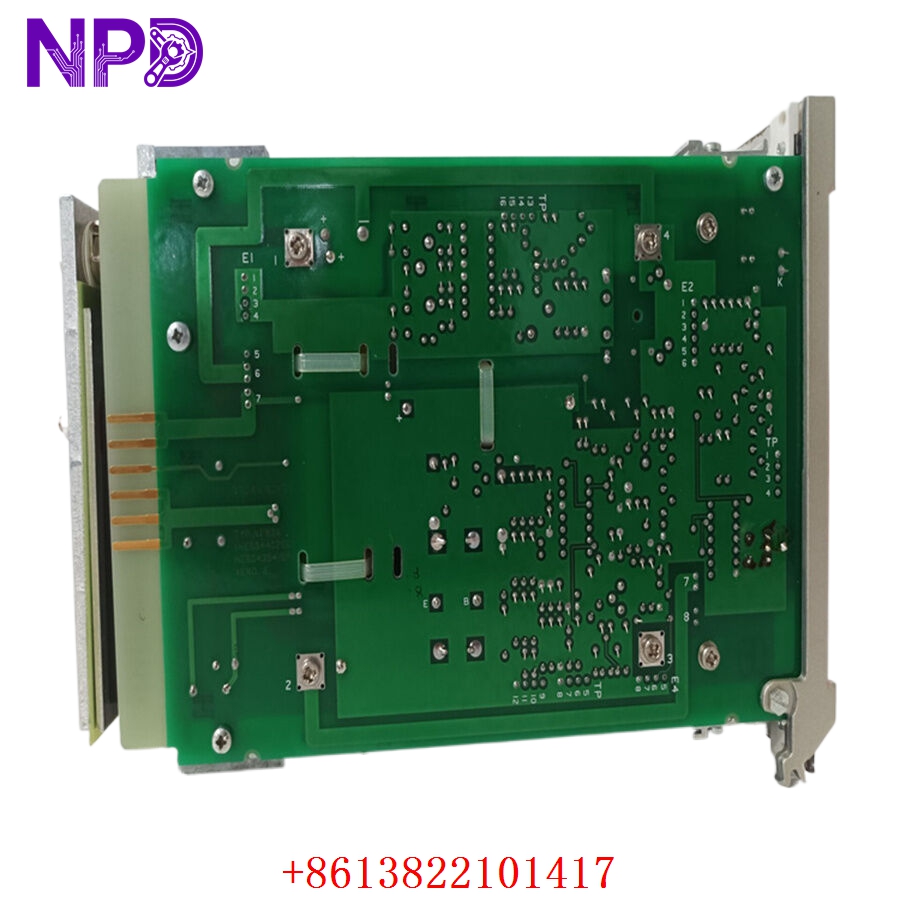
ABB NF93A-2 HESG440280R2 HESG323662R1HESG216665K
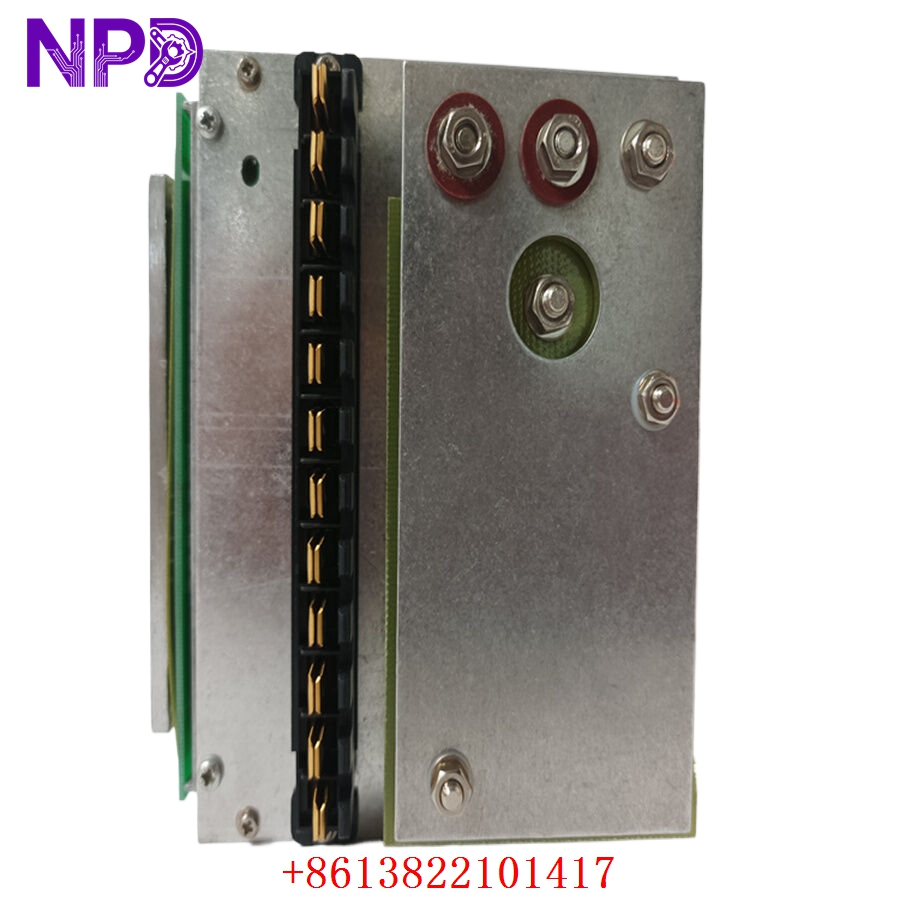
ABB NF93A-2 HESG440280R2 HESG323662R1HESG216665K
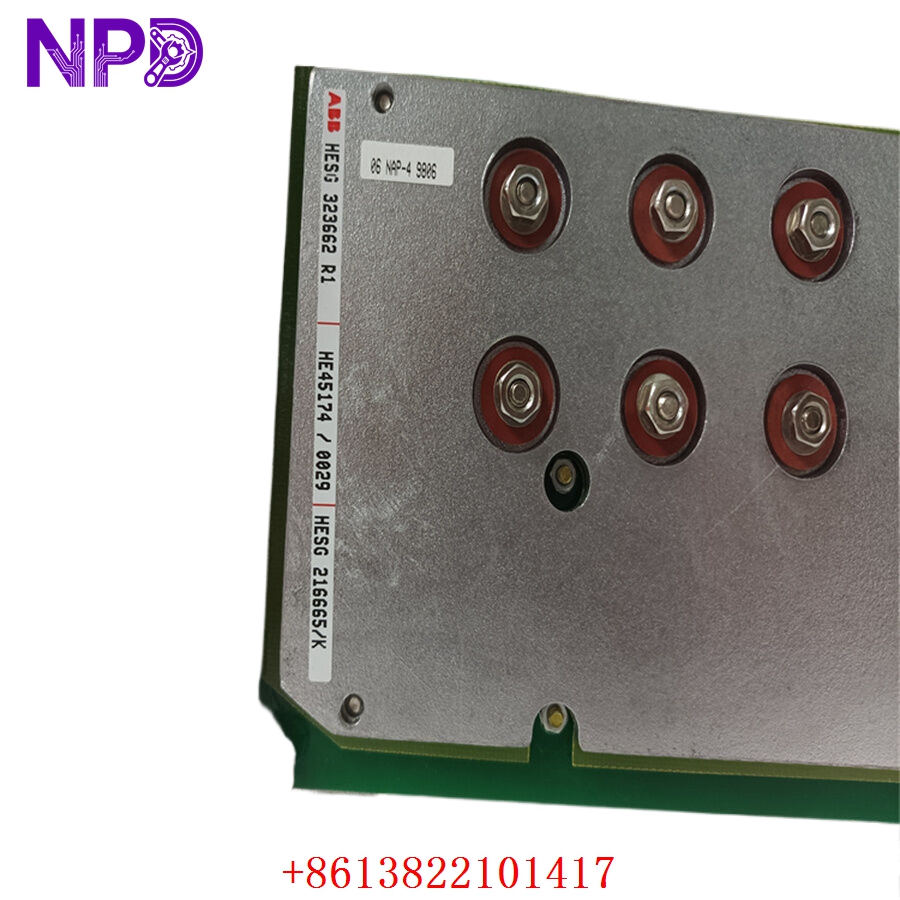
ABB NF93A-2 HESG440280R2 HESG323662R1HESG216665K
Part 4: Installation & Configuration Guide
Phase 1: Pre-Installation (Estimated Time: 20 minutes)
⚠️ Safety First:
- Ensure the system loop is in a safe manual or standby state.
- Isolate the primary power to the target Advant OCS rack.
- Apply LOTO tags to the rack’s power supply breaker.
- Allow 5 minutes for residual energy to discharge from internal capacitors.
Tool Preparation:
- Static-dissipative wrist strap
- Precision flathead screwdriver (2.5 mm)
- Digital Multimeter (for verifying zero-energy state)
Phase 2: Removal & Installation (Estimated Time: 20 minutes)
- Removal: Verify zero voltage. Disconnect field terminal connectors, labeling each wire for identification. Loosen the captive screws on the faceplate and slide the module out of the rack tracks.
- Setup: Compare the jumper/DIP switch configuration on the base board (HESG216665K) of the new module with the old unit. This is critical for ensuring correct slot addressing and logic mapping.
- Insertion: Align the module in the track guides and press firmly to seat the rear pins into the backplane connector.
- Completion: Reconnect terminal blocks and secure the faceplate with the captive screws.
Part 5: Customer Cases & Industry Applications
Case 1: Legacy Control System Recovery
A manufacturing facility utilizing an ABB Advant OCS architecture experienced a total failure of an NF93A-2 interface module, leading to a loss of monitoring data in their control loop. Sourcing a new surplus unit allowed for a seamless replacement without the need to redesign their control logic, keeping their aging infrastructure operational for several more years.
Case 2: Strategic Spares Inventory
A utility operator managing an older grid interface station recognized the difficulty in sourcing legacy Advant components. By stocking a new surplus HESG440280R2 module, they effectively hedged against future supply chain delays, ensuring they could maintain their system’s uptime requirements.
Part 6: Frequently Asked Questions (FAQ)
Q1: What do the various part numbers (NF93A-2, HESG440280R2, etc.) represent?
These identifiers point to the same functional module:
- NF93A-2 is the commercial designation.
- HESG440280R2 is the global ordering number.
- HESG323662R1 / HESG216665K refer to the specific assembly and base PCB manufacturing revisions.
Q2: Why is physical jumper replication so important?
The jumpers determine the module’s “identity” on the backplane bus. If you install a replacement without mirroring the old card’s jumper settings, the controller may fail to communicate with the slot, or worse, interpret signal data incorrectly, leading to process errors.
Q3: Why choose “New Surplus” over refurbished?
Refurbished modules often contain capacitors and internal components near the end of their service life. New Surplus hardware is authentic, un-used factory inventory, providing the reliability of a new part while being the only viable way to source parts for discontinued product lines.