
Description
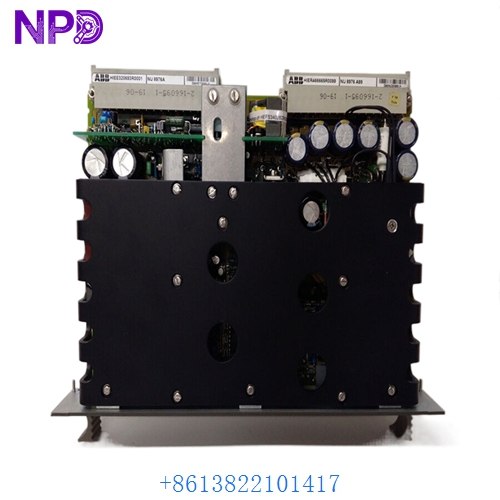
The ABB NU8976A99 (associated with Part Numbers HIER466665R0099 and HIEE320693R0001) is a high-precision Pulse Interface and Signal Conditioning Board. It is a specialized component used within ABB’s high-power electronics systems, most notably in the UNITROL excitation systems and MEGADRIVE large-scale motor drives.
Product Parameters (Datasheet)
- Model Number: NU8976A99
- Part Numbers: HIER466665R0099 / HIEE320693R0001
- Function: Pulse generation, signal isolation, and amplifier interface
- Input Voltage: Typically 24V DC / 15V DC (Internal system rails)
- Channels: Multiple pulse output channels for thyristor/IGBT gate control
- Isolation Voltage: High galvanic isolation (typically up to 2.5kV or higher)
- Signal Type: Frequency-modulated pulses or PWM (Pulse Width Modulation)
- Connector Type: Industrial multi-pin headers for backplane or ribbon cable connection
- Mounting: Eurocard format or dedicated ABB power electronics subrack
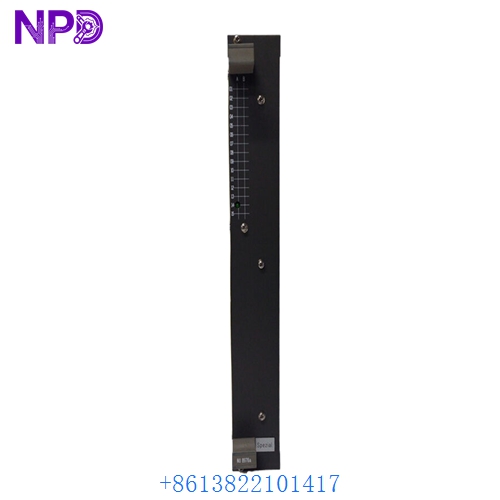
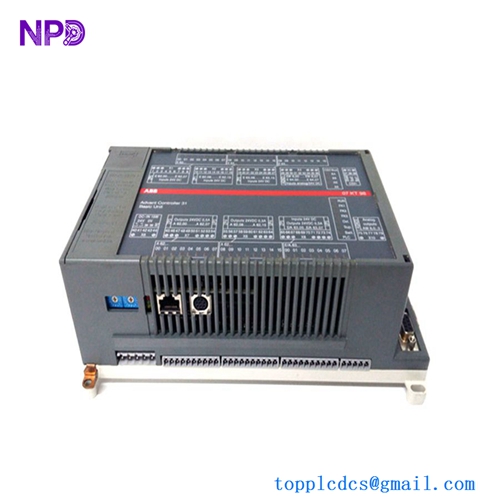
ABB NU8976A99 HIER466665R0099 HIEE320693R0001
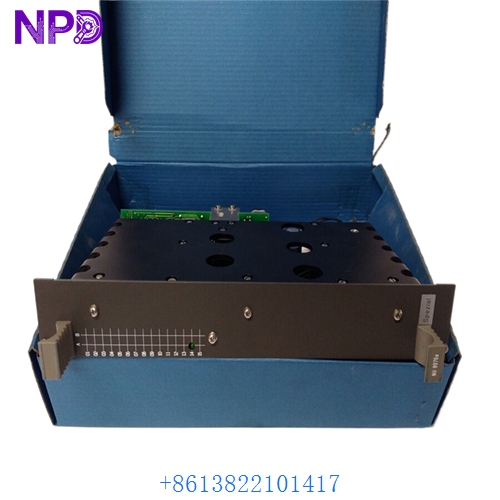
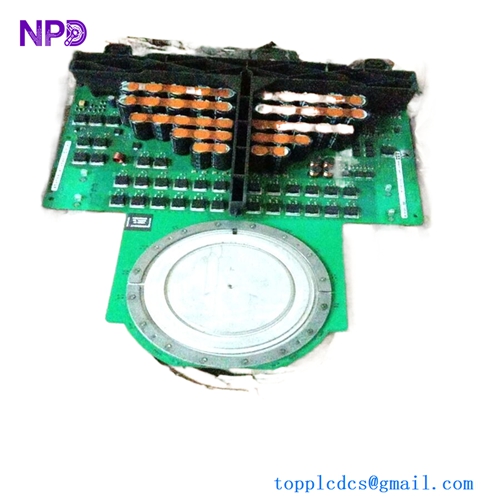
ABB NU8976A99 HIER466665R0099 HIEE320693R0001
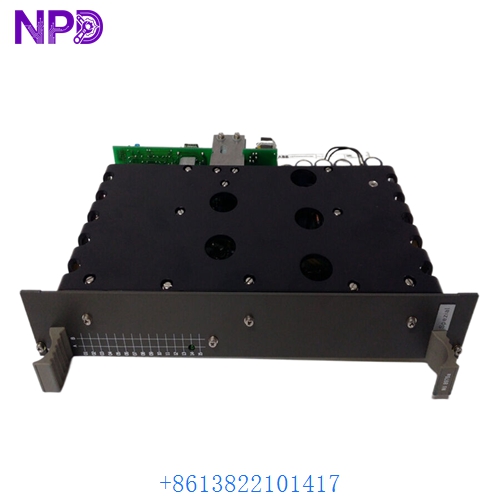
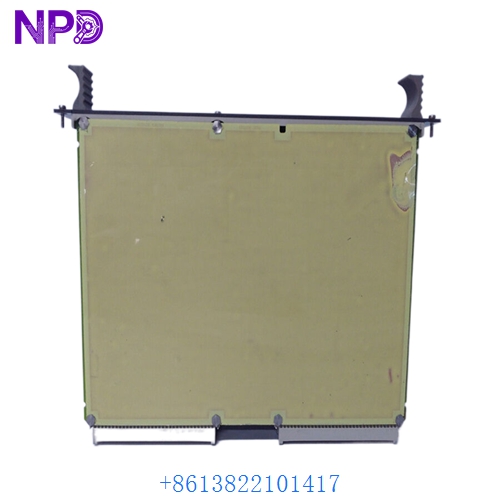
ABB NU8976A99 HIER466665R0099 HIEE320693R0001
Country of Origin
This board is engineered and manufactured by ABB Switzerland Ltd. in Turgi, the global center for ABB’s power electronics and excitation technology.
Application Fields
The NU8976A99 is critical for the synchronization and firing of power semiconductors:
- Excitation Systems: Found in UNITROL 5000/6000 systems for controlling the field current of large synchronous generators in power plants.
- Large AC Drives: Used in MEGADRIVE-LCI (Load Commutated Inverters) for high-power motor control.
- Static Var Compensators (SVC): Managing reactive power in utility-scale electrical grids.
- Soft Starters: Controlling the starting torque of massive industrial pumps and fans.
- Rectifier Systems: Used in heavy electrochemical plants (aluminum smelting, etc.).
Product Usage Instructions
- Safety Protocol: High-power systems contain lethal voltages. Ensure the system is fully discharged and grounded before handling this board. Use an ESD-safe wrist strap.
- Configuration: Verify any onboard jumpers or DIP switches against the original unit. These boards are often configured for specific firing angles or signal levels at the factory.
- Installation: Slide the board into the designated slot of the control rack. Ensure the 96-pin DIN connectors or ribbon cables are perfectly aligned to avoid bent pins.
- Fiber Optic Connections: If the board utilizes fiber optics for firing pulses, inspect the ends for dust and ensure the “click” lock is engaged.
- Calibration: After replacement, the excitation system may require a “null-balance” or “firing angle” check via the ABB commissioning software (e.g., CMT) to ensure precise synchronization with the grid frequency.
Product Technical Description
Technically, the NU8976A99 acts as a bridge between the digital control logic and the physical power thyristors. It receives low-level timing signals from the controller and converts them into high-energy pulses required to trigger the gates of large semiconductors. It features advanced Signal Conditioning to filter out electromagnetic interference (EMI) common in high-voltage environments. The dual part numbers (HIER and HIEE) often refer to the printed circuit board assembly (PCBA) and the finished, tested module version respectively, ensuring compatibility within the AC 800PEC or similar control architectures.
Q&A (Common Questions)
Q: Can I interchange HIER466665R0099 with HIEE320693R0001? A: Yes. In ABB’s numbering system, the HIER number usually identifies the raw board or sub-assembly, while the HIEE number refers to the complete, functional unit. They are part of the same equipment family.
Q: What is the most common failure mode for this board? A: Due to its role in pulse amplification, failure is often seen in the output optocouplers or capacitors due to thermal aging in 24/7 power plant operations.
Q: Is there a specific software required to test this board? A: Local diagnostics can be seen through the system’s HMI, but advanced testing requires the ABB CMT (Control Management Tool) connected to the main excitation controller.
Q: Does the “A99” suffix indicate a special version? A: “A99” often denotes a universal or high-revision version that is backward compatible with earlier “A01” or “A02” iterations of the same circuit design.
Similar Model Recommendations
- ABB NU8976A01 (Legacy version)
- ABB CIN99 / SDCS-PIN (Similar Firing Boards for DC Drives)
- ABB UNS0863A (Excitation Interface Module)
- ABB HIER466665 (Base PCB series)
- ABB 3BHE022293R0101 (Modern Excitation Controller)
For technical support or to procure the ABB NU8976A99, please contact our power electronics specialists.