
Description
- Model: PM511V16
- Part Number: 3BSE011181R1
- Brand: ABB (Sweden)
- Series: Advant OCS (AC 410 / AC 450)
- Function: Central Processing Unit (CPU)
- Memory: 16 MB (V16 version)
- Processor Performance: High-speed 32-bit execution for deterministic control of large I/O counts.
- Memory Management: 16 MB of onboard memory for storing complex control software (AMPL), databases, and communication stacks.
- Redundancy Support: Designed for dual-redundant configurations, allowing two PM511 units to operate in a Master/Hot-Standby setup for maximum uptime.
- Communication Interfaces: Interfaces with the AF 100 (Advant Fieldbus) and MB 300 (MasterBus) for seamless integration with HMIs and other controllers.
- Diagnostics: Comprehensive self-diagnostics that monitor CPU health, memory integrity, and backplane communication.
- Battery Backup: Utilizes a lithium battery to maintain RAM-resident data during power loss.
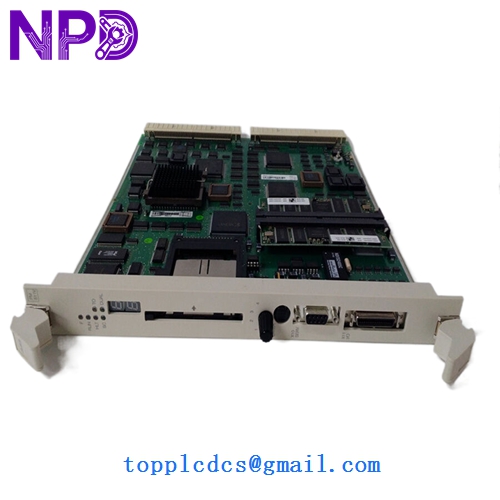
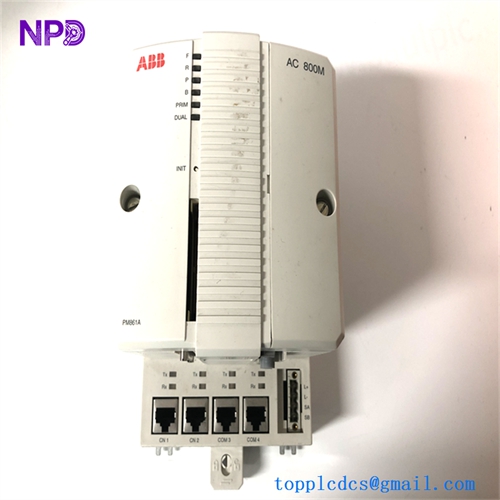
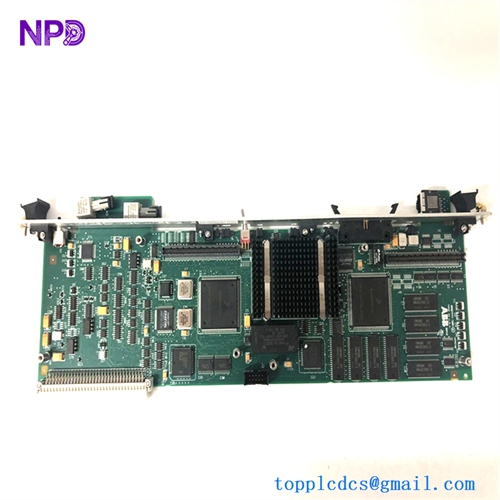
ABB PM511V16 3BSE011181R1
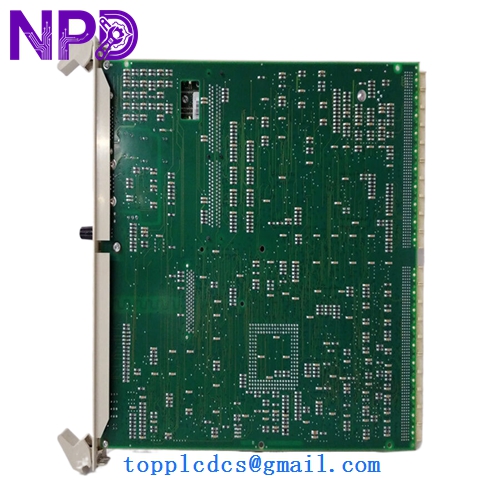
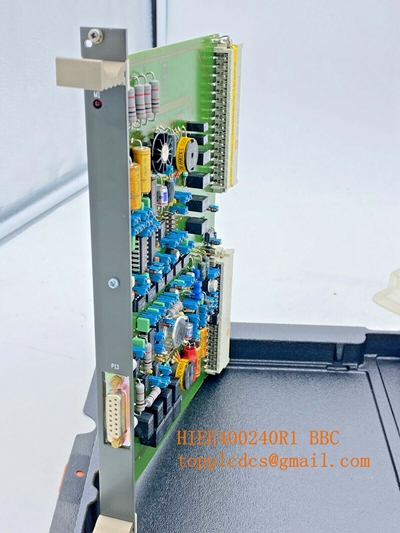
ABB PM511V16 3BSE011181R1
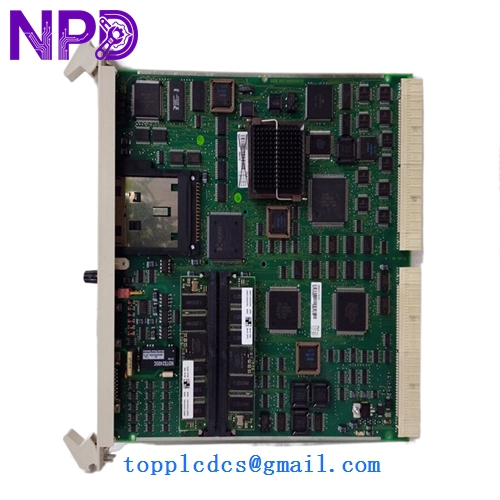
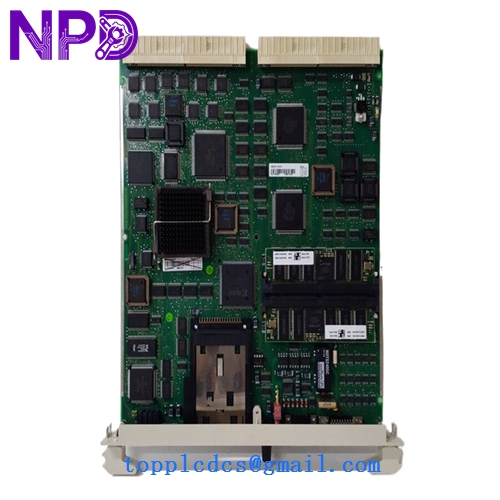
ABB PM511V16 3BSE011181R1
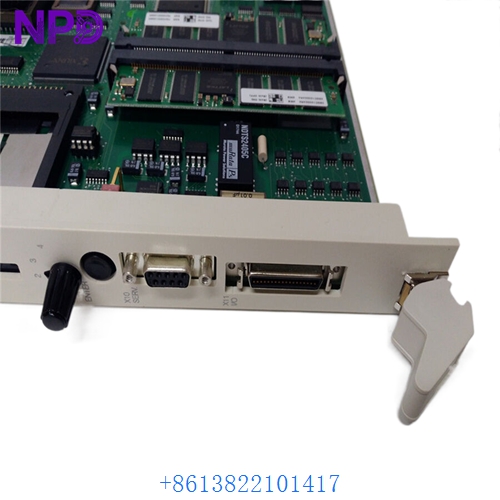
ABB PM511V16 3BSE011181R1
Installation & Configuration Guide
Phase 1: Pre-Installation (Preparation: 20 minutes)
⚠️ Critical Warning: The PM511V16 is the “brain” of the AC 450. Replacing this module in a non-redundant system will stop all process control.
- Backup Verification: Ensure you have a current dump of the system software and the user application.
- ESD Safety: Use a grounded anti-static wrist strap. The 16MB memory chips on this module are highly susceptible to static damage.
- Battery Check: Install a fresh battery on the module before installation to ensure the application program is retained upon the first power cycle.
Phase 2: Removal & Replacement (Step-by-Step)
- Power Down: If the system is not redundant, power down the rack. In redundant systems, the module can be “Hot-Swapped” following specific ABB safety procedures.
- Module Extraction: Unscrew the retaining fasteners and use the board ejectors to pull the PM511V16 out of the rack.
- Check Switch Settings: Verify the DIP switches or jumpers on the board (if applicable) match the original unit’s settings for node addressing and system parameters.
Phase 3: Commissioning
- Insertion: Slide the new 3BSE011181R1 into the slot and seat it firmly into the backplane.
- Power-Up: Observe the “RUN” and “FAULT” LEDs.
- Software Loading:
- Connect the engineering station (e.g., Advant Station 100 series).
- Load the system software (System Boot) followed by the application program.
- Verify that the CPU transitions to “RUN” mode and the “OK” LED is solid.
Customer Cases & Industry Applications
Case 1: Recovering a Petrochemical Refinery Control Node A refinery’s AC 450 controller experienced “Memory Parity Errors,” leading to intermittent processor halts. The original PM511V16 was failing due to aging components. We provided a New Surplus 3BSE011181R1 via priority air freight. The module was swapped and the application reloaded within 24 hours, restoring full control stability and preventing a plant-wide emergency shutdown.
Case 2: Redundancy Restoration in a Power Plant A thermal power station was running in a “degraded” state because the standby PM511 processor had failed. While the plant was still running on the master CPU, they were one failure away from a total blackout. By sourcing our New Surplus inventory, the facility restored its dual-redundant configuration, ensuring the high-availability safety required for grid-synchronized generation.
Frequently Asked Questions (FAQ)
Q: Can a PM511V16 replace a PM511V08 (8MB)? A: Yes, generally. The V16 offers more memory than the V08. However, you must ensure the system software (firmware) version supports the higher memory capacity and that your backup project is compatible.
Q: What is the lifespan of the backup battery on this module? A: Typically 1–3 years depending on the environmental temperature. We recommend replacing the battery every 2 years during scheduled maintenance to prevent data loss.
Q: Why choose “New Surplus” over “Refurbished”? A: For a master controller, reliability is non-negotiable. Refurbished modules have already been “heat-soaked” for years, which weakens the solder joints of the BGA chips. New Surplus units provide original factory longevity and electrical integrity for your most critical control node.