
Description
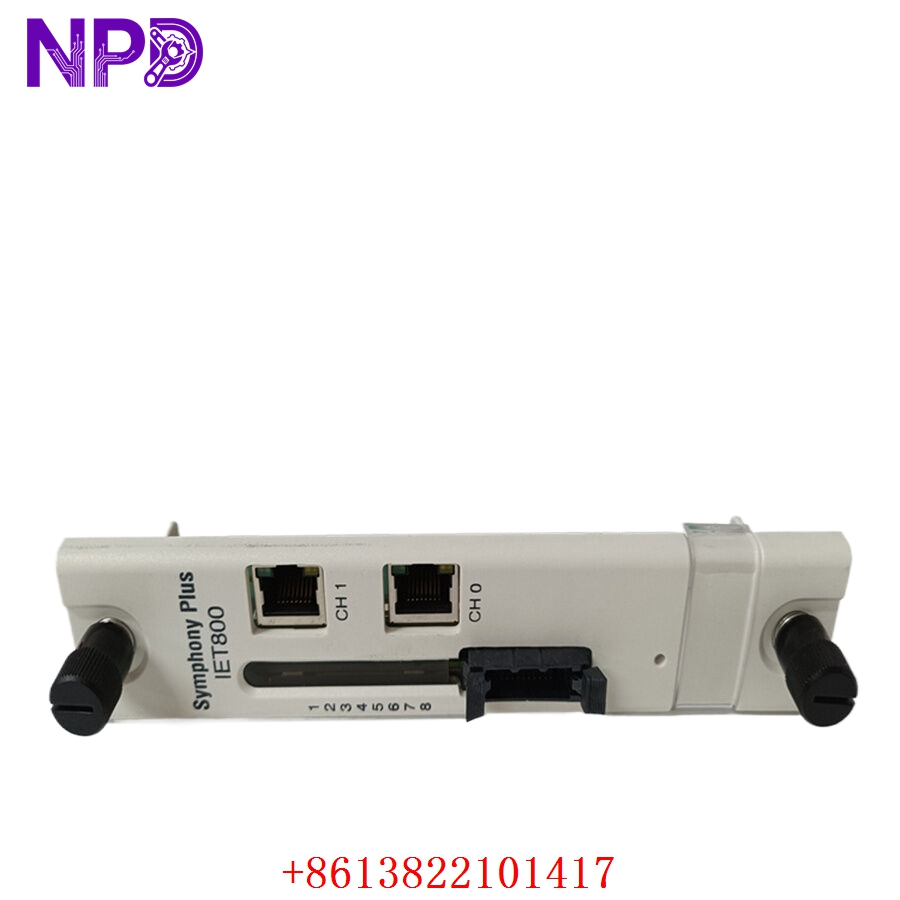
Model: SPIET800
· Brand: ABB (formerly Bailey Controls)
· Series: INFI 90 / Symphony / Harmony Series
· Core Function: ⚙️ Provides field signal termination and fault protection for high-density I/O loops
· Product Type: 📟 Field Termination Unit (FTU)
· Key Specs: 🛠️ High-density modular terminal block, surge protection, signal conditioning
- Module Type: Field Termination Unit (FTU) / Terminal Board
- Compatibility: Integrates with INFI 90 / Symphony Harmony I/O modules (High-density configurations)
- Functionality: Interfaces field signals (sensors, transmitters, actuators) directly to the controller I/O subsystem
- Protection: Integrated surge suppression and loop fusing to protect sensitive I/O cards
- Mounting: Cabinet-mounted, DIN rail or rack mountable
- Wiring: High-density screw terminal connectivity for efficient field device installation
- Environment: Conformal coated to resist industrial moisture, dust, and corrosive gases
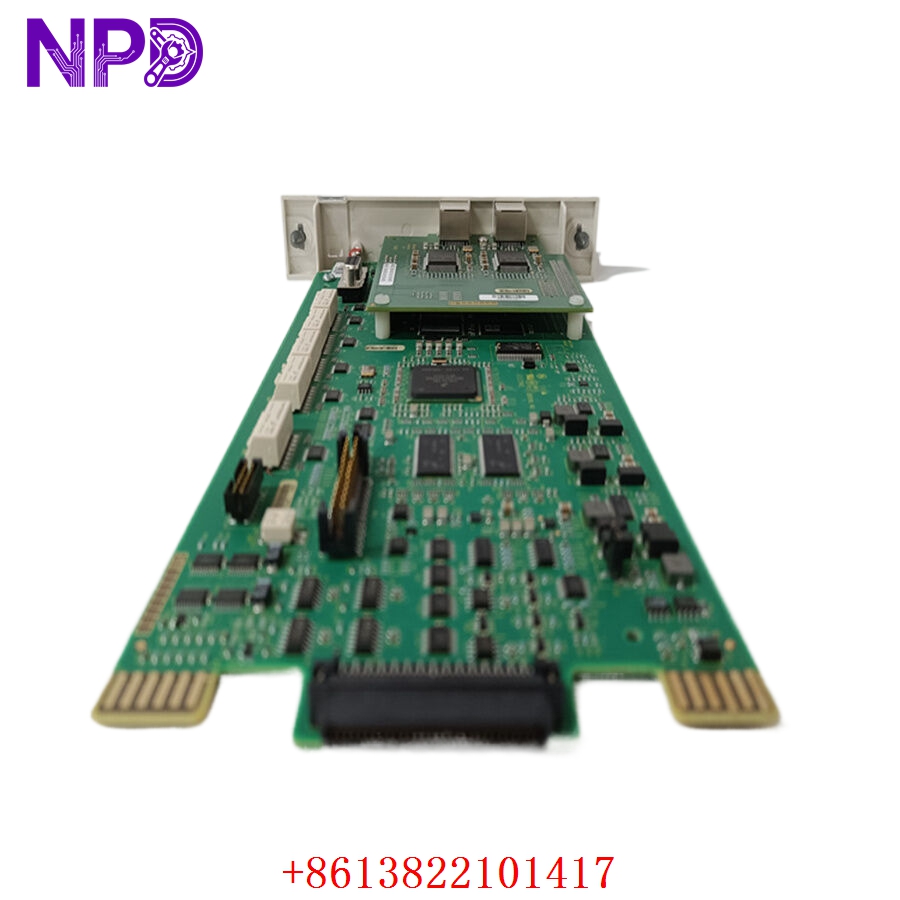
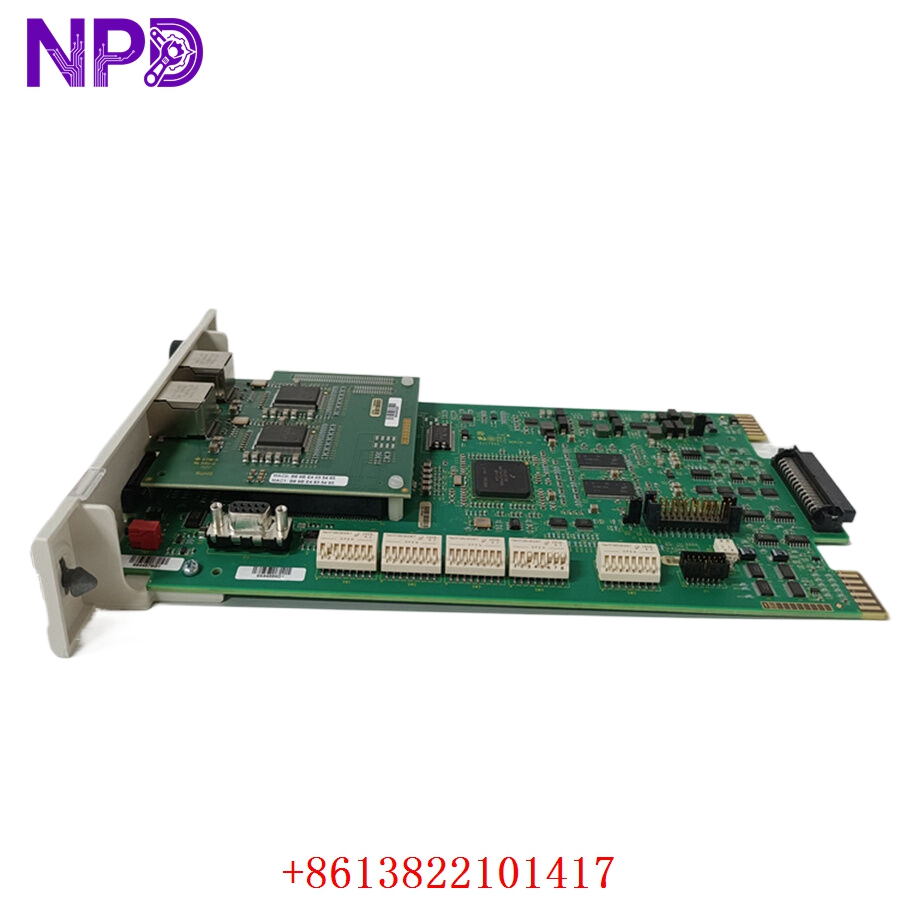
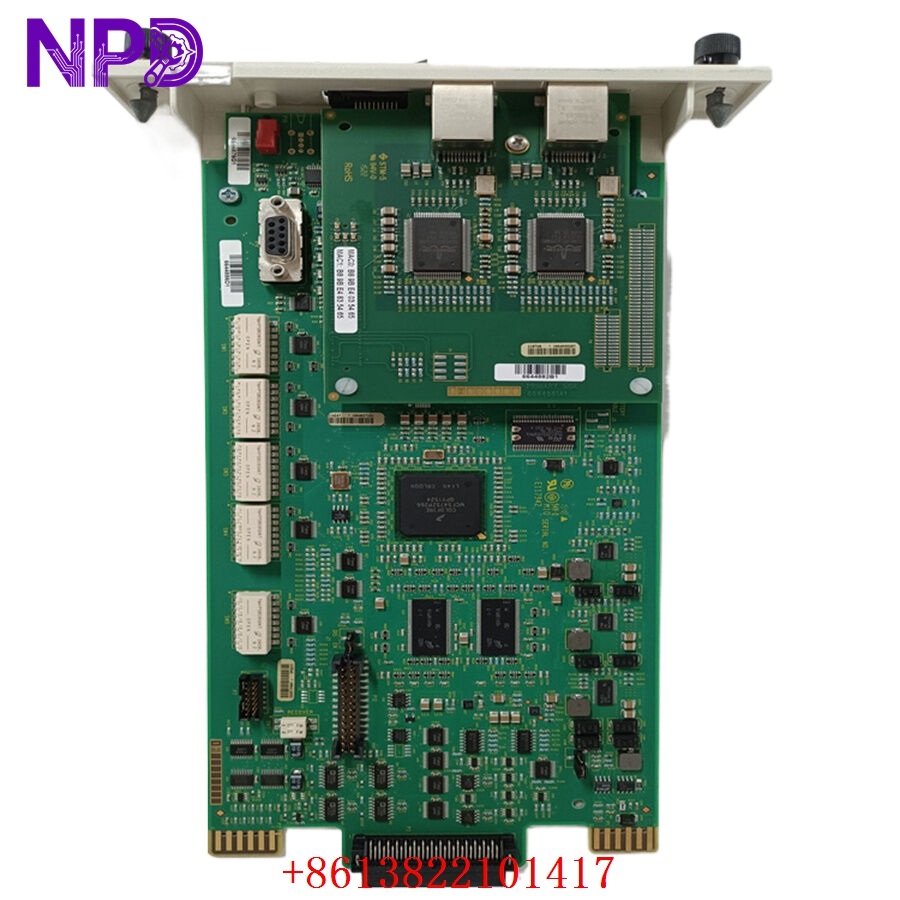
Application Scenarios & Engineering Insights
The SPIET800 serves as a vital signal interface board in Bailey INFI 90 and Symphony Harmony architectures. It is essentially the “wiring hub” that connects the messy reality of field wiring to the sensitive electronics of your DCS. A common “pain point” I see with these units is terminal oxidation. Since these boards are often located in remote cabinets (which may not always have perfectly climate-controlled air), humidity leads to microscopic oxide layers on the screw terminals, resulting in high-resistance connections that cause analog signals (like 4-20mA) to “drift” or fluctuate.
Typical Use Cases:
- Utilities – Power Generation
Connecting mass inputs from thermocouple and RTD sensors to the DCS in turbine control cabinets.
- Manufacturing – Batch Control
Handling thousands of digital and analog signals for complex production sequences.
- Water Treatment – Distributed I/O
Serving as the termination point for field transmitters spread across large pump stations.
Troubleshooting Pro-Tip:
When you suspect a channel failure on this board, do not automatically replace the SPIET800. Use a precision multimeter to perform a loop resistance check from the field device all the way through the SPIET800 to the I/O card connector. Often, simply re-seating the cable ribbon or cleaning the connector with a specialized electronic contact cleaner restores communication perfectly.
Compatible Replacement Models
| Original Model | Replacement | Compatibility | Difference |
| SPIET800 | SPIET800 | ✅ Direct | Identical form/fit/function |
| SPIET800 | SPIET800 (Revision) | ✅ Direct | Newer manufacturing date (identical specs) |
| SPIET800 | Generic Terminal Block | ❌ Impossible | Lacks system-specific cabling/pinout |
Note: Since the SPIET800 is engineered specifically for the Bailey/ABB proprietary I/O ribbon cable interface, there is no generic equivalent. It is a “closed-loop” part that requires exact hardware matching.
Troubleshooting Quick Reference
| Symptom | Probable Cause | Action |
| Analog Signal Drift | Terminal corrosion | Clean and re-tighten field connections |
| “Dead” Channel | Blown fuse on board | Inspect individual loop fuses on the SPIET800 |
| Intermittent Signal | Ribbon cable seating | Unplug and firmly re-seat the I/O ribbon cable |
| Ground Fault Alarm | Cable insulation breakdown | Test field wiring with a megger (insulation tester) |
Safety Warning: Always ensure the I/O card is de-energized or the channel is put in “Maintenance Mode” (if the software supports it) before removing the ribbon cable from the SPIET800. Pulling the cable while the DCS is actively reading the signals can cause the controller to interpret the resulting noise as an emergency fault, triggering a plant trip.