Description
- Model: AL81G
- Brand: AcquisitionLogic
- Series: AL8000 High-Speed Data Acquisition Series
- Core Function: High-precision analog-to-digital signal conversion for distributed systems
- Type: Data Acquisition Module
- Key Specs: 16-bit resolution, 8 differential inputs, ±10 V input range
- Input Channels: 8 differential voltage inputs
- Input Voltage Range: ±10 V DC
- A/D Resolution: 16-bit
- Sampling Rate: 10 kHz per channel
- Power Supply: 24 V DC (±10%)
- Communication Protocol: Modbus RTU (RS-485)
- Baud Rate: 9.6 kbps – 115.2 kbps
- Isolation: 1,500 V RMS (input to power)
- Operating Temperature: -20°C to +70°C
- Mounting: DIN 35 mm rail
- IP Rating: IP20
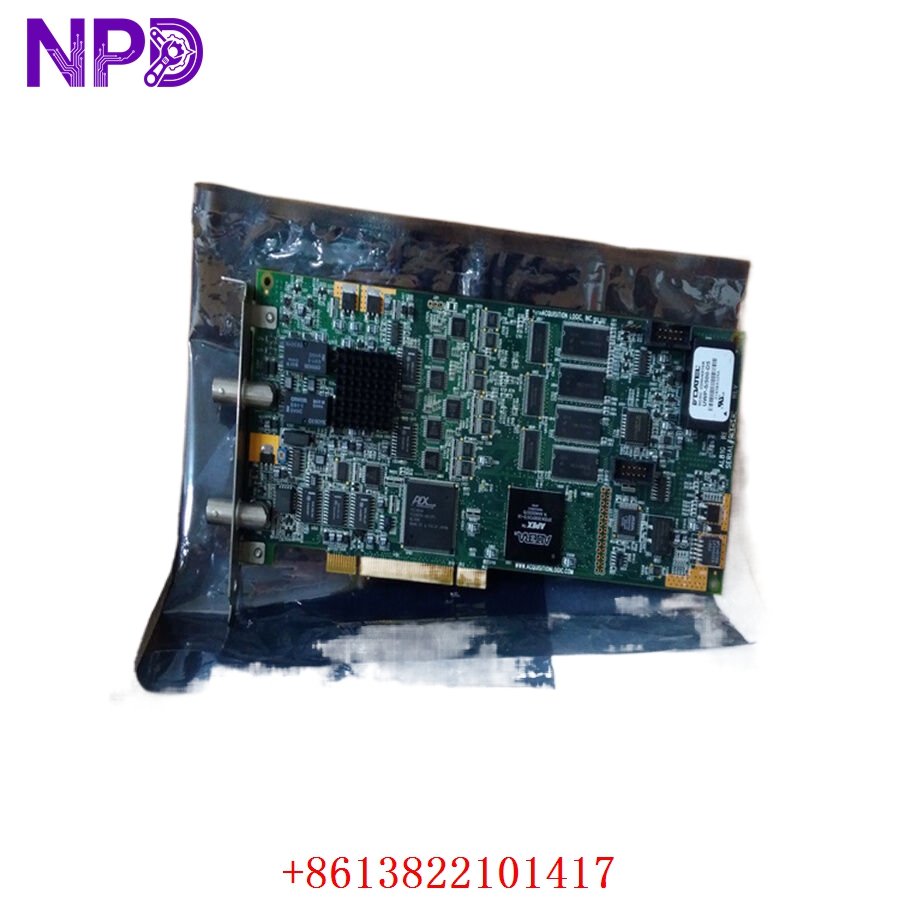
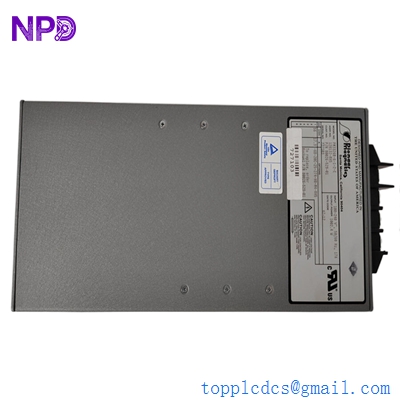
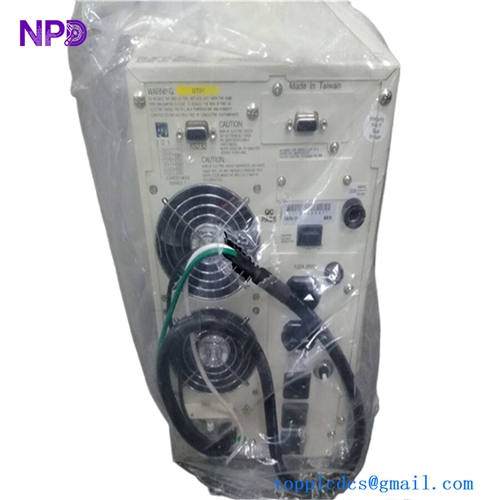
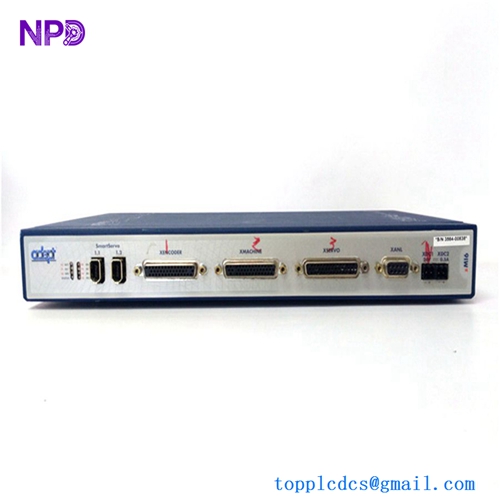
ACQUISITIONLOGIC AL81G
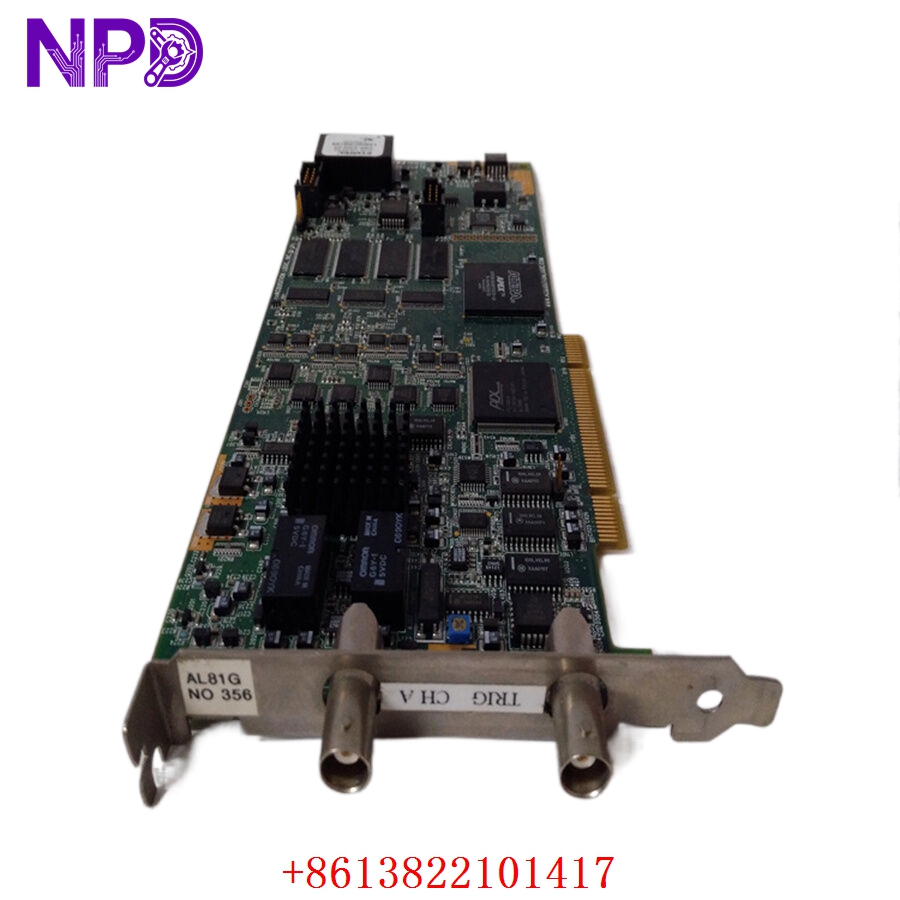
ACQUISITIONLOGIC AL81G
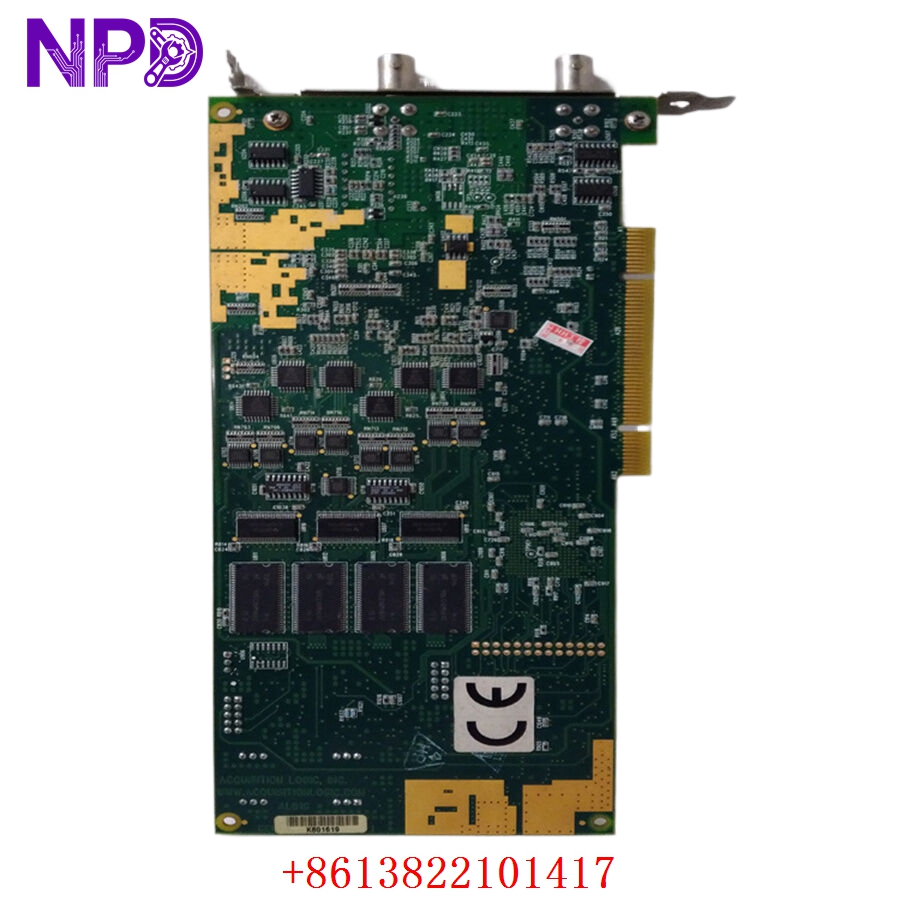
ACQUISITIONLOGIC AL81G
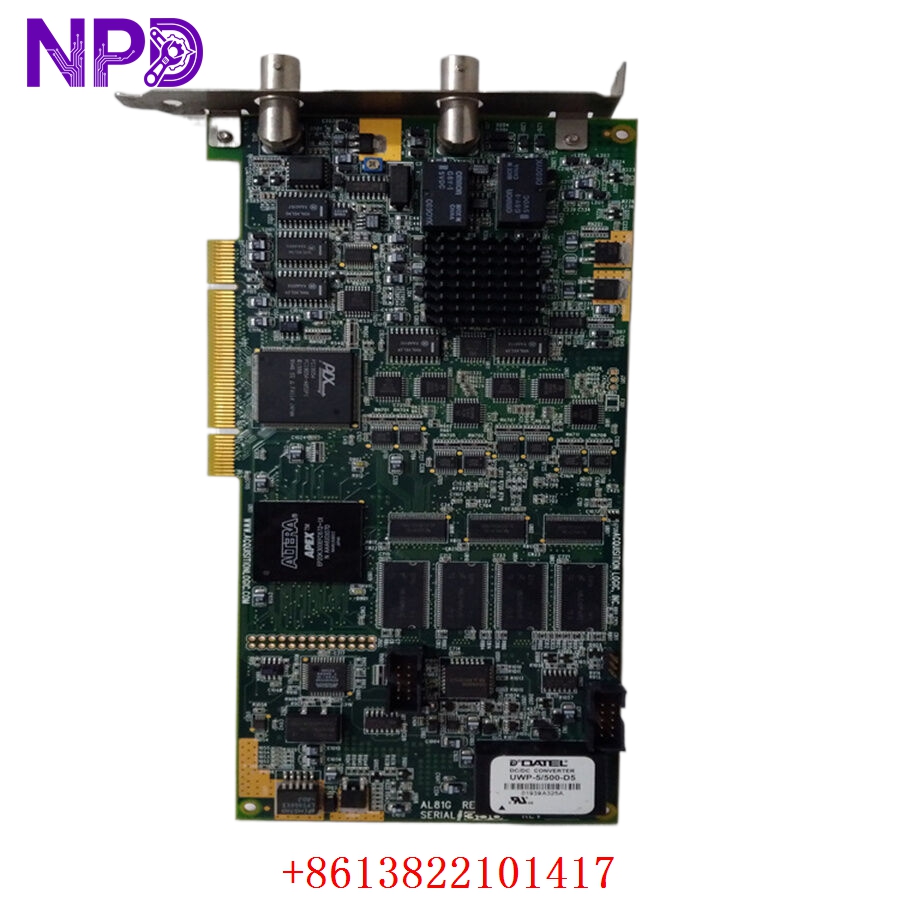
ACQUISITIONLOGIC AL81G
Application Scenarios & Pain Points
Honestly, in multi-channel sensor systems, the biggest headaches are signal drift and noise. If the AL81G module lacks sufficient interference rejection, your backend software receives nothing but noise. Many engineers working on brownfield upgrades have used “cheap” substitutes, only to find that every time a nearby motor starts, the analog readings spike and trip the entire system.
Typical Application Scenarios:
- Automated Assembly Lines: Monitoring cylinder pressure and displacement sensor signals; high sampling rates ensure complete process waveform logging.
- Laboratory Test Benches: Capturing millivolt-level fluctuations during R&D testing where 16-bit resolution is non-negotiable.
- Environmental Monitoring: Connecting various pressure or humidity sensors via RS-485 to a centralized SCADA system.
Case Study: Emergency Repair at a Large Electronic Factory
Background: A production testing rig in East China reported intermittent channel failures, causing high scrap rates for finished products.
Problem: Upon investigation, the module was located too close to a high-power Variable Frequency Drive (VFD). The original module lacked proper shielding, causing common-mode interference.
Solution: We replaced the unit with the AL81G, which features superior differential interference rejection, and helped the customer re-terminate the shielding with proper single-end grounding.
Results: The system stabilized immediately. The customer saved roughly $400 USD daily in avoided scrap. As the lead tech put it: “Once we installed these, we stopped having to babysit the signal data.”
Compatible Replacement Models
| Original Model | Replacement Model | Compatibility | Key Difference | Cost Impact |
| AL81G | AL81G-A | ✅ Drop-in | Enhanced EMC version | +15% |
| AL81G | AL82G | ⚠️ Software Config | Adds 4-20mA current input | +20% |
| AL81G | Generic Modbus | ❌ Incompatible | Wiring/Address mismatch | N/A (High risk) |
Recommendation: If your current system is running smoothly with the AL81G, stick with it. If the original is out of stock, the AL81G-A is the safest direct path.
Troubleshooting Quick Reference
| Symptom | Probable Cause | Module Correlation | Quick Check |
| PWR LED Off | Power failure | ❌ Low | Use a Fluke 115 to measure 24 V at the terminals. |
| ERR LED Slow Flash | Sampling Overflow | ⚠️ Medium | Check if input signal exceeds ±10 V or has a short circuit. |
| Comm Timeout | Baud rate mismatch | ⚠️ Medium | Verify DIP switch settings against the master configuration. |
| Erratic Readings | Ground loop/Interference | ✅ High | Ensure shielding is grounded at one end only; check ground resistance. |
| Module Not Found | Address conflict | ⚠️ Medium | Check the bus for duplicate Modbus IDs. |
Pro Tips from the Field:
- Take Photos! Always snap a picture of the DIP switch configuration on the old module before pulling it. It’s the easiest way to avoid a 2-hour “why isn’t this talking to the PLC” nightmare.
- ESD Protection: Even if these aren’t high-end processors, a static discharge in dry winter conditions can fry the input channel. Use an ESD strap. I once saw an engineer blow a $2,000 module just by touching the terminals with a charged finger.
If these steps don’t resolve the issue, send me a video of the LED status and a screenshot of your diagnostic buffer. Our team can usually pin down the issue within a couple of hours.