
Description
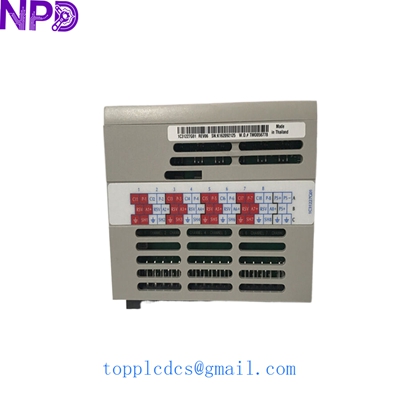
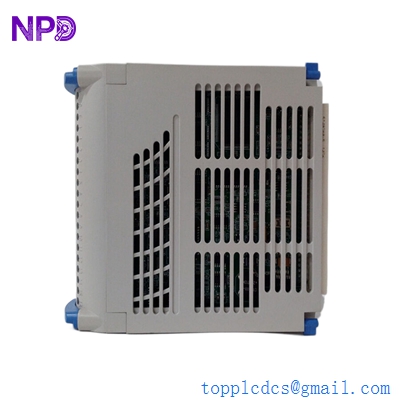
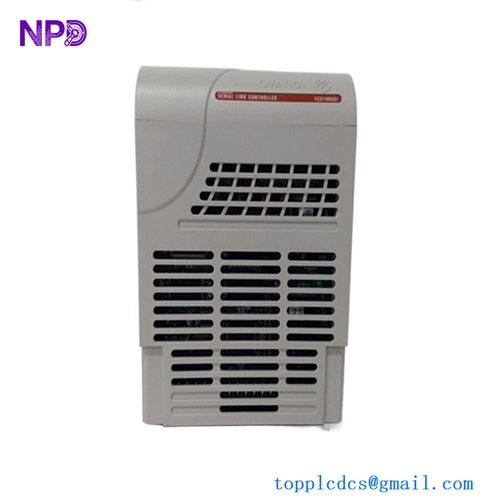
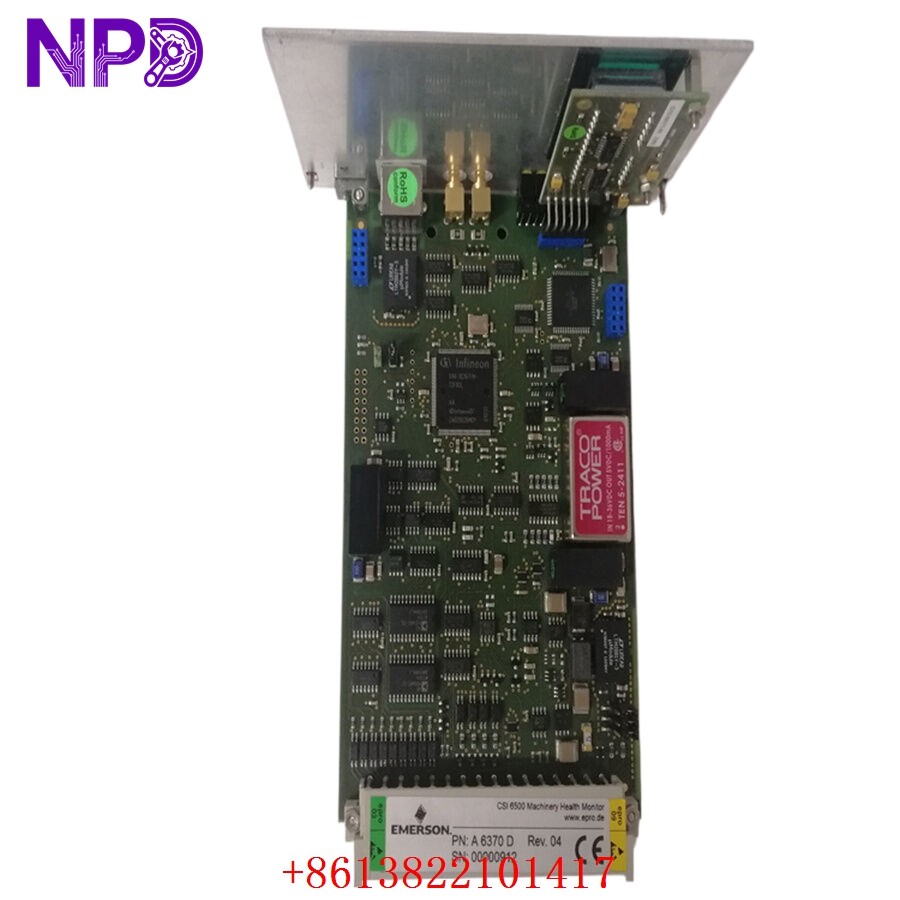
- Model: A6370D
- Brand: Emerson (EPRO / AMS 6300 Series)
- Series: AMS 6300 Safety Instrumented System (SIS)
- Core Function: High-speed overspeed protection and rotational direction monitoring with a built-in local display screen.
- Type: Speed Monitoring Module / Over-speed Protection Card
- Key Specs: 16-bit resolution, 0 to 20 kHz range, SIL 3 rated, 12.5 ms response time
- Safety Integrity Level: SIL 3 certified for overspeed protection; SIL 2 for rotation direction detection (IEC 61508:2010)
- Standards Compliance: Fully compliant with API 670 machinery protection specifications
- Frequency Range: 0 Hz to 20 kHz handling capability
- Response/Reaction Time: 12.5 ms in automatic mode (evaluated at 3,000 min−1)
- Sensor Inputs: Compatible with Eddy Current (Proximity), Hall Effect, and Magnetic (VR) Sensors (0 V to 26 V range)
- Analog Outputs: 2x Electrically isolated outputs (0/4 to 20 mA or 20 to 4/0 mA)
- Digital Outputs: 7x Short-circuit proof outputs via backplane interface
- Pulse Outputs: 3x Open-collector outputs (backplane), 1x TTL signal (0 to 5 V) via front panel
- Conformal Coating: ISA-S71.04-1985 Class G3 resistance for corrosive environmental protection
- Form Factor: Standard Euro-format board (100 mm×160 mm), 3RU height, 14HP width
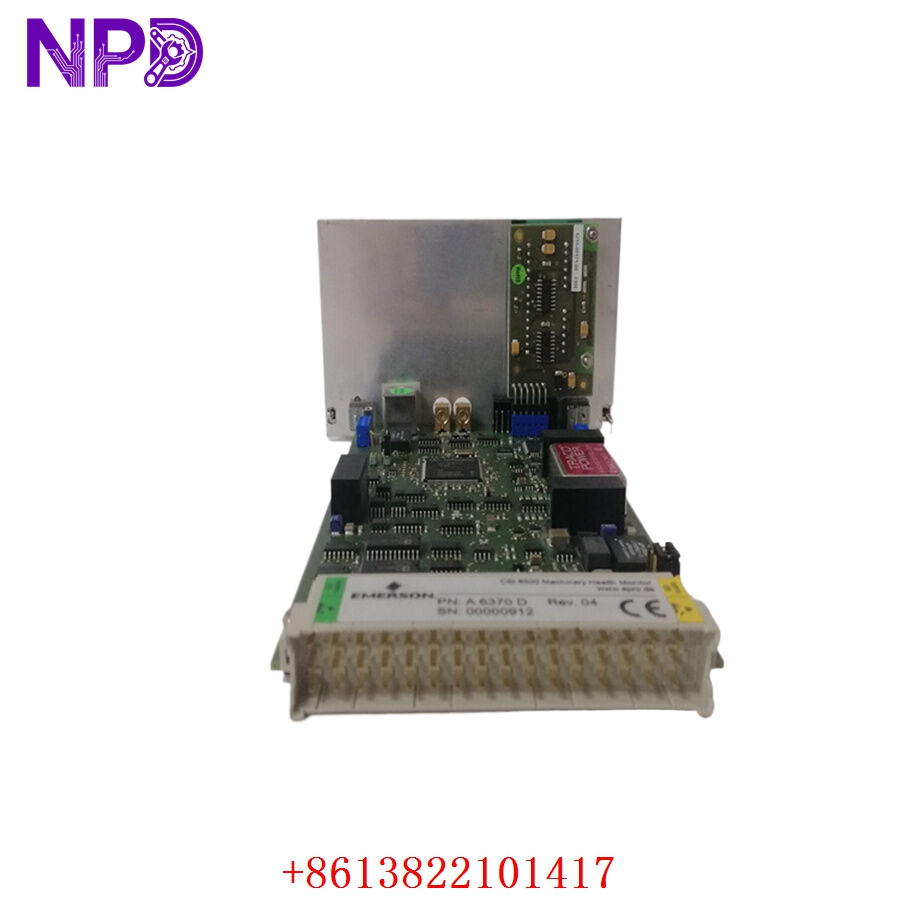
EMERSON A6370D
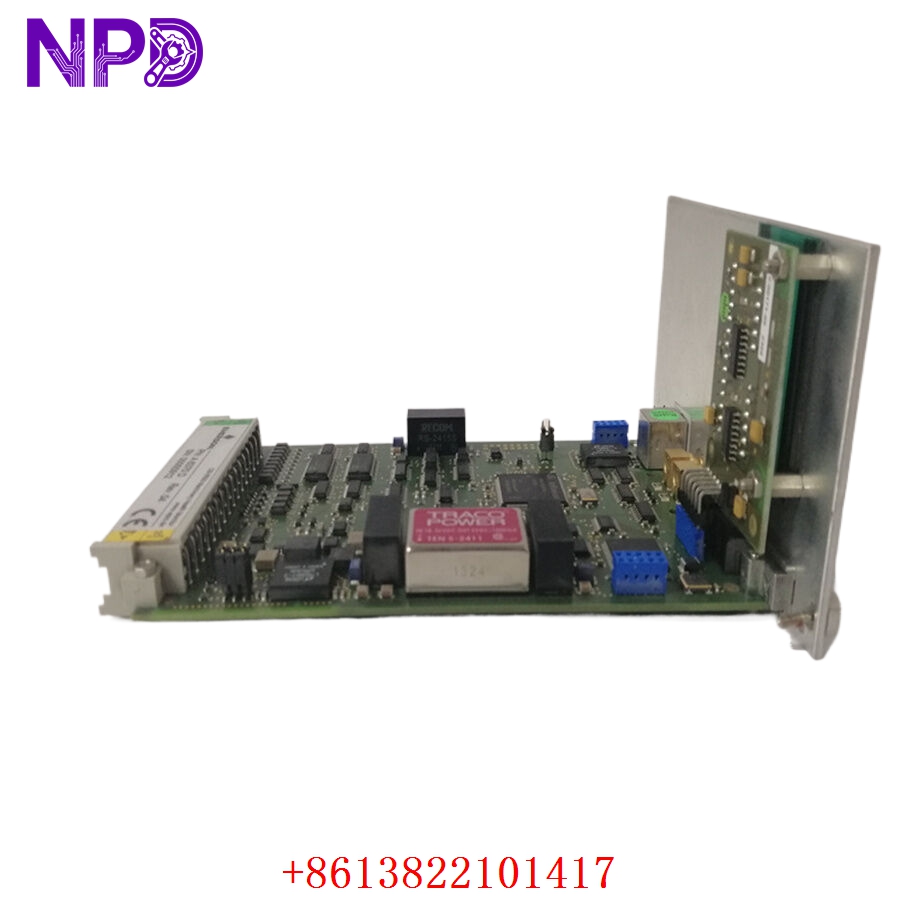
EMERSON A6370D
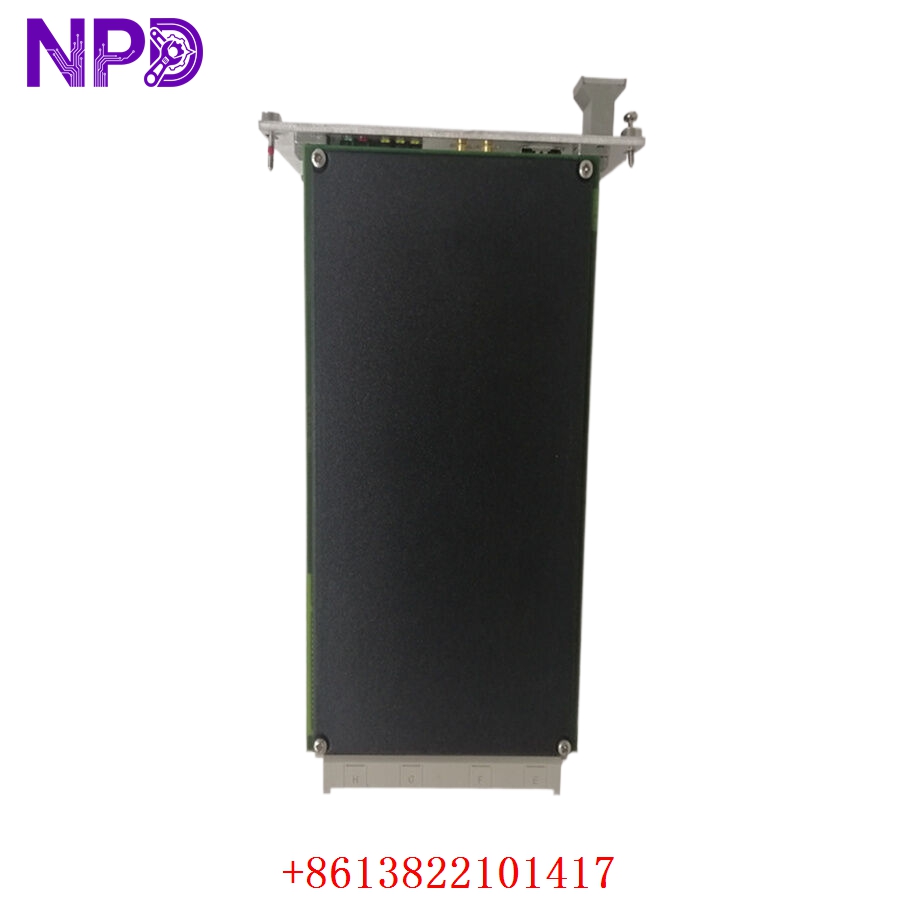
EMERSON A6370D
Application Scenarios & Targeted Keywords
Targeted SEO Keywords: Emerson A6370D, EPRO speed monitor, AMS 6300 SIS card, API 670 overspeed protection, turbine speed sensor card, industrial overspeed monitor, SIL 3 speed protection module.
When dealing with a multi-megawatt steam turbine or a high-speed turbo-compressor, overspeed isn’t just an error code—it’s a catastrophic mechanical risk. If your speed monitoring module suffers from signal lag or processor lockup, a runaway turbine can disintegrate in fractions of a second. That is why critical industrial operations rely on the Emerson A6370D. Unlike standard PLC cards that introduce software scan-time delays, this dedicated hardware monitor processes raw sensor inputs and trips within 12.5 ms, isolating the machine safely before it exceeds critical structural limits.
Typical Application Scenarios:
- Power Generation Steam Turbines: Deployed in triplicated (2oo3 voting) configurations to monitor shaft rpm, preventing runaway conditions if grid load is suddenly lost.
- Petrochemical Turbo-Compressors: Real-time overspeed protection coupled with rotational direction detection to prevent hazardous reverse-rotation damage caused by process gas backflow.
- Large-Scale Industrial Fans & Blowers: Providing critical safety shutdowns in high-vibration, high-temperature processing zones.
Case Study: Defeating Nuisance Trips at a South China Petrochemical Plant
Background: A major ethylene plant was plagued by intermittent “Speed Sensor Fault” alarms on their primary compressor train, resulting in two costly un-scheduled trips over a single quarter. Problem: The existing third-party cards were highly sensitive to high-frequency electromagnetic interference (EMI) coming from a newly installed variable frequency drive (VFD) nearby. Solution: We supplied three matching A6370D modules from our inventory. Before delivery, our team executed a rigorous 24-hour load test on our dedicated testing rack, verifying isolation barriers up to 1,500 V RMS and checking configuration stability via the front-panel USB port. The onsite engineering team swapped the cards and utilized the built-in front-panel display to tune the sensor trigger thresholds. Results: The advanced differential input filtering of the A6370D completely rejected the VFD noise. The plant achieved over 18 months of uninterrupted runtime, saving an estimated $85,000 USD in avoided downtime.
Technical Pitfalls & Field Installation Guide
If you are a commissioning engineer installing the A6370D for the first time, keep these crucial implementation details in mind to avoid common commissioning snags:
1. The Sensor Configuration Trap
The module supports passive magnetic pickups (which generate their own AC voltage) as well as active proximity probes (which require external power).
- The Pitfall: If you connect a passive variable reluctance (VR) sensor while the module is still set to expect an active 24 V proximity probe, you run the risk of blowing the input filtering circuitry.
- The Fix: Before slotting the card into the A6371 backplane, connect your laptop via the front USB port using the AMS 6300 software. Explicitly verify that the configured sensor type matches your physical field device.
2. Diagnostic LED Breakdown
| LED Indicator | Operational Status | System Meaning | Immediate On-Site Action |
|---|---|---|---|
| OK LED (Green) | Solid On | System healthy | No action required. Module is monitoring. |
| FAIL LED (Red) | Flashing (1 Hz) | Internal hardware error | Check the diagnostic buffer for internal RAM/Flash parity errors. Replacement likely required. |
| SIG LED (Yellow) | Off with shaft turning | No raw sensor pulses found | Measure sensor air-gap distance; verify probe tip isn’t fouled with metallic debris. |
| TRIP LED (Red) | Solid On | Trip relay triggered | Speed limit has been exceeded, or a critical hardware interlock loop has broken. Check SCADA logs. |
Important Handling Notes: Always handle the A6370D utilizing an ESD wrist strap connected to the panel grounding point. The onboard micro-components are highly sensitive to static discharge. Furthermore, double-check that the backplane termination blocks are torqued properly to withstand continuous industrial machinery vibrations.
If you are experiencing configuration mismatch issues or require the official Emerson/EPRO software configuration files to match your existing plant profiles, contact our technical support team. We can provide testing videos, parameter files, and step-by-step assistance to get your asset online swiftly.