
Description
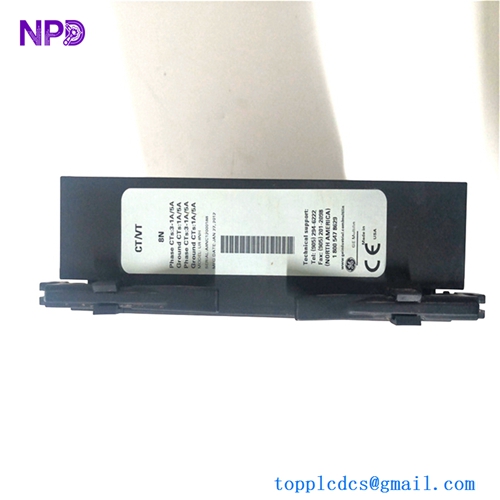
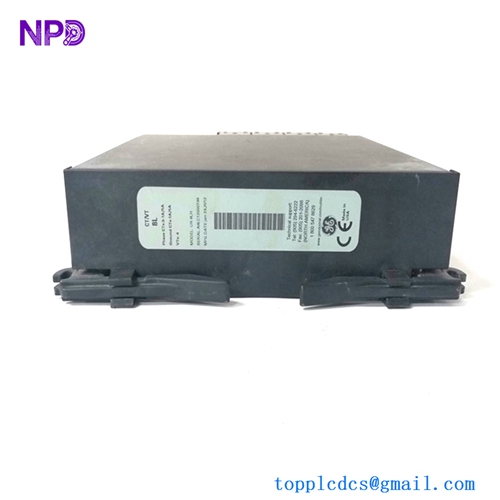
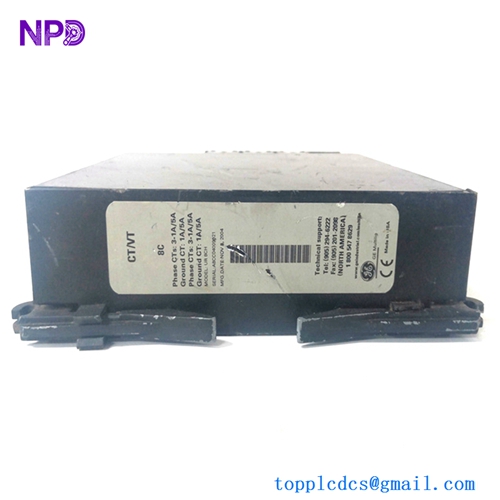
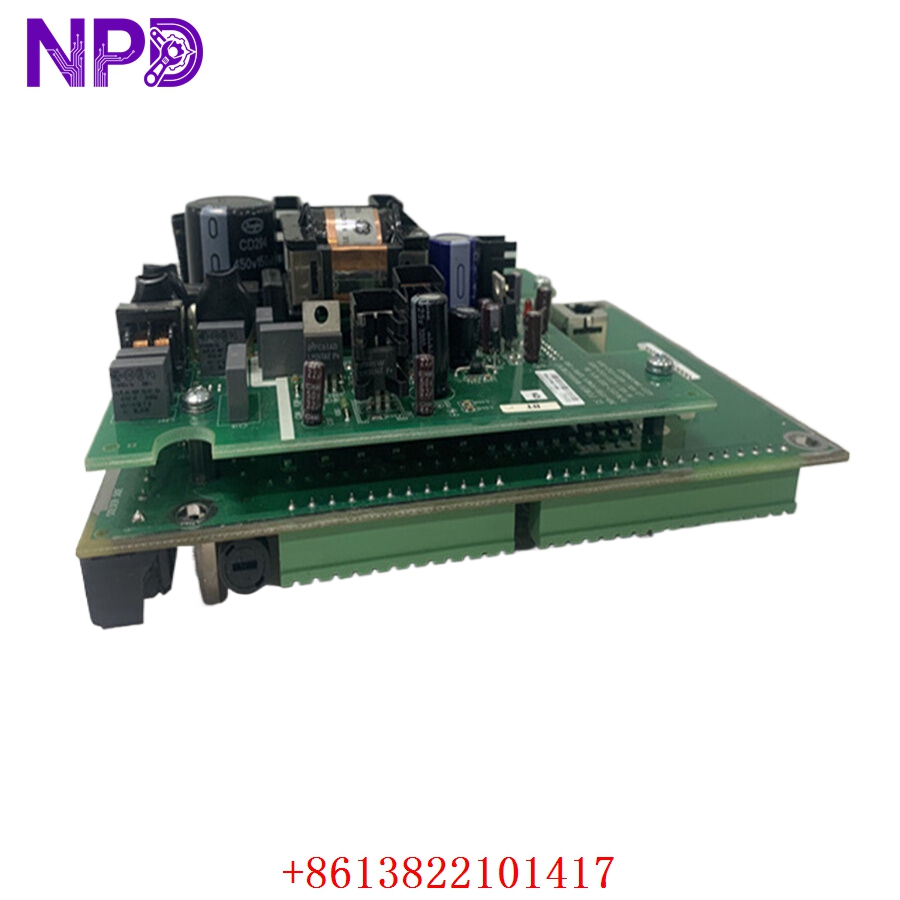
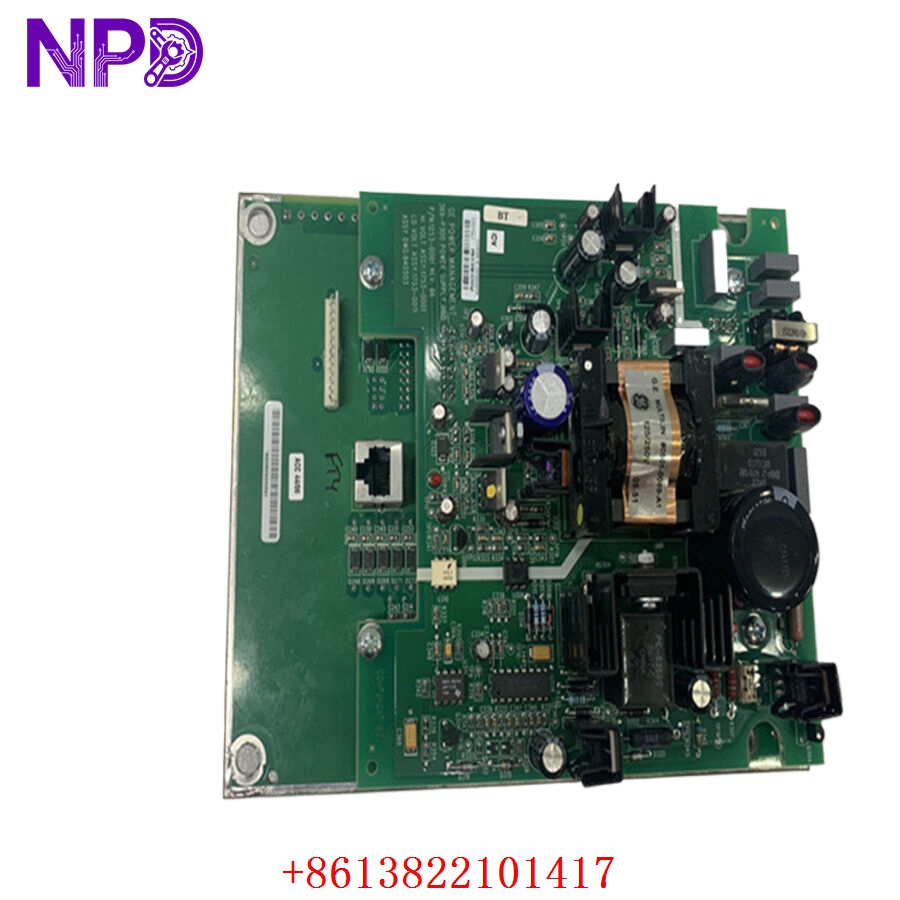
The GE 369-C100 is a high-precision digital motor management relay designed to provide advanced protection and monitoring for medium-sized industrial AC motors. As a member of the industry-standard Multilin 369 series, it utilizes sophisticated thermal modeling to safeguard motors against thermal overload, current unbalance, and various electrical faults. This unit is essential for maintaining operational continuity in critical industrial processes by providing comprehensive diagnostic data and fault reporting.
Technical Specifications
| Parameter | Detail |
| Model | 369-C100 |
| Manufacturer | General Electric (GE) |
| Device Category | Digital Motor Protection Relay |
| Control Power | 100-240 VAC / 100-300 VDC |
| Operating Temperature | -40°C to +60°C |
| Communication | RS232 (Front), RS485 (Rear) |
| Mounting | Panel/Door Mount |
| Protection Functions | Thermal Overload, Stator/Bearing RTD, Current Unbalance |
Fields of Application
The 369-C100 is widely implemented in industries such as oil and gas, chemical processing, mining, and water treatment. It is primarily used for the protection of medium-voltage and medium-sized low-voltage motors driving pumps, compressors, fans, and conveyor systems where accurate thermal protection and motor health tracking are mandatory.
Product Introduction
The 369-C100 functions as an integrated motor management system. It replaces multiple traditional discrete protective relays with a single, compact digital device. By accepting inputs from current transformers (CTs) and Resistance Temperature Detectors (RTDs), the relay builds a real-time thermal model of the motor. This allows it to predict potential failures before they result in catastrophic damage, significantly reducing maintenance costs and unexpected plant downtime.
Product Use Instructions
To install and set up the 369-C100:
- Ensure the control panel is de-energized.
- Mount the relay securely in the panel cutout using the provided mounting hardware.
- Wire the CT inputs, voltage inputs, and RTD sensors according to the terminal diagram provided in the user manual.
- Connect the power supply to the designated terminals, verifying the voltage matches the C100 rating (100-240 VAC / 100-300 VDC).
- Use the front RS232 port and GE configuration software to input the motor’s nameplate data (FLA, service factor, etc.) and configure protective setpoints.
Product Use Precautions
Do not exceed the specified control power voltage limits to avoid internal damage. Ensure that the device is grounded properly to prevent electrical noise interference with the analog sensor inputs. Always verify that current transformer ratios are programmed correctly in the settings; incorrect ratios can cause nuisance tripping or a failure to protect the motor. Ensure the protective relay is kept in a clean environment to prevent dust accumulation on the front keypad and display.
Frequently Asked Questions (Q&A)
Q: What does the “C100” suffix indicate?
A: The “C100” specifically refers to the control power supply rating (100-240 VAC / 100-300 VDC). Always verify your supply voltage before installation.
Q: Can this relay be programmed to stop the motor automatically?
A: Yes, the relay features programmable output relays that can be wired to the motor starter’s trip circuit to automatically shut down the motor when a fault is detected.
Q: How often should I test the relay settings?
A: It is recommended to verify the relay settings and perform a functional test of the trip outputs during scheduled annual maintenance or after any major changes to the motor control circuit.
Product Operation Methods
The 369-C100 operates in an autonomous monitoring state. It continuously processes incoming electrical and thermal data, displaying real-time status on its front LCD. If the relay detects a parameter exceeding the defined threshold, it logs the event in the internal non-volatile memory and triggers the programmed output relays. Operators can use the front panel interface to view real-time values, acknowledge alarms, or manually reset the device after a trip event has been addressed.