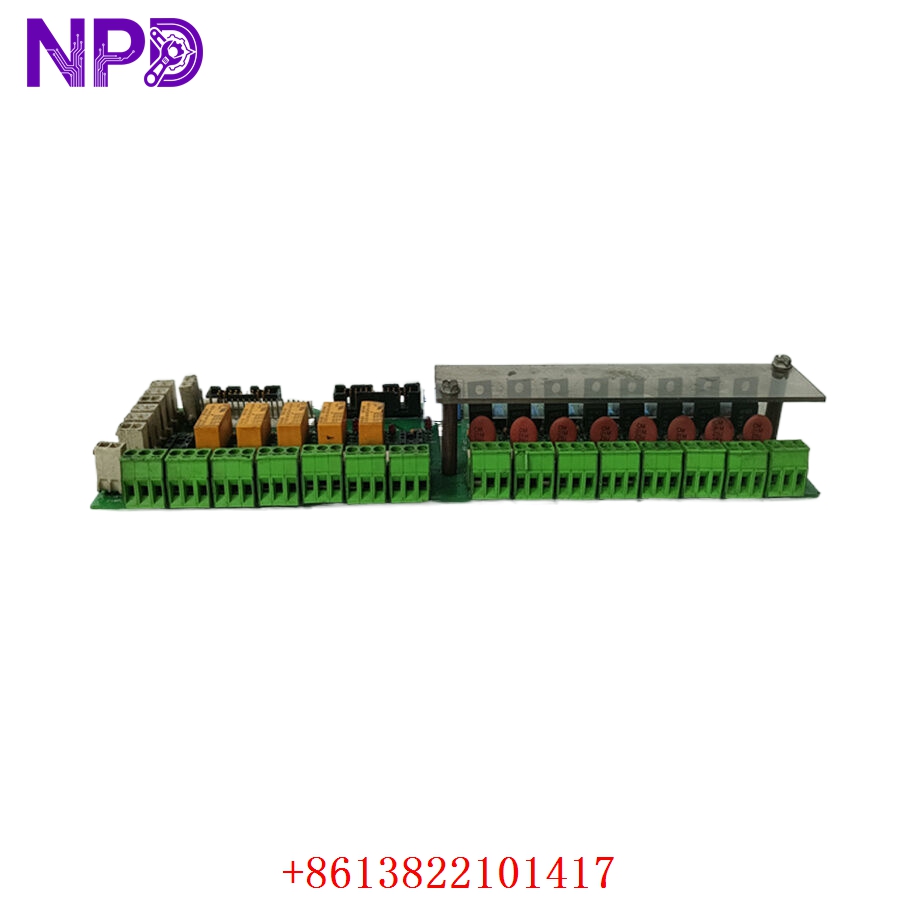

Description
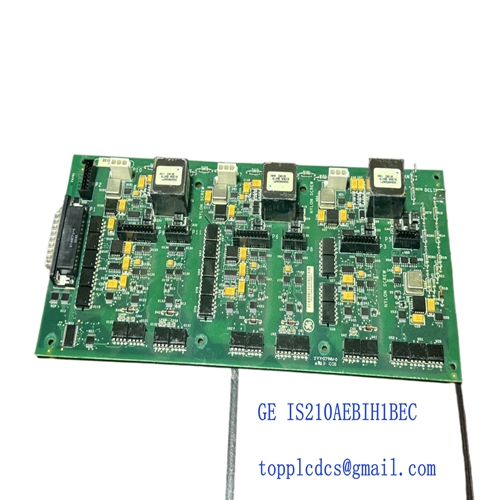
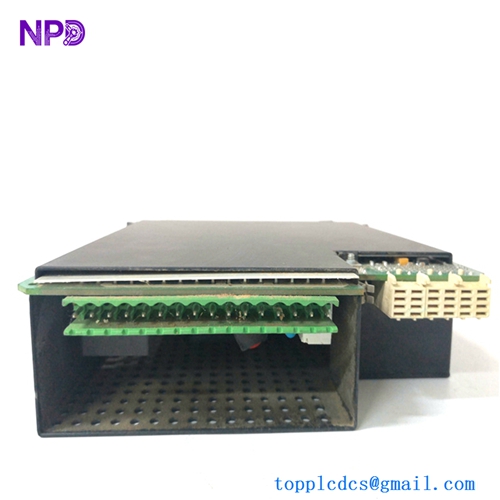
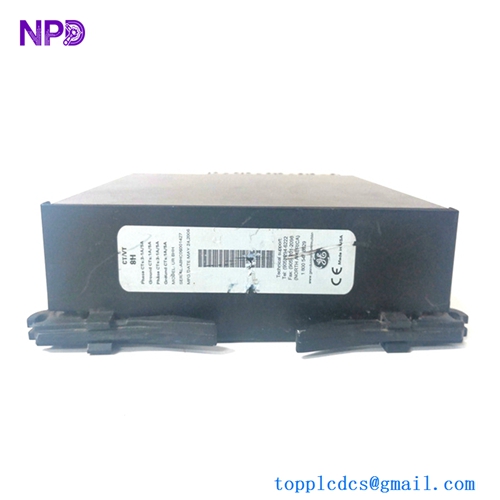
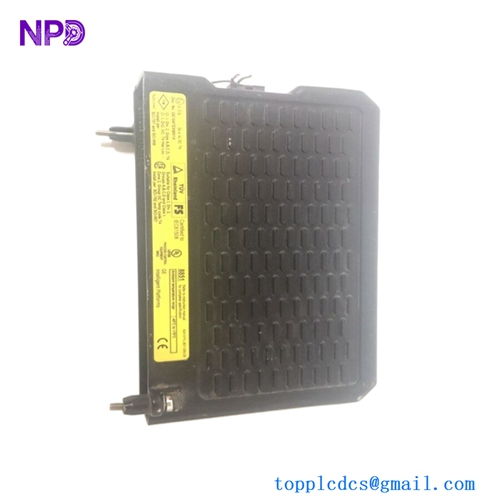
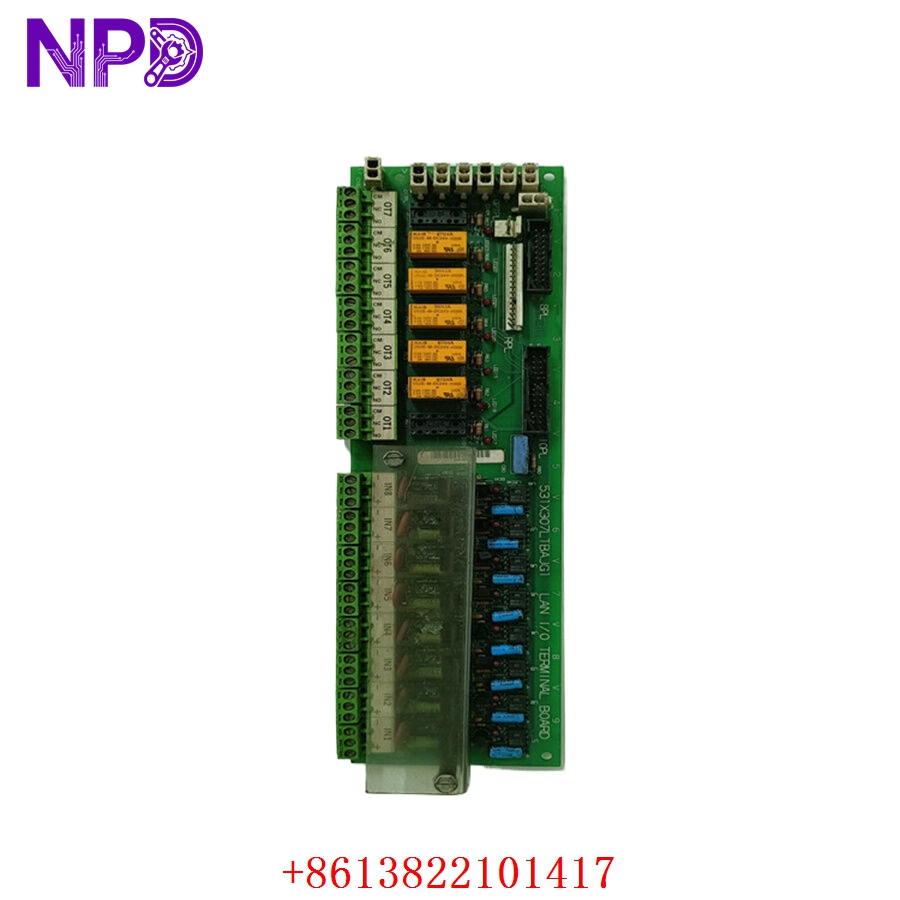
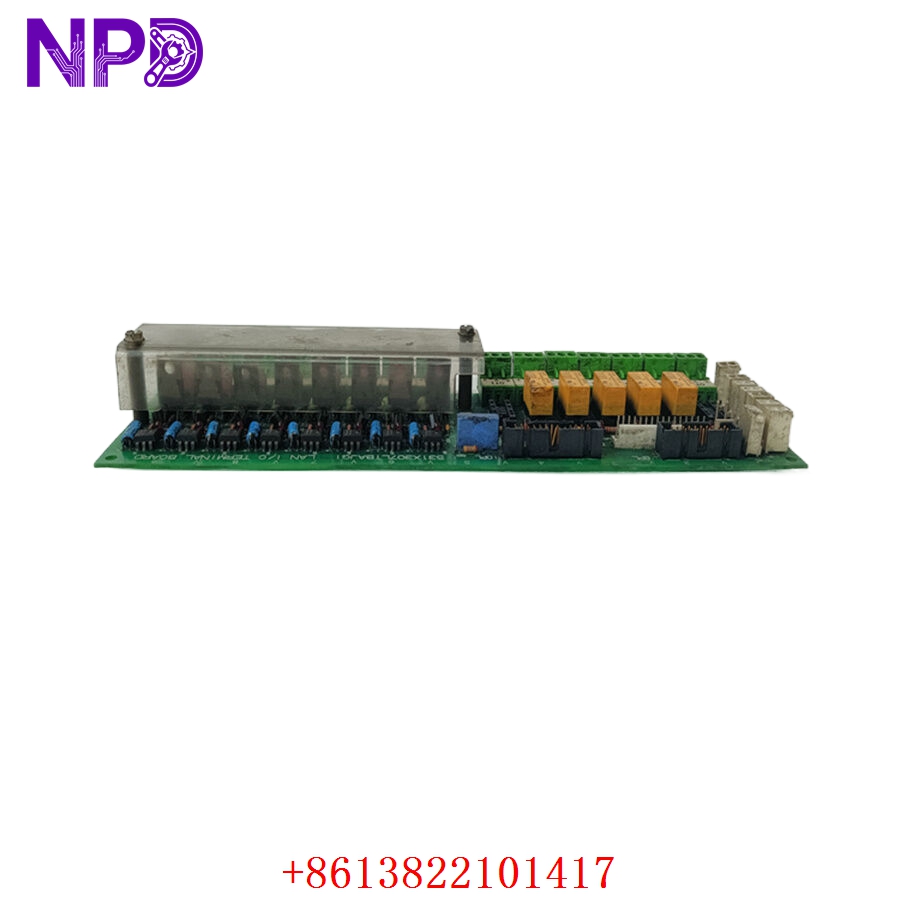
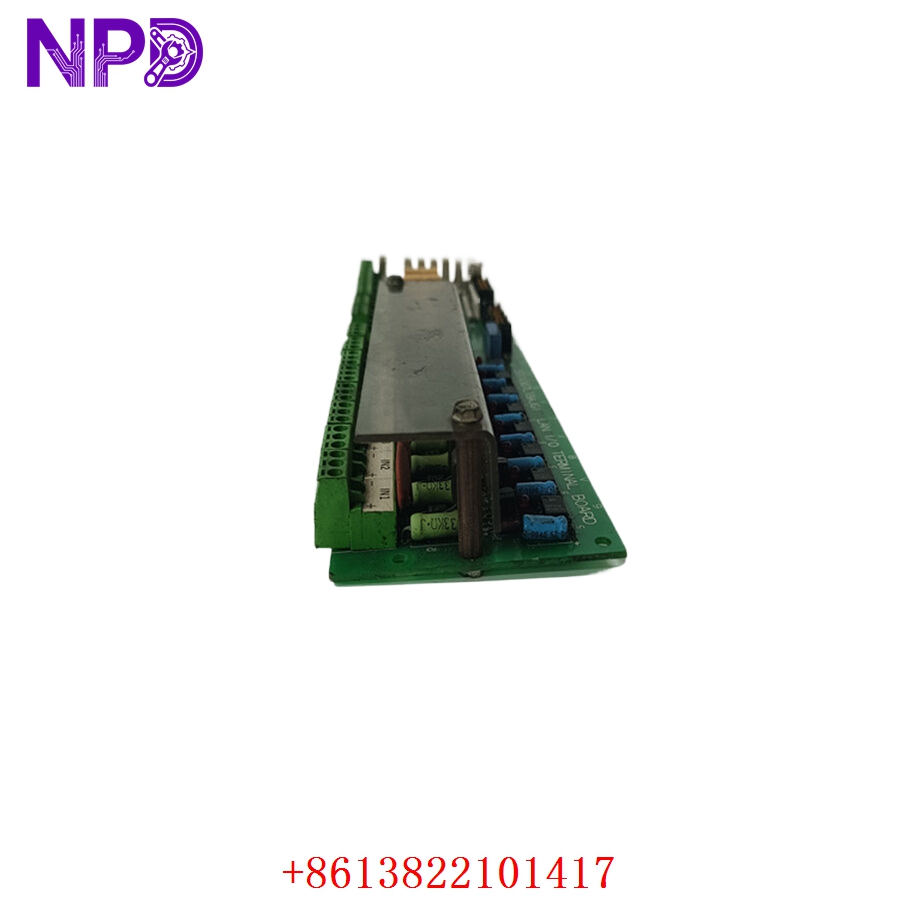
- Model: GE 531X307LTBAJG1
- Brand: GE (General Electric – USA)
- Series: Innovation Series / DDC Drive Systems Architecture
- Core Function: Local Area Network (LAN) terminal board routing high-speed DLAN network signals and providing galvanic isolation between drives
- Product Type: LTBA LAN Terminal Board / Communication Interface Module
- Key Specs: Dual DLAN Coaxial Ports | Integrated High-Voltage Signal Isolation Transformers | Plug-in Terminal Blocks
- Network Protocol: GE DLAN (Drive Local Area Network) architecture
- Physical Interface: Dual BNC coaxial ports alongside multi-pin pluggable screw terminal blocks
- Isolation Subsystem: Onboard pulse isolation transformers for high-voltage transient rejection
- Configuration Blocks: Onboard hardware jumper blocks for network node address and termination setting
- Signal Lines Interfaced: Transmit (TX), Receive (RX), and network shield lines
- Internal Interconnect: Multi-pin ribbon cable header for direct connection to the drive control card (e.g., SDCC board)
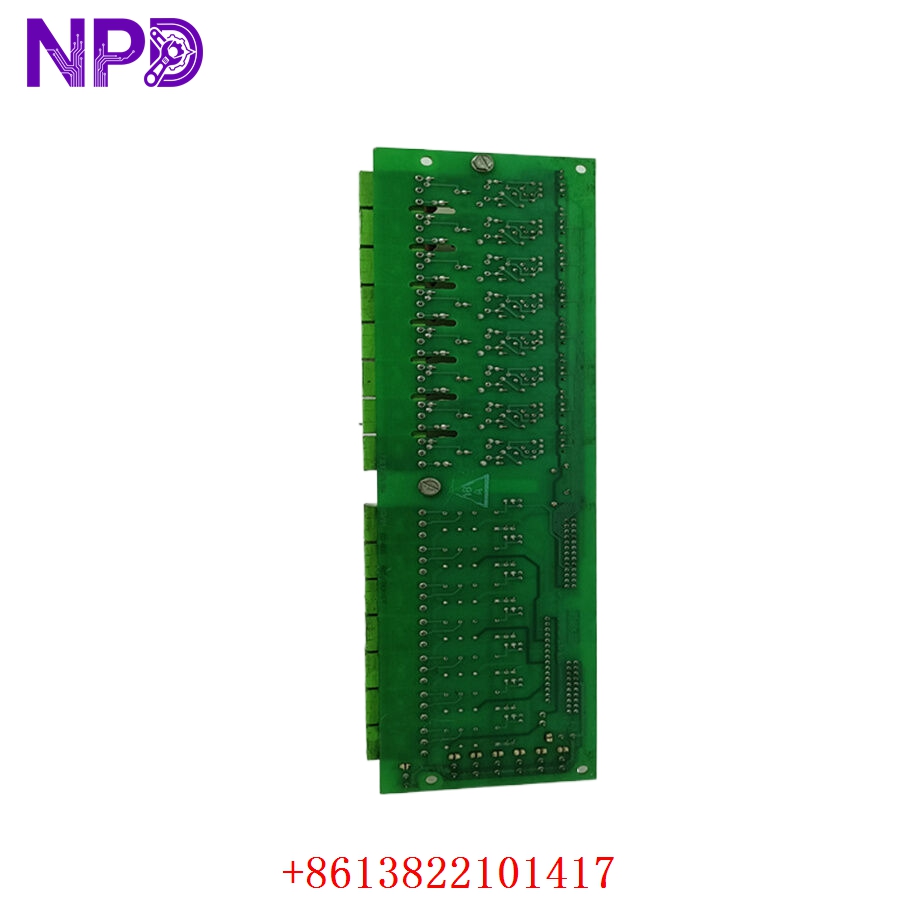
- Form Factor: Dedicated open-frame PCB layout matching specific drive chassis card-cage slots
- Wiring Compatibility: Designed to accept high-quality shielded twisted-pair or RG-6 coaxial network cabling
- Protection Circuitry: Onboard surge suppression networks safeguarding internal control microprocessors
Application Scenarios & Engineering Pitfalls
The On-Site Reality
In heavy-duty distributed automation architectures—like a paper mill run-out table or a coordinated multi-drive steel processing line—real-time peer-to-peer communication between drive systems is non-negotiable. The 531X307LTBAJG1 serves as the specialized physical interface for GE’s proprietary DLAN network. When this terminal card fails due to a lightning-induced ground potential rise or an accidental high-voltage short across network lines, the entire multi-drive network loses synchronization. Because this legacy communication infrastructure is completely unsupported by standard retail distributors, an unexpected failure can stall your whole production asset for days.
Typical Deployment Scenarios
- Metal Processing – Coordinated Wire-Drawing and Section Drive Lines
Manages high-speed, deterministic speed-matching data transfer between adjacent drive nodes to prevent product stretching or breaking.
- Paper and Pulp – Multi-Drive Sectional Control Systems
Interfaces the critical network lines that pass torque and speed references down the line of a massive paper-forming machine.
- Mining Operations – Multi-Motor Overland Conveyor Drive Cascades
Synchronizes load-sharing calculations across multiple high-horsepower motors operating a single, long-distance belt system.
- Marine Infrastructure – Coordinated Thruster and Propulsion Control Networks
Ensures reliable, noise-isolated network linking between redundant propulsion drives and central engineering control bridges.
Plant Survival Case Study: Paper Mill Sync Failure Resolved
- Background: A large-scale linerboard mill in the Pacific Northwest was operating a legacy GE Innovation Series multi-drive system on their primary dryer section. During a routine maintenance window, a high-voltage auxiliary line shorted against an ungrounded cable tray carrying the drive network lines.
- The Problem: The electrical surge traveled down the network cable, instantly frying the isolation stages of the 531X307LTBAJG1 LAN boards inside three adjacent drive cabinets. The drive cluster immediately lost communication, throwing a hard “LAN Link Failure” alarm and locking down the entire dryer section. The original equipment manufacturer stated the hardware series was entirely obsolete with no direct support options. The plant was racking up losses exceeding $30,000 for every hour the paper machine sat idle.
- The Solution: The chief automation engineer contacted our support team. We quickly pulled three verified 531X307LTBAJG1 modules from our legacy inventory, executed our comprehensive high-frequency network loop and isolation tests, and dispatched the hardware via an emergency same-day courier service.
- The Result: The technician received the replacement boards early the next morning. The cards were installed, hardware termination jumpers matched to the previous setup, and network cables re-attached. The entire drive cluster established a perfect handshake on the first boot, allowing the mill to ramp production back to 100% capacity and avoiding a catastrophic multi-week delay.
Compatible Replacement Models
When working with vintage industrial networking boards, verifying exact group revisions (such as G1 vs. older variations) is essential to prevent network protocol mismatches.
| Original Part Number | Alternative Model | Compatibility Level | Key Differences / Structural Variances | Required On-Site Modification Steps | Cost Variance |
| 531X307LTBAJG1 | 531X307LTBA | ✅ Drop-in Replacement | Core board layout designation; the full alphanumeric code “G1” represents the final validated production revision. | Direct physical swap. Slide the new card into the chassis slot and transfer all connectors. | Baseline Cost |
| 531X307LTBAJG1 | 531X307LTBAAG1 | ⚠️ Software Compatible | Earlier revision group (A1). Contains slightly different passive component values on the transient filter stage. | Check network line impedance matching and termination jumper settings if used as a replacement on long-distance network runs. | -15% |
| 531X307LTBAJG1 | 531X305NTBANG1 | ❌ Hardware Incompatible | This is an I/O termination board, not a LAN communication interface card. | Completely different functionality, connectors, and internal architecture. Do not attempt to substitute. | +20% |
Quality Assurance & Testing Standard Operating Procedure
To address any operational concerns regarding legacy inventory or shelf-aged electronics, every communication card is subjected to a comprehensive, multi-step testing routine before being authorized for shipment.
[Inbound Validation] ➔ [High-Magnification Optical Audit] ➔ [High-Voltage Isolation Verification] ➔ [Deterministic Network Loop Test] ➔ [ESD Safe Packaging] 1. Inbound Validation & Source Verification
- Authentication Auditing: Verifying batch numbers and tracking tags to confirm genuine GE fabrication origins and check compliance with industrial revision histories.
- Physical Component Check: Examining the structural layout for any cracked PCB tracks, bent multi-pin header pins, or stripped terminal blocks.
2. High-Magnification Optical Solder Joint Review
- Solder Joint Inspection: Inspecting all surface mount components and isolation transformer solder pads under high magnification to rule out microscopic cracking or vibration-induced fatigue.
- Connector Integrity: Ensuring that both the BNC coaxial sockets and plug-in terminal block headers exhibit zero pin oxidation or housing damage.
3. Galvanic Isolation Circuit Verification
- Transformer Stress Test: Using a specialized insulation tester to apply 500 VDC across the isolation transformer boundaries to measure galvanic separation between the network line side and the internal drive logic paths.
- Pass Threshold: Maintaining a strict isolation standard of >10 MΩ. Any card showing leakage or degraded dielectric parameters is flagged and scrapped.
4. Deterministic Network Loop Simulation
- The Testing Array: The 531X307LTBAJG1 board is inserted into a functional GE Innovation Series drive control simulator rack.
- Data Transmission Audit: We establish an active DLAN link to pass continuous data frames back and forth across the network interface.
- Packet Loss Verification: Testing the link performance at max rated transmission speeds, tracking packet error rates using dedicated digital test diagnostics to confirm 100% signal integrity.
5. Authorized QC Sign-Off and Secure Packaging
- Tagging Protocol: The testing engineer signs and applies a serialized “QC Passed” sticker directly over the anti-static enclosure layer.
- ESD Shielding: Sealed inside heavy-duty, anti-static, moisture-barrier shielding bags packed with fresh desiccant.
- Shock Protection: Housed inside shock-absorbing industrial foam layers within a robust shipping container to eliminate risk of damage during transportation.
Drive LAN Board Field Troubleshooting Quick Reference
❗ SAFETY FIRST: Disconnect and lock out all primary three-phase power feeds coming into the drive cabinet before servicing internal communications boards or loosening network wiring terminals. Double-check that all internal DC bus capacitors have discharged to 0 V using a verified voltmeter.
Q: The drive master controller displays a persistent “LAN Node Offline” or “Network Error Loop” message, breaking the multi-drive run sequence.
A: Correlation: High. This problem is frequently caused by a failure of the line-driving circuits or a damaged isolation transformer on the 531X307LTBAJG1 card at that specific node.
- Isolate the power from the system.
- Use a digital multimeter to measure the loop resistance across the network cable inputs at the terminal block.
- Check the position of the onboard network termination jumper. If this card sits at the physical end of the network run, the termination jumper must be enabled (typically inserting a 120 Ω resistor circuit). If the jumper configuration is correct but the node cannot transmit data, replace the board.
Q: The network operates flawlessly when only two drives run, but dropping a third or fourth drive node onto the link causes the entire communication bus to drop packets or crash completely.
A: Correlation: High. This behavior usually indicates an impedance mismatch or a degraded isolation transformer on one of the network cards. As more nodes are introduced, a leaky isolation transformer will drag down the entire network’s signal-to-noise ratio.
- Inspect the onboard isolation transformers for any signs of swelling or thermal cracking.
- Disconnect the network cables and verify that the line impedance matches original factory specifications across all cards. If a single board reads an anomalous loop resistance, pull it and replace it with a verified spare.
Q: The drive boots normally, but the TX (Transmit) LED on the LAN board stays completely dark while the RX (Receive) LED flashes erratically.
A: Correlation: Medium. This indicates that while the board can hear incoming network traffic from other nodes, its internal logic or driver circuit cannot transmit data back out.
- Check the multi-pin ribbon harness connecting the LTBA board to the primary drive control card to make sure it is completely seated.
- Clean the connector pins with a residue-free electrical contact cleaner.
- If the ribbon cable is fine but the TX line remains completely inactive, the board’s internal transceiver chips are damaged. Swap the card out.
❗ Critical Installation Checklist for On-Site Technicians
- Duplicate Hardware Jumpers: Never place a replacement board into service using out-of-the-box configurations. Before mounting the new board into the rack, cross-reference its hardware address and termination jumper arrays against the card you are pulling out. Incorrect jumper placement will cause node ID conflicts or total network crashes.
- Verify Ribbon Cable Alignment: Ensure that the main internal ribbon cable header is pushed fully into the socket and locked down securely. A loose or slightly crooked ribbon connection can result in intermittent communication drops that are incredibly frustrating to isolate during drive commissioning.
- Isolate Coaxial Shield Grounding: Ensure that network coax or shielded twisted-pair drains are grounded exactly according to the plant’s single-point wiring layout. Failing to handle network shielding properly will allow high-frequency switching noise from nearby motor cables to distort your drive-to-drive communication loops.