Description
Product Specifications
- Origin: United States (USA)
- Weight: 1.35 lbs (0.61 kg)
- Dimensions: 11.5 inches x 8.5 inches x 1.25 inches
- Microprocessors: Features three 16-bit microprocessors (C1, C2, and R1) for high-speed motor control and system coordination.
- Input/Output: Includes multiple RS-232/RS-485 serial ports and a specialized programmer interface.
- Compatibility: Designed for use within GE’s Mark V and DirectConnect drive systems.
The GE DS200SDCCG1AFD serves as the primary intelligence hub for industrial drive systems, integrating advanced digital processing with robust analog feedback loops to ensure precise motor regulation. This “AFD” version is a functional revision that includes upgraded firmware capabilities and specific circuit optimizations for enhanced diagnostic reporting compared to base models. It is highly valued in power generation and heavy industrial applications for its ability to manage complex drive logic while maintaining seamless communication with external LAN systems.
Model Comparison: DS200SDCCG1AFD vs. Similar Models
The primary difference between the G1AFD and earlier versions like the G1A or G1B lies in the revision suffixes. The “AFD” designation indicates a specific combination of hardware and software updates designed to improve thermal stability and signal processing speed. While the physical form factor remains consistent with the G1 series, the AFD version is often backward compatible but offers superior fault-tolerance and more granular control parameters than its predecessors.
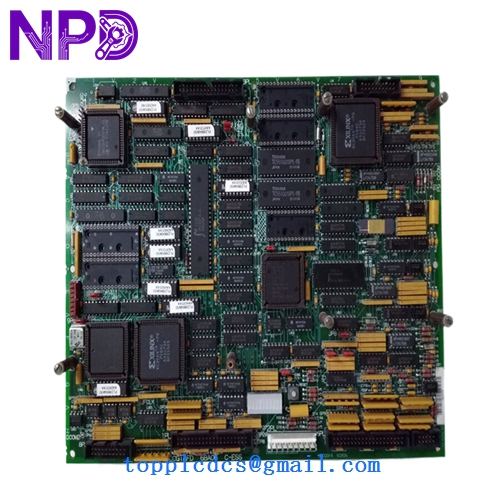
GE DS200SDCCG1AFD
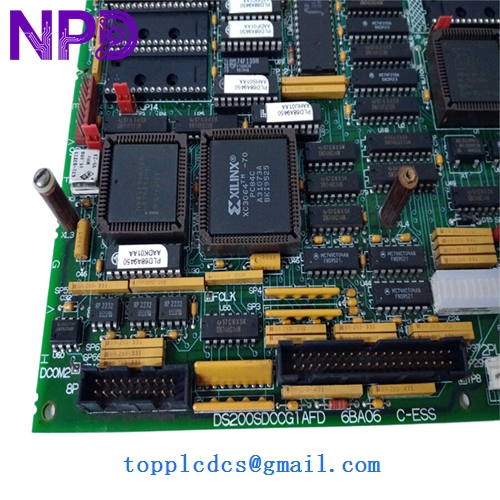
GE DS200SDCCG1AFD
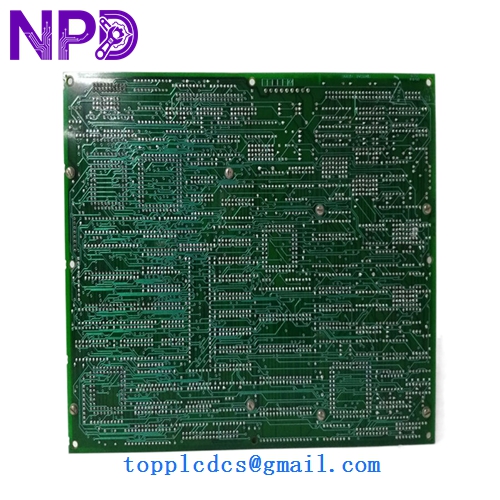
GE DS200SDCCG1AFD
Operational Guidelines
-
- Static Safety: This board contains highly sensitive CMOS components; always use a grounded ESD wrist strap during installation or maintenance.
- Configuration: Before powering the system, ensure that all hardware jumpers (JP) and DIP switches are set according to your specific drive configuration, as these define the board’s operational logic.
- Firmware Verification: When replacing an older SDCC board, verify that the EPROM chips are correctly seated and that the firmware version is compatible with your existing Mark V control system.
- Connection Check: Ensure the ribbon cables are securely locked into the multi-pin connectors to prevent signal noise or intermittent communication failures.