
Description
Product Core Brief
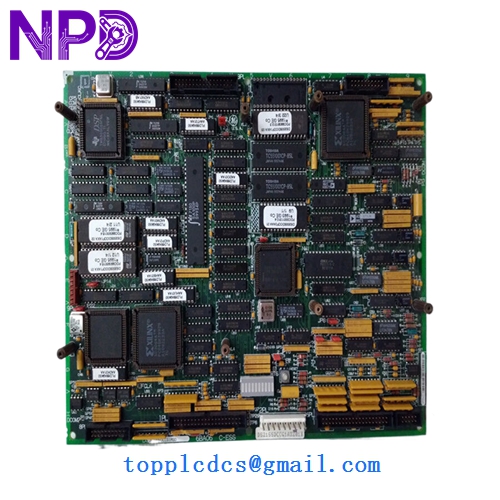
These two modules are the “brains” of the GE Speedtronic Mark V turbine control system. The SDCC (Drive Control Card) is the primary processor board used to execute control algorithms, process I/O, and manage communications within the drive or turbine control panel.
- Brand: General Electric (GE)
- Series: Speedtronic Mark V
- Part Numbers:
- DS200SDCCG1AGD: The standard production version of the Drive Control Board.
- DS215SDCCG1AZZ01B: An updated or specialized version, often featuring enhanced processing or firmware capabilities (Series 215).
Key Technical Specifications
- Microprocessors: Features three 16-bit high-performance microprocessors for concurrent task execution.
- Communication Ports:
- DCC (Drive Control Communications): Links to other boards in the Mark V rack.
- RS-232: For local PC diagnostics and configuration.
- Memory: Includes EPROM (firmware), RAM (runtime data), and EEPROM (configuration parameters).
- I/O Processing: Manages digital and analog signals for turbine speed control, temperature monitoring, and fuel regulation.
- Compatibility: Used in both gas and steam turbine control systems (Mark V LM and Mark V frames).
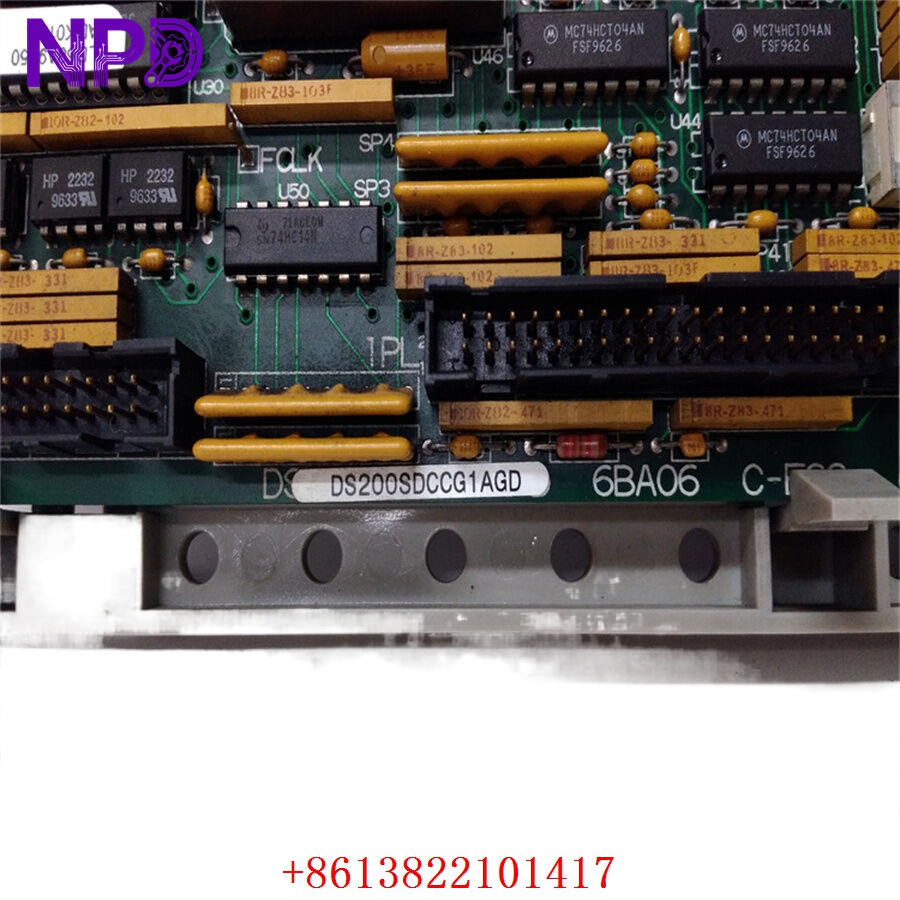
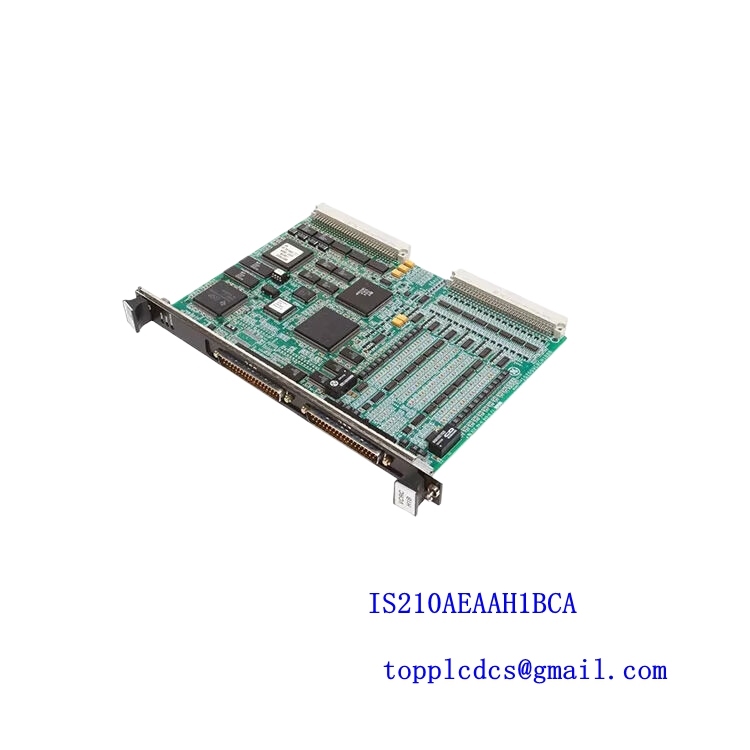
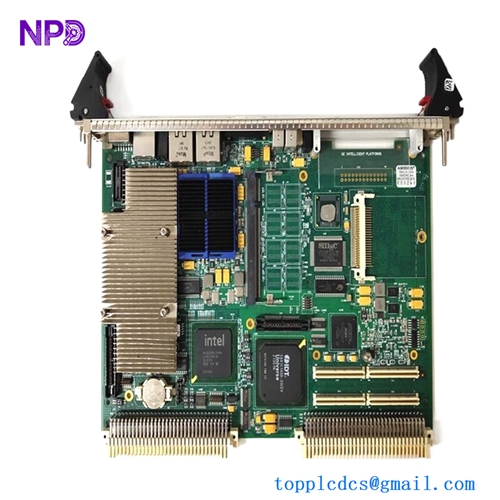
GE DS200SDCCG1AGD DS215SDCCG1AZZ01B
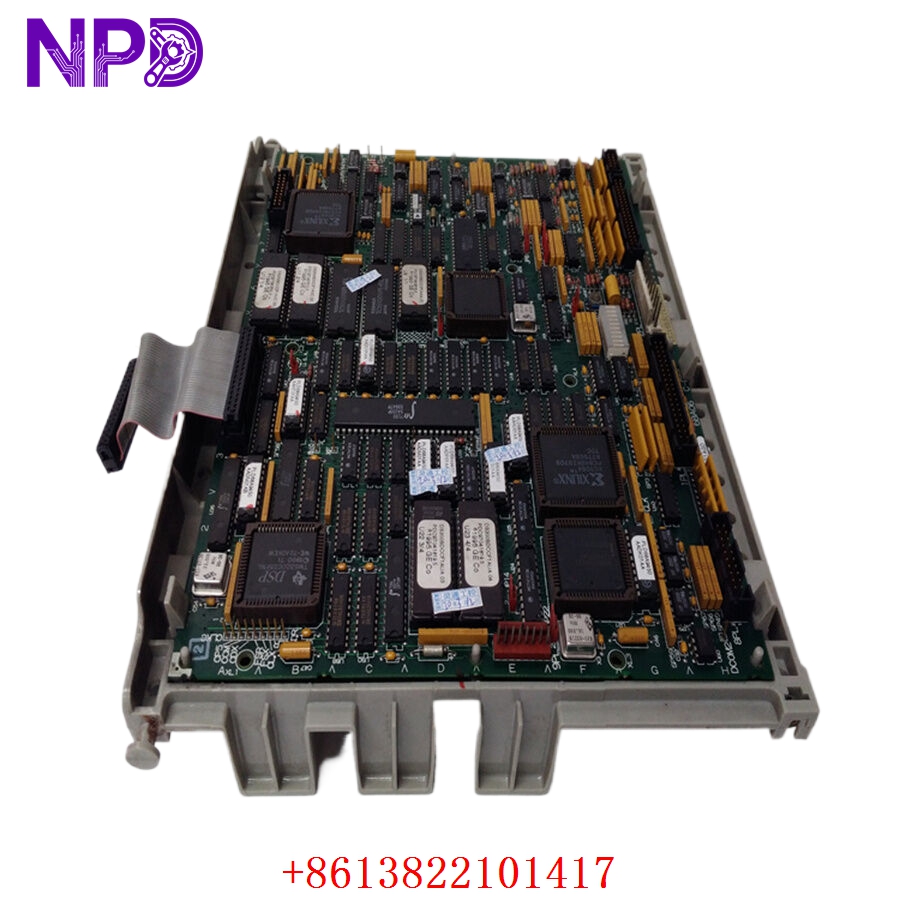
GE DS200SDCCG1AGD DS215SDCCG1AZZ01B
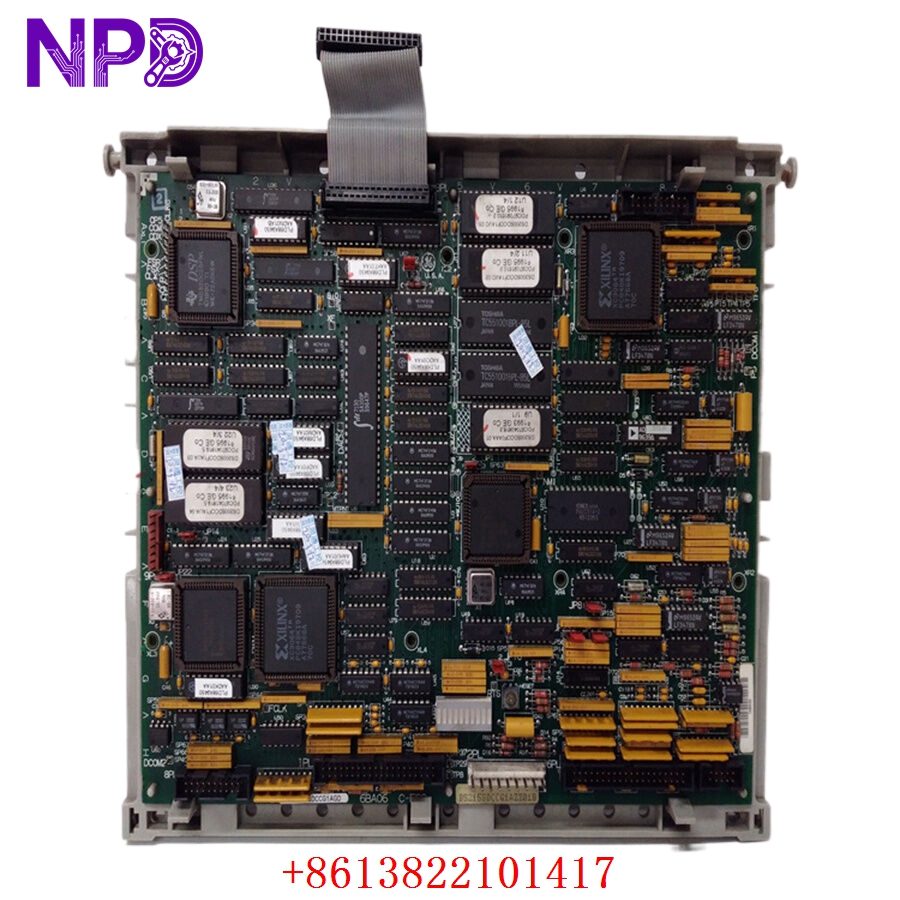
GE DS200SDCCG1AGD DS215SDCCG1AZZ01B
Comparison: DS200 vs. DS215
| Feature | DS200SDCCG1AGD | DS215SDCCG1AZZ01B |
| Generation | Standard Mark V Series | Enhanced / Updated Mark V Series |
| Common Use | General Mark V Drive Control | Specific High-Performance or Newer Retrofits |
| Firmware Slots | Standard EPROM sockets | May include specialized “ZZ” firmware variations |
| Form Factor | Full-size board with multiple connectors | Identical footprint, typically backward compatible |
Installation & Configuration Guide
Phase 1: Pre-Installation (Estimated time: 15 minutes)
⚠️ Safety Protocol:
- Critical: The SDCC board contains sensitive configuration data in the EEPROM. If you do not transfer the chips correctly, the turbine will not start or may operate dangerously.
- Discharge all static electricity from your body using an ESD wrist strap.
- Power down the entire Mark V panel. Verify zero voltage at the backplane.
Phase 2: Removal (Estimated time: 10 minutes)
- Chip Identification: Locate the EPROM chips (usually labeled U1, U2, etc.). Note their orientation (the “notch” direction).
- Cable Removal: Carefully unplug the ribbon cables and fiber optic cables (if applicable). Mark each cable to ensure it returns to the same port (J1 through J10).
- Extraction: Remove the nylon standoffs or screws holding the board to the rack and pull it forward.
Phase 3: Chip Migration (Estimated time: 15 minutes)
- The Transfer: Use a specialized IC puller tool to remove the EPROM and EEPROM chips from the old board.
- Installation: Insert them into the same sockets on the new board (DS200 or DS215). Ensure the notch on the chip matches the notch on the socket.
- Verification: Inspect the pins to ensure none were bent during the transfer.
Phase 4: Commissioning (Estimated time: 30 minutes)
- Power Up: Turn on the panel. The board should perform a self-test.
- Diagnostics: Connect via the local port and check for “Hardware Incompatibility” or “Checksum Error” alarms.
- Download: In some cases, you may need to use the GE IDOS or Cimplicity software to “Download” the configuration from the operator interface to the new board.
Frequently Asked Questions (FAQ)
Q: Can I replace a DS200 board with a DS215 board?
A: In most Mark V applications, the DS215 is backward compatible with the DS200 series. However, you must verify the Group Number (e.g., G1) and the Alpha Suffix (e.g., AGD). If the firmware version on your chips is very old, it may require a specific hardware revision.
Q: Why does my board have “ZZ” in the part number?
A: The “ZZ” suffix in DS215SDCCG1AZZ01B often indicates a specific firmware or hardware customization requested by GE for certain turbine models. It is a “firmware-specific” version of the standard SDCC card.
Q: Is “New Surplus” safe for power plant operations?
A: Yes. These boards were manufactured by GE and held as spares in temperature-controlled environments. Because GE has moved toward the Mark VIe series, New Surplus is often the only way to get “zero-hour” Mark V boards without paying for a total control system upgrade.
Q: What happens if I install the EPROM chips backwards?
A: You will likely destroy the chips and potentially damage the board upon power-up. Always take high-resolution photos of the original board before removing any chips.
Q: Does the board come with the firmware chips installed?
A: Usually, no. The EPROM/EEPROM chips contain your site-specific logic and parameters. We supply the hardware (the board); you must transfer your original chips or have your controls engineer burn new ones.