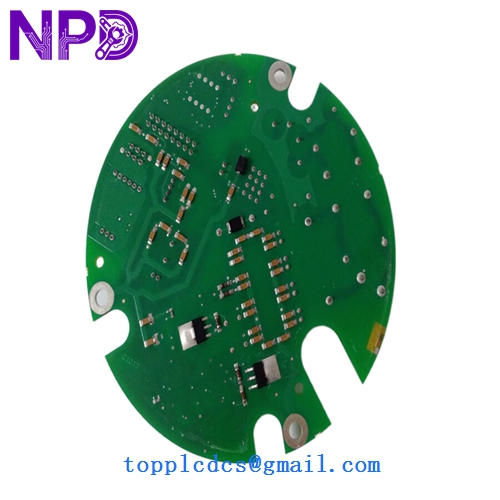
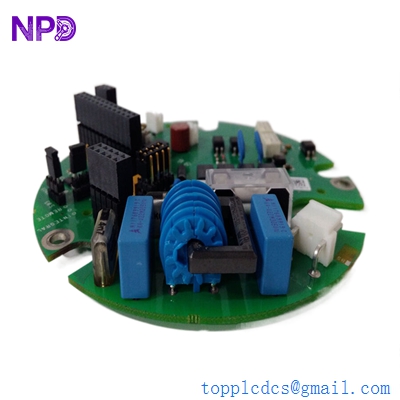

Description
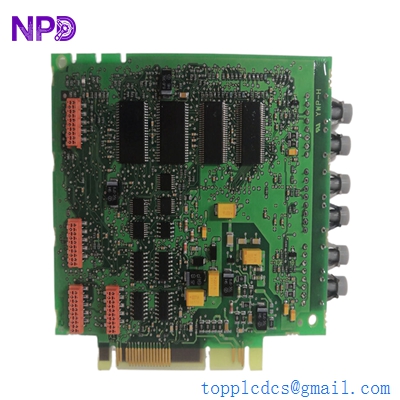
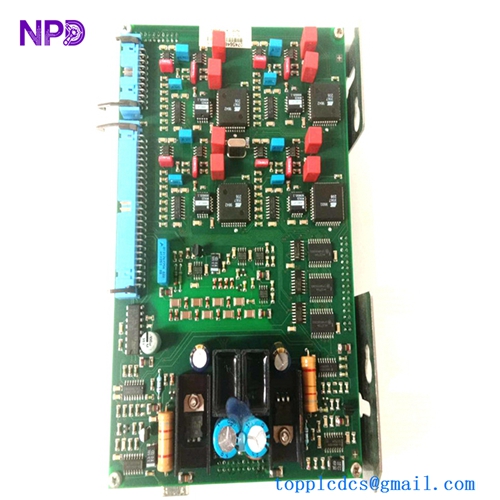
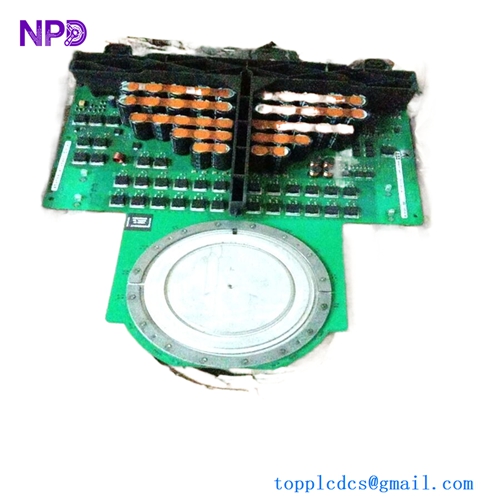
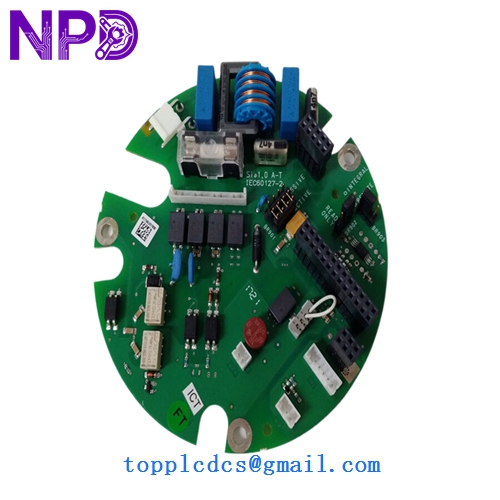
- Model: DS200TCQAG1BHF-W01 (Base Board) / DS215TCQAG1BZZ01A (EPROM/Prom Upgrade Version)
- Brand: General Electric (GE)
- Series: Speedtronic Mark V Turbine Control System
- Core Function: Processes analog inputs, flame detection signals, and synchronization inputs for heavy-duty gas/steam turbines.
- Product Type: Analog I/O and Core Control Processor Board
- Key Specs: 24 V DC internal logic, specialized multi-layer circuit layout, multi-channel processing
- System Architecture: Compatible with Mark V , , and core control engine racks
- Analog Interface: Accommodates thermocouple inputs, RTD loops, and 4-20 mA transducers
- Flame Detection Input: Integrates with Geiger-Müller sensor circuits for turbine flame verification
- Processor Class: Specialized 16-bit processing node configured for synchronous bus control
- Isolation Rating: Galvanic channel isolation up to 1,000 V for delicate sensor circuits
- Onboard Memory: EEPROM socketed for system configurations and runtime parameters
- DIP Switches: Configurable hardware address routing switches
- Connectors: Multi-pin ribbon cable ribbon connectors (JE, JC, JD bus configurations)
- Form Factor: Double-slot extended proprietary printed circuit board
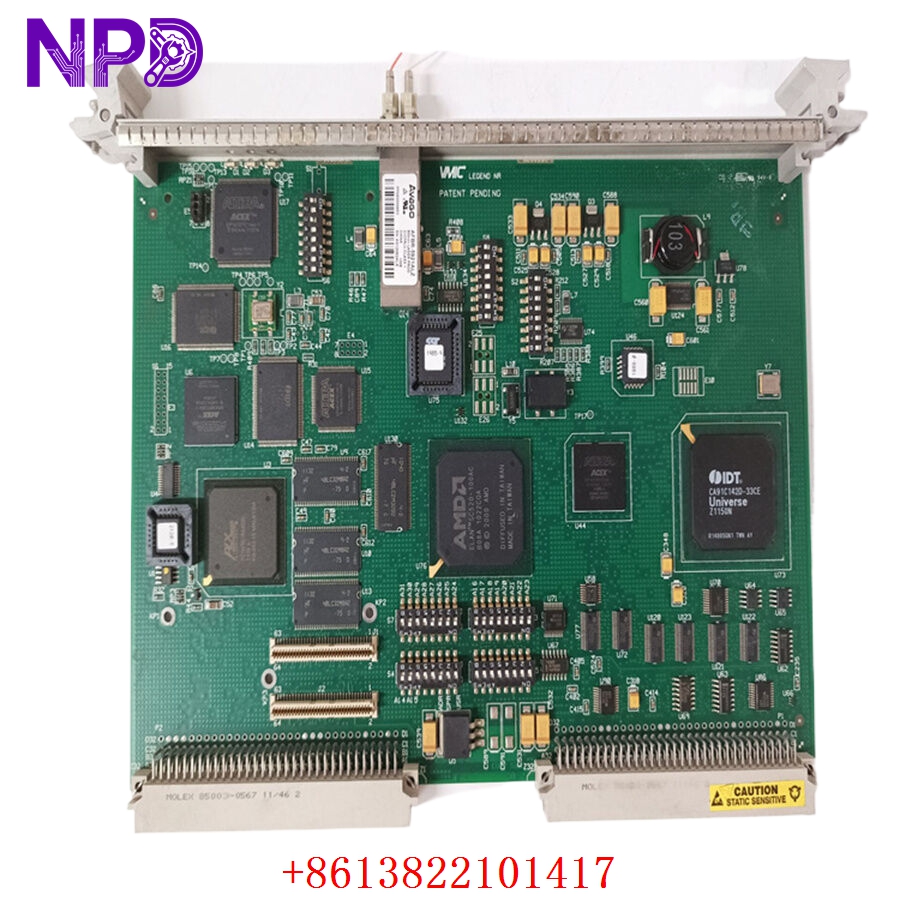
GE VMIVME-7614-132350-017614-132 D IS215UCVEH2AE
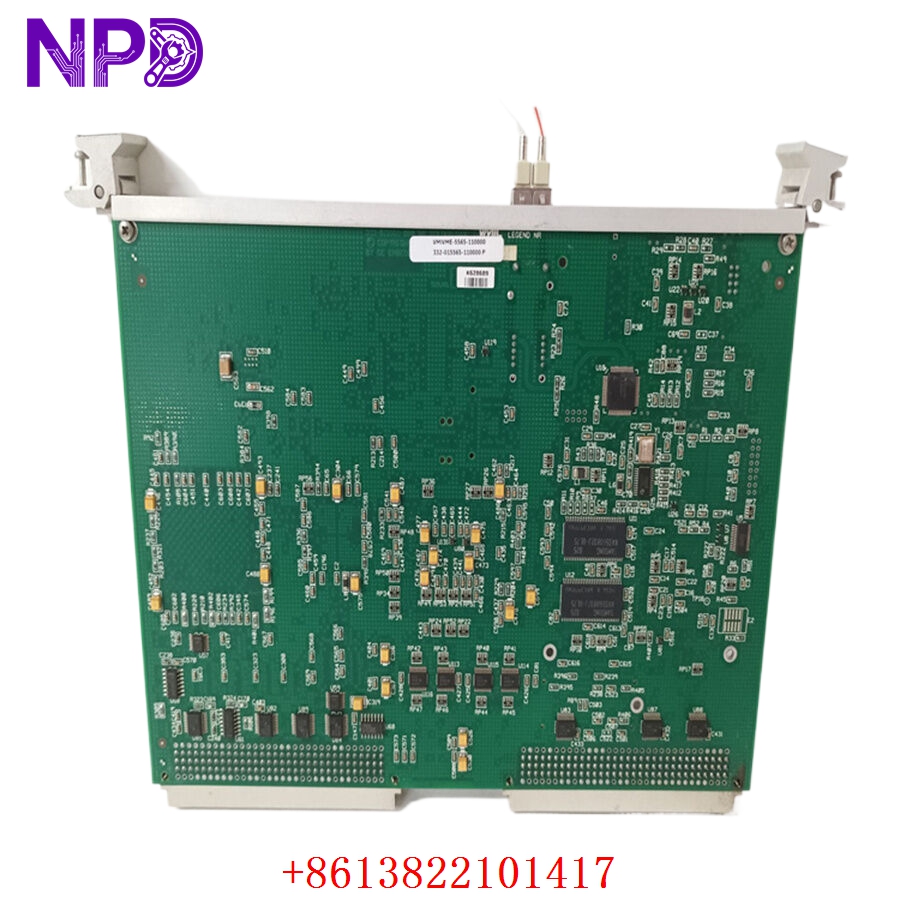
GE VMIVME-5565-110000332-015565-110000 P VME-5565
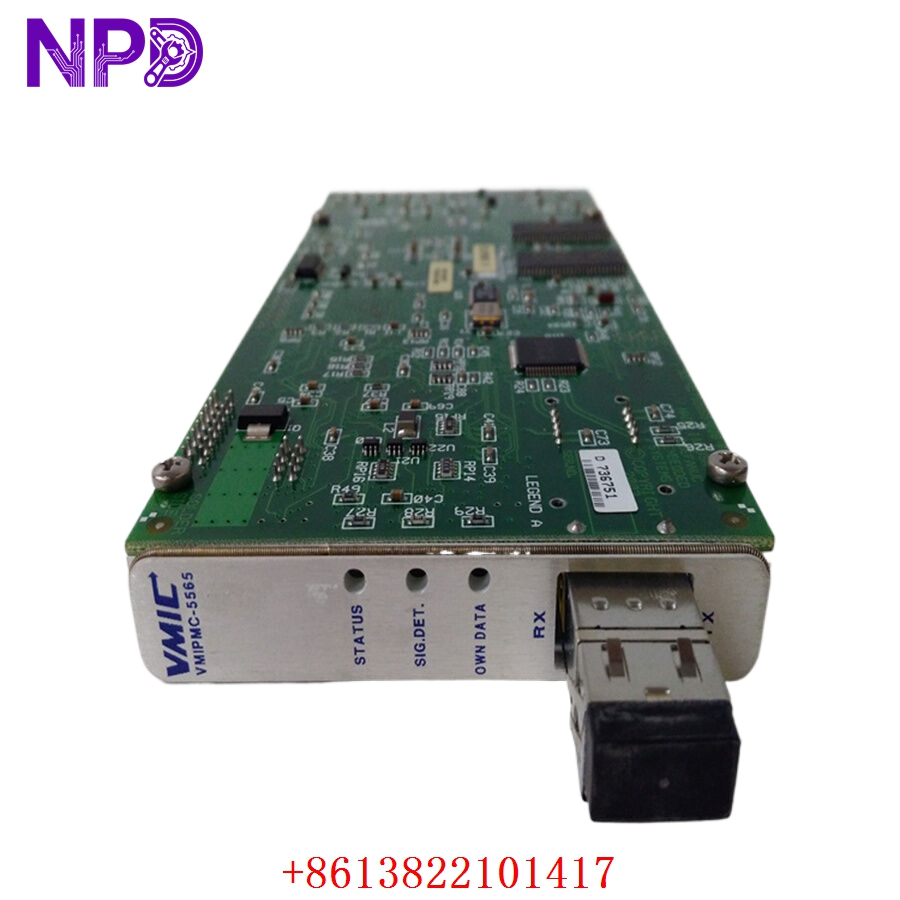
GE VMIPMC-5565
Application Scenarios & Pain Points
When a heavy-duty gas turbine control system flags an absolute voting fault in a Mark V panel, you don’t have time to play guessing games. These older Speedtronic systems manage critical power assets. If a DS200TCQAG1BHF-W01 or its functional alternative DS215TCQAG1BZZ01A begins to experience hardware decay or EEPROM corruption, the , , and voting cores lose synchronization. The resulting failure isn’t just a software error; it means an immediate unit trip, thousands of dollars per minute in lost power generation, and potential grid stability issues.
Typical Application Scenarios:
- Frame 7/Frame 9 Gas Turbine Control Managing critical trip loops, fuel stroke reference calculations, and exhaust temperature thermocouple matrices.
- Combined Cycle Power Plants Interfacing steam turbine governor systems with overarching plant Distributed Control Systems (DCS).
- Co-generation Facilities Providing highly reliable mechanical control loops under high-temperature, high-vibration power generation conditions.
Case Study: Rescuing a 150 MW Co-Gen Plant in Texas
Background: During a scheduled peak-load dispatch cycle, a utility plant noticed their core in the Mark V panel kept dropping into an offline state, causing a “Voting Disagreement” alarm. Problem: The original analog control card was experiencing intermittent thermal breakdown near the primary processing bus. The plant couldn’t risk running on lost redundancy, and factory lead times for these out-of-production cards were non-existent. Solution: The customer contacted us regarding our stock of DS200TCQAG1BHF-W01 units. Before shipping, we put the board through our strict multi-vendor live test rack using an authentic test environment, checking communications across the JE ribbons and simulating analog feedback arrays. We recorded the stable 24-hour heat signature data and expedited the unit. Results: The replacement board arrived on-site via priority air cargo. The plant engineers hot-swapped the core, downloaded the existing configuration files, and restored full triplicated redundancy within hours, preventing a forced outage during peak pricing.
Compatible Replacement Models
Understanding GE’s alphanumeric coding string is vital for these boards. The DS200 series denotes base factory builds, while the DS215 denotes later-generation board revisions that often feature layout changes or integrated component modifications.
| Base Board Model | Revision/Upgrade Model | Compatibility Level | Key Differences | Execution Action Required |
|---|---|---|---|---|
| DS200TCQAG1BHF-W01 | DS215TCQAG1BZZ01A | ⚠️ Software Compatible | Component updates; physical layout variant | Must verify current EPROM firmware versions and match jumper configurations. |
| DS200TCQAG1BHF-W01 | DS200TCQAG1A | ❌ Incompatible | Missing specialized BHF hardware modifications | Do not attempt to swap; will lead to initialization block. |
Engineer’s Migration Note: In most emergency scenarios, transitioning from a DS200 baseline board to a DS215 product line variant works smoothly, provided you physically swap the existing socketed EPROM chips from your old board to the replacement, or verify that the firmware revision suffix matches your exact system documentation layout.
Troubleshooting Quick Reference
When the Mark V HMI shows a red fault code on a specific control core, walk through these checks before declaring a complete board failure:
| Symptom Indication | Potential Root Cause | Core Board Relevance | Recommended Action Pathway |
|---|---|---|---|
| Core Drops Offline (No Voting) | Ribbon Cable Seating Error | ⚠️ Medium | Power down the core, check the multi-pin ribbon cables for pin oxidation, and re-seat tightly. |
| Diagnostic Code: Eprom Fault | Firmware/Config Corruption | ✅ High | Remove the socketed EPROMs carefully; inspect pins for bending. Swap chips from the original bad card to the new asset. |
| Thermocouple Drift/False Trip | CJC (Cold Junction) Miscalibration | ⚠️ Medium | Verify input voltages at the terminal blocks using a high-accuracy digital multimeter; isolate field loop grounding errors. |
| VCO/Frequency Tracking Lost | Phase-Lock Loop Component Decay | ✅ High | Check diagnostic buffer for internal oscillator errors. If present, the board needs a complete bench repair or immediate replacement. |
Critical Pitfalls & Handling Guide:
- The Jumper Matching Mandate: These cards feature dozens of hardware configuration jump links (e.g., WJ1, WJ2). GE used these physical jumpers to scale analog inputs and dictate signal routing. Never assume a replacement card out of the box matches your site. Before you mount the new board, lay it side-by-side with the old card and match every single jumper cap position exactly. Failing to do this can easily send 24 V power straight into a 5 V sensor bus, instantly cooking your field instruments.
- EEPROM Management Handling: Your site’s turbine tuning parameters, constants, and network node definitions reside in the socketed memory chips. If you replace a DS200TCQAG1BHF-W01, you must migrate your original software chips over to the new physical unit, or perform an EEPROM download via the operator interface using proper maintenance login protocols.
- Static Mitigation Priority: The CMOS-based logic arrays on the Mark V platform are exceptionally vulnerable to static damage. When working inside the control bay, keep your static wrist-strap connected to the cabinet frame. Handling these legacy cards without active ESD grounding is a recipe for latent component failures that might trip your system two weeks later without warning.
If your turbine diagnostic screen is showing configuration faults or you need clarification on matching firmware suffixes, reach out to our team with a screenshot of your core configuration data. We will help you confirm the hardware variables before you install the card.