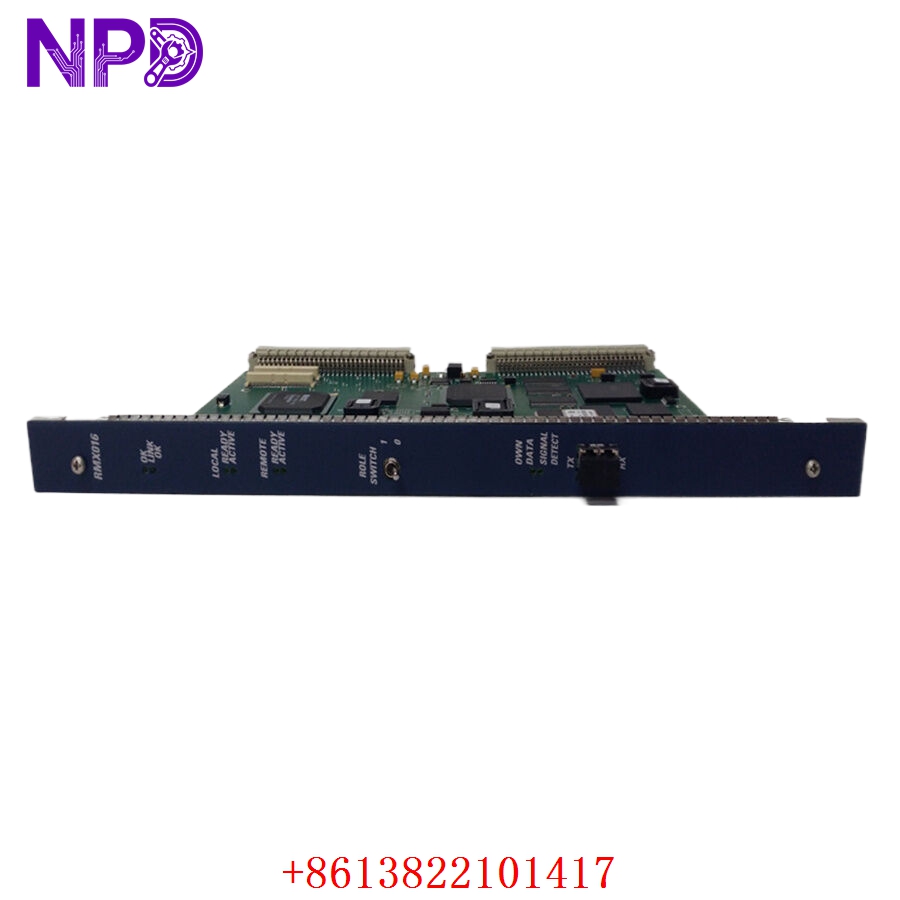

Description
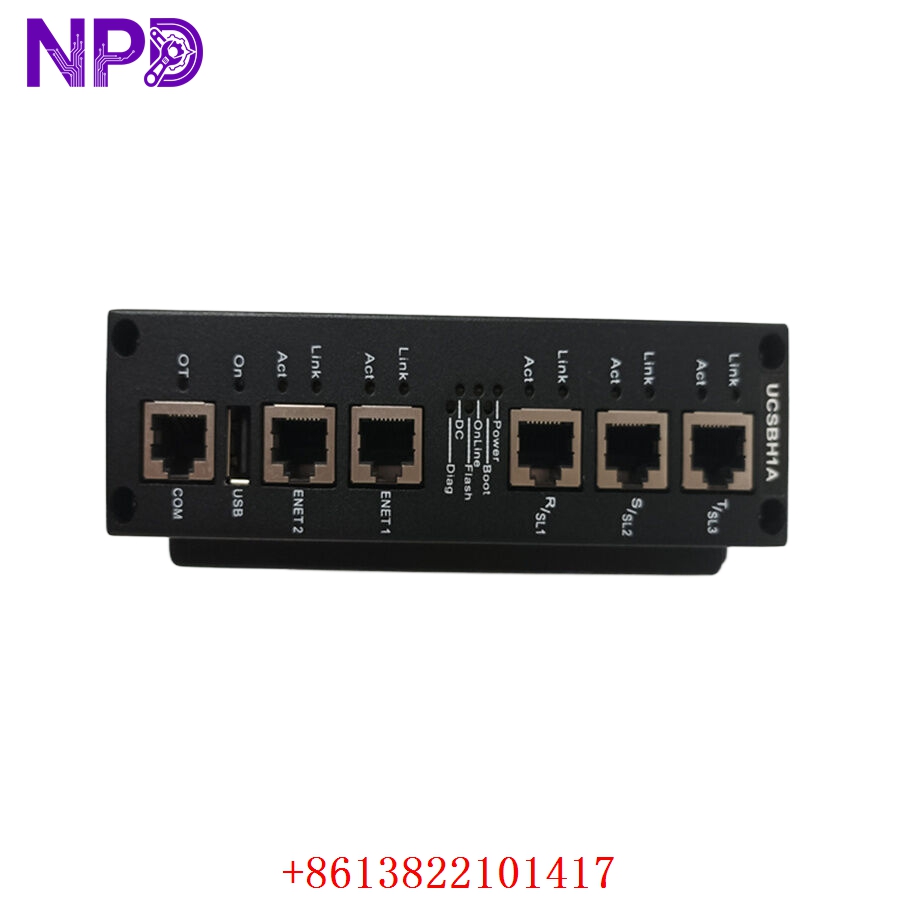
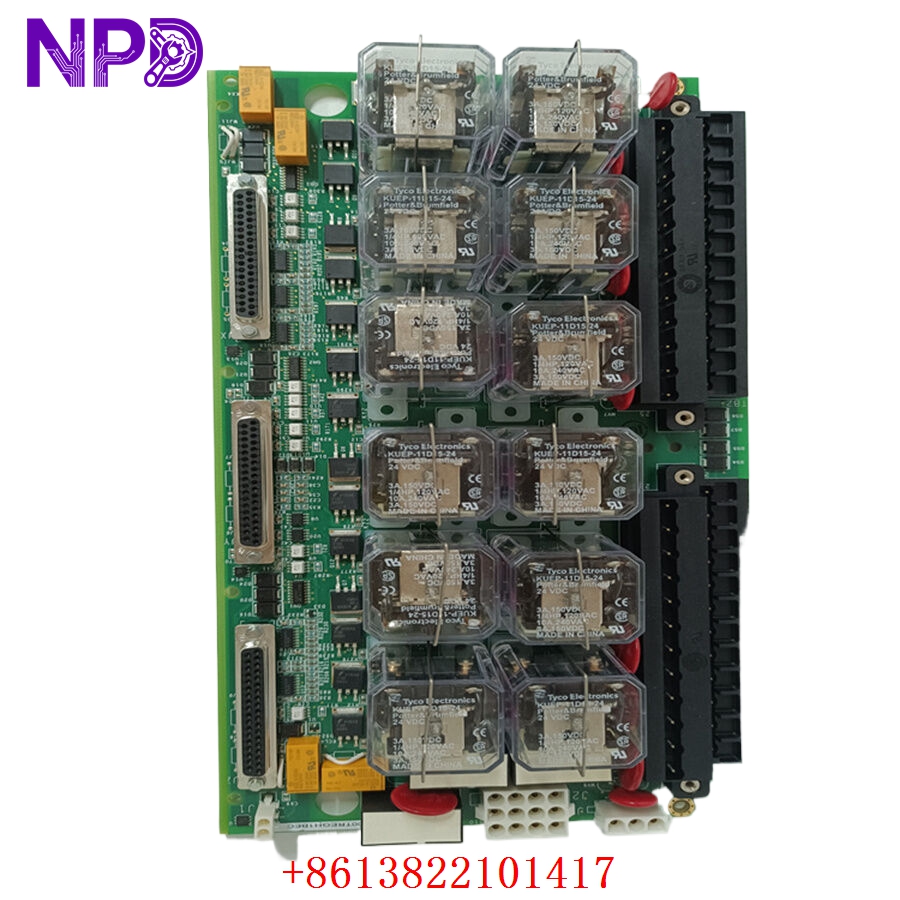
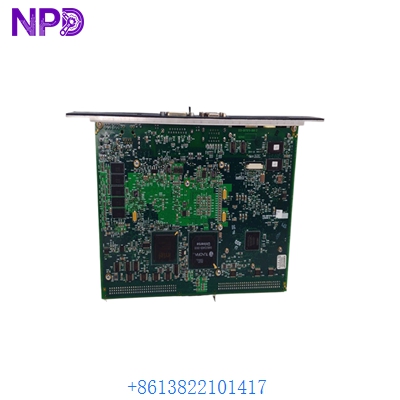
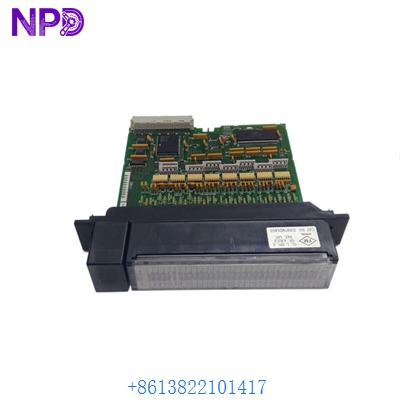
- Model: GE IC698RMX016 (VMIVME-5567-100)
- Brand: GE Fanuc / Abaco Systems (VMI)
- Series: PACSystems RX7i
- Core Function: High-speed, deterministic real-time data sharing between multiple PLC/VME nodes
- Product Type: Reflective Memory Module (Fiber Optic)
- Key Specs: 16 MB onboard RAM 2.12 Gbps Baud Rate Multi-mode Fiber Support
- Memory Size: 16 MB SDRAM
- Transfer Rate: 2.12 Gbaud (Fiber Optic)
- Network Topology: Ring or Star (via Hub)
- Max Nodes: Up to 256 nodes per network
- Latency: Less than 1 µs per node hop
- Data Integrity: Parity checking and CRC verification
- Connection Type: LC Connectors (Fiber Optic)
- Module Format: Single-slot RX7i / VME format
- Interrupts: Supports network-wide interrupts for synchronized execution
- Operating Temp: 0 °C to +60 °C
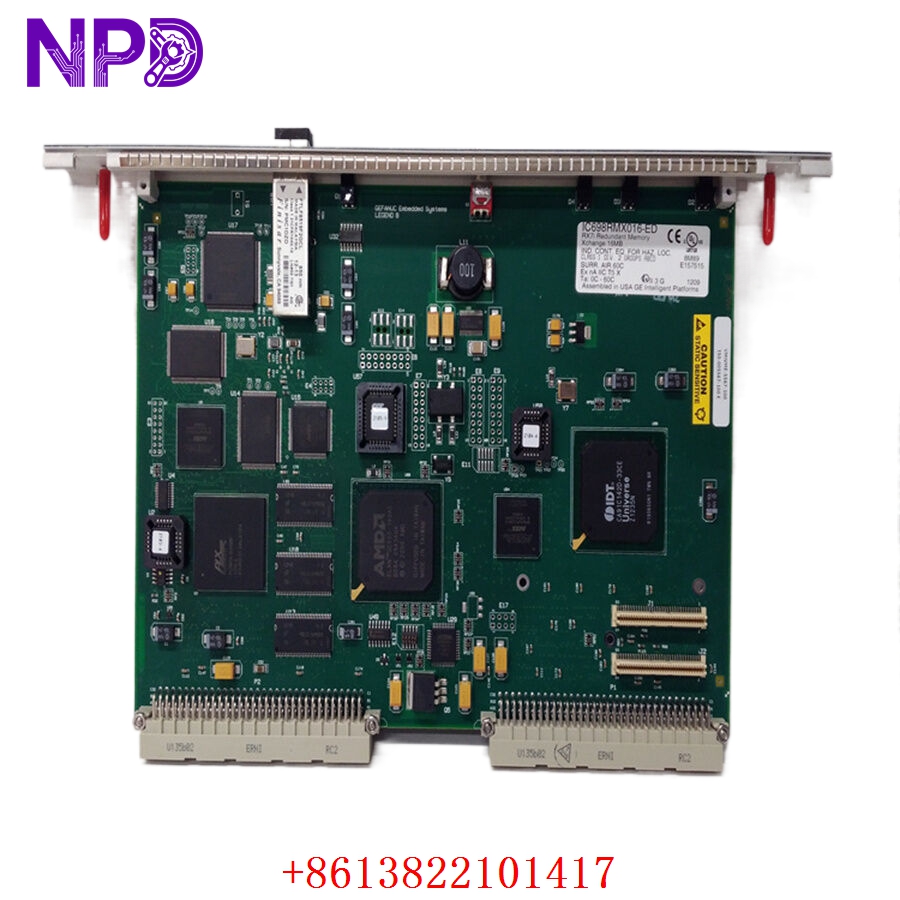
GE IC698RMX016 VMIVME-5567-100
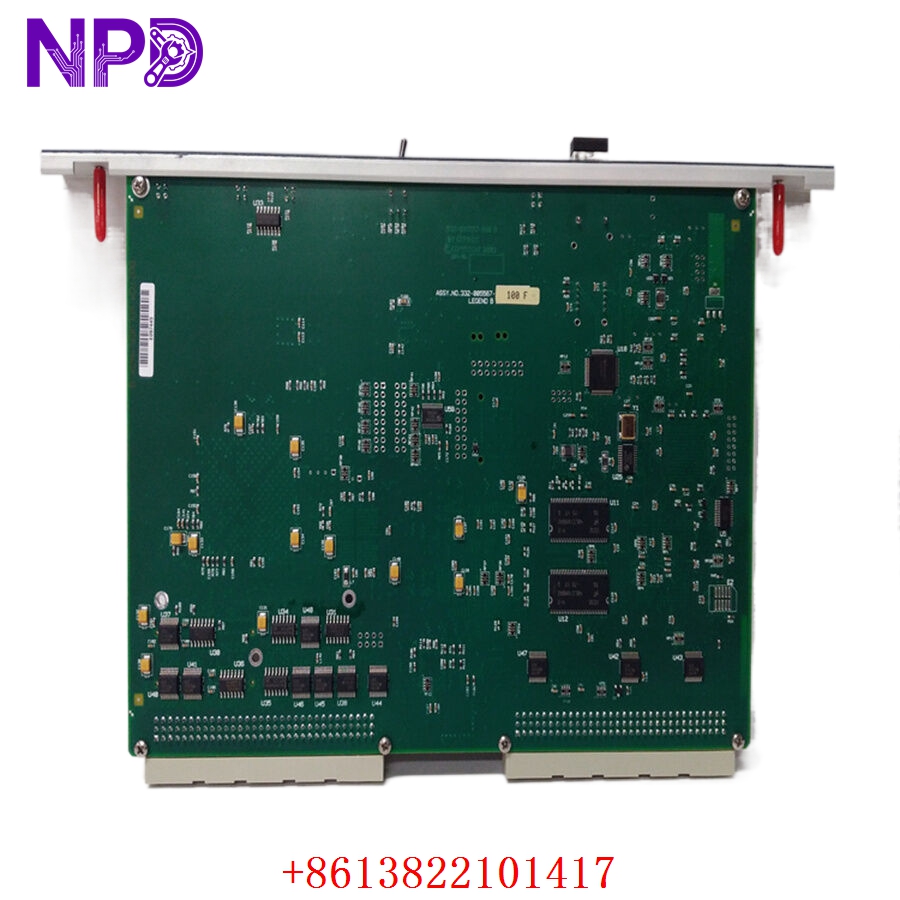
GE IC698RMX016 VMIVME-5567-100
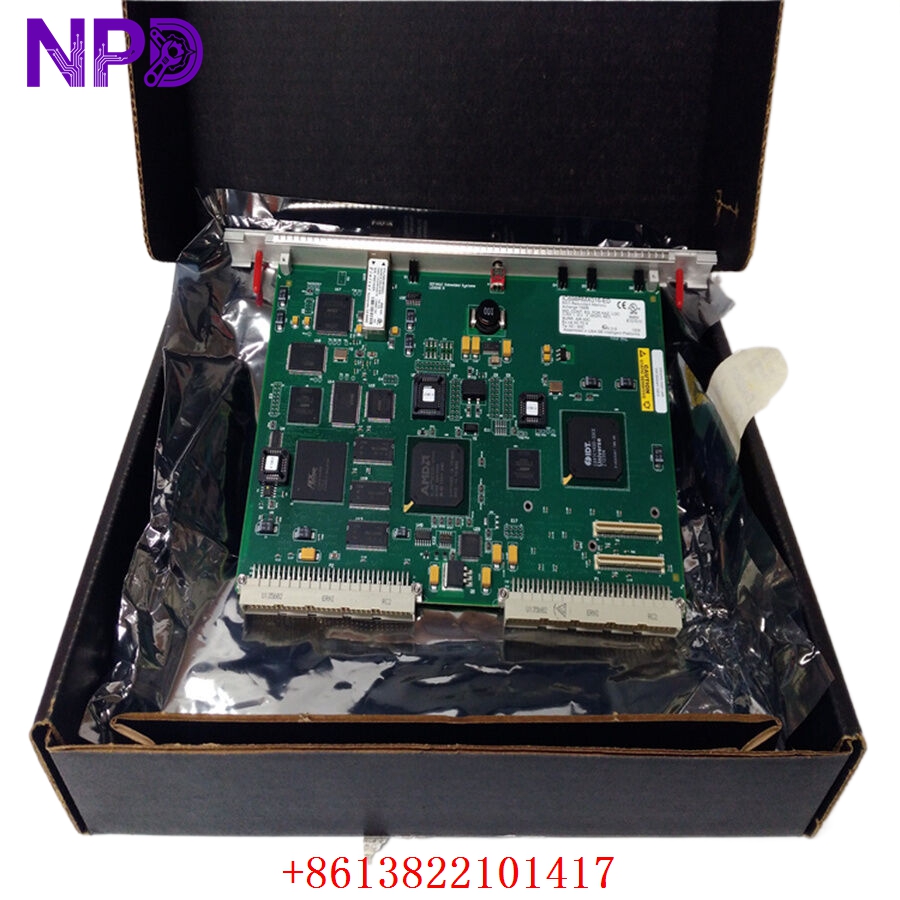
GE IC698RMX016 VMIVME-5567-100
Application Scenarios & Pain Points
In large-scale synchronized systems—like a multi-stand rolling mill or a flight simulator—standard Ethernet is simply too slow and jittery. The IC698RMX016 (based on the VMIVME-5567-100 architecture) solves this by creating a “shared” memory space across multiple racks. When CPU A writes data to a specific memory address on its RMX module, that data is instantly “reflected” to CPU B’s RMX module via fiber optics. The biggest pain point for engineers is keeping multiple controllers in perfect sync; if the RMX link fails, the controllers become “blind” to each other, leading to mechanical desynchronization that can destroy equipment.
Typical Application Scenarios:
- Metals Industry – Hot Rolling Mills
Synchronizing the speed of multiple stands in real-time to maintain strip tension and thickness.
- Simulation & Training – Flight Simulators
Connecting the I/O system to the host computer with sub-millisecond latency for realistic flight physics.
- Power Industry – Hydroelectric Turbine Control
Linking multiple redundant controllers to manage grid frequency and blade pitch simultaneously.
- Research & Defense – High-Speed Data Acquisition
Aggregating data from multiple VME-based sensors into a central processing unit without taxing the CPU bus.
Case Study: The “Jittery” Rolling Mill
Background:
A steel plant in East China was using an RX7i system to control a 5-stand cold rolling mill. The system used standard Ethernet for data exchange between the stands.
The Problem:
As they increased production speed, the Ethernet latency caused “tension spikes,” leading to frequent strip breaks. The mill couldn’t stay synchronized within the required 2 ms window.
The Solution:
The plant upgraded the inter-controller link to IC698RMX016 modules. We provided two units and verified the fiber optic transceivers’ output power before shipping.
The Result:
By moving to a reflective memory architecture, the data transfer latency dropped from ~10 ms to less than 150 µs. Strip breaks were reduced by 85%, and the mill’s maximum speed increased by 20%.
SOP Quality Transparency
Reflective memory is all about timing and signal integrity. A single “soft error” in the RAM can crash a whole network.
- Optical Port Audit:
We inspect the LC fiber ports under a digital microscope to ensure no scratches or dust are present on the transceiver lenses. Dirty ports are the #1 cause of “CRC Errors” in RMX systems.
- Loopback & Network Test:
- Self-Test: We run the module in “Loopback Mode” to verify the internal transmitter and receiver are communicating perfectly.
- Memory Mapping: We use a VME test chassis to write a pattern to all 16 MB of RAM and read it back to ensure zero bit-errors.
- Link Speed: We verify the 2.12 Gbps link stability over a 24-hour period using a fiber patch cable.
- Battery/SuperCap Verification:
We check the integrity of any onboard configuration storage to ensure the module retains its Node ID and interrupt settings after a power cycle.
- Hardware Revision Check:
The VMIVME-5567-100 has undergone several silicon revisions. We document the specific revision (e.g., Rev A, B, C) to ensure it “plays well” with your existing RMX nodes.
- Packaging:
The module is placed in a heavy-duty anti-static bag and a foam-lined box to protect the delicate fiber optic ports from impact.
Technical “Pitfall” Guide
RMX modules are “invisible” to the programmer once configured, which makes them hard to troubleshoot when things go wrong.
- The “Ring of Death” ❗
Reflective memory usually operates in a ring topology. If you unplug the fiber from one module, the entire network goes down.
The Fix: If you are troubleshooting, use a fiber loopback plug to isolate one module at a time. If the “Link” LED comes on with a loopback plug but stays off when connected to the network, your problem is the cable or the next node in the ring.
- Node ID Conflicts ❗
Every IC698RMX016 on the network must have a unique Node ID. If two modules share an ID, they will fight over the data, leading to massive memory corruption.
The Fix: Check the DIP switches or software configuration carefully. Keep a “Network Map” taped inside the cabinet door.
- Fiber Bend Radius:
In my experience, many “intermittent” link errors are caused by fiber cables being pinched or bent too tightly in the cabinet.
The Fix: Maintain a minimum bend radius of 30 mm. Use high-quality multi-mode fiber (50/125 µm or 62.5/125 µm) and never zip-tie fiber cables tightly to power lines.
- Memory Map Alignment:
You must ensure that CPU A and CPU B are looking at the same memory offsets. If CPU A writes “Speed” to Offset 0x00, but CPU B thinks “Speed” is at Offset 0x10, your system will behave erratically. Always verify your Global Data mapping in Proficy Machine Edition.
Troubleshooting Quick Reference
| Symptom | Possible Cause | Relevance | Quick Check | Recommendation |
| “LINK” LED Off | Fiber break / No light | ✅ High | Use a loopback plug on the module. | Replace fiber cable or module. |
| “DATA” LED Red | CRC / Parity Error | ✅ High | Clean the fiber connectors with a specialized kit. | Reseat fiber; check for EMI. |
| CPU Watchdog Trip | Latency / Sync Issue | ⚠️ Med | Check the number of hops in the ring. | Optimize network; use a Hub. |
| Wrong Data in RAM | Node ID Conflict | ✅ High | Verify Node ID DIP switches. | Assign unique IDs. |
| “ACT” LED Not Blinking | No VME Bus Activity | ❌ Low | Check if the PLC program is running. | Check CPU status; check rack power. |
Pro Tip: If you’re seeing a lot of “CRC Errors” in your diagnostic logs, check the fiber transceivers. These 5567-series modules are getting older, and sometimes the laser diode begins to weaken. If a loopback test shows errors, it’s time to swap the module.