Description
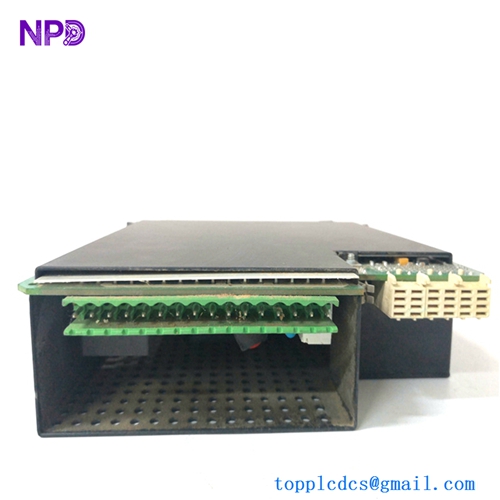
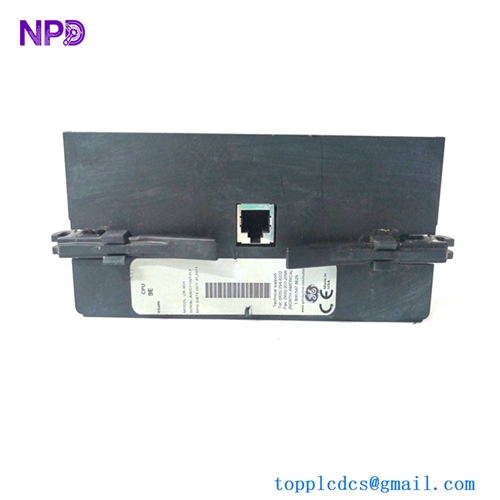
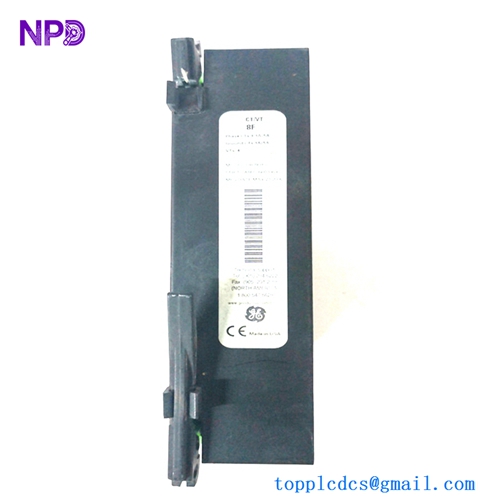
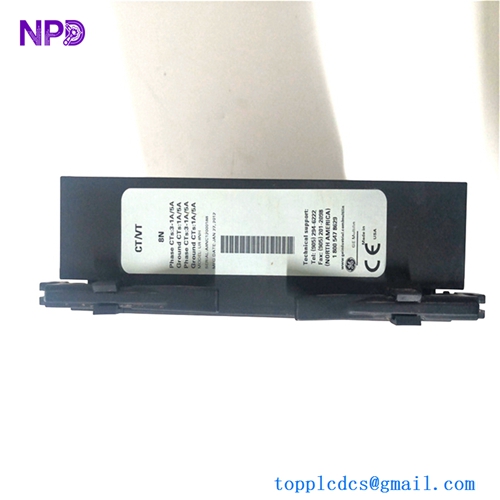
- Model: IS220PSVOH1A
- Brand: General Electric (GE)
- Series: Mark VIe
- Function: Servo Valve Positioning / Closed-Loop Actuator Control
- Inputs/Outputs: Typically supports 2 Servo Outputs and 6 LVDT/RVDT position feedback inputs.
- Communication: Dual 10/100 Ethernet ports (IONet)
-
- Servo Driver Outputs: Provides high-accuracy bipolar current outputs (e.g., ±10mA, ±40mA, ±80mA) to drive servo valves.
- Feedback Interface: Specifically designed to interface with Linear Variable Differential Transformers (LVDT) or Rotary Variable Differential Transformers (RVDT) for precise position sensing.
- Control Loops: High-speed internal DSP (Digital Signal Processor) performs the PID loop calculations locally to ensure deterministic valve positioning.
- Redundancy: Fully supports Simplex, Dual, or TMR (Triple Modular Redundant) configurations for mission-critical safety.
- Diagnostics: Monitors servo loop error, LVDT excitation health, and internal pack temperature.
- Pulse Width Modulation (PWM): Uses high-frequency excitation for the feedback sensors, providing superior noise immunity.

GE IS220PSVOH1A

GE IS220PSVOH1A
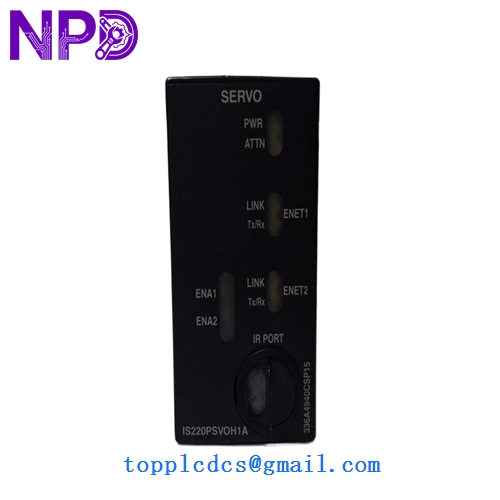
GE IS220PSVOH1A
Installation & Configuration Guide
Phase 1: Pre-Installation (Preparation)
⚠️ DANGER: High Energy: The PSVO pack controls the fuel supply to the turbine. Replacing this while the machine is “On-Wheel” or “In-Fire” without a TMR configuration can result in a catastrophic overspeed or trip.
- System State: Only replace in a Simplex system during a total shutdown. In TMR systems, verify the other two packs (<R> and <S> if replacing <T>) are healthy and “Online.”
- ToolboxST Backup: Ensure your ToolboxST project is open and you have the correct .TCFG files.
- LVDT Calibration: Note down your current “LVDT Zero” and “LVDT Span” counts before removal.
Phase 2: Removal & Replacement
- Ethernet Disconnect: Unplug the dual IONet cables.
- Unseat the Pack: Loosen the two side screws and pull the IS220PSVOH1A away from the TSVC or WSVO terminal board.
- Pin Inspection: Inspect the 37-pin D-connector on the terminal board for any bent pins or hydraulic oil ingress.
Phase 3: Commissioning
- Seat the New Pack: Push the new pack firmly onto the terminal board and tighten the screws.
- Firmware Download: Upon power-up, the controller may flag a firmware mismatch. Use ToolboxST to download the project firmware to the pack.
- Valve Calibration:
- Perform a “Valve Calibrate” command.
- Stroke the valve from 0% to 100% to verify the new pack correctly interprets the LVDT feedback.
- Check the servo current (mA) to ensure it is centered at the null point when the valve is steady.
Customer Cases & Industry Applications
Case 1: Correcting “Valve Hunting” A combined-cycle plant in the Middle East experienced “hunting” (oscillating) on their GCV (Gas Control Valve). After replacing the servo valve itself, the problem persisted. Our technical team identified that the internal A/D converter on the aging PSVOH1A pack had drifted. Replacing it with a New Surplus unit instantly stabilized the fuel flow and cleared the “Servo Error” alarms.
Case 2: Emergency Response for a Steam Turbine During a major start-up sequence, a PSVO pack failed to initialize, preventing the main steam stop valves from opening. The plant was losing revenue every hour it was off the grid. We dispatched an IS220PSVOH1A via international express. The pack arrived, was installed, and calibrated in under 4 hours, allowing the plant to reach full load by evening.
Frequently Asked Questions (FAQ)
Q: Is the PSVOH1A compatible with all LVDTs? A: It supports most standard 3-wire and 6-wire LVDTs. However, the excitation frequency and voltage must be configured in ToolboxST to match your specific sensor’s requirements.
Q: Can I hot-swap this pack in a TMR system? A: Yes. In a TMR Mark VIe system, the servo output is voted in the hardware (on the terminal board). You can pull one pack and the turbine will continue to run on the remaining two.
Q: What is the difference between PSVOH1A and PSVOH1B? A: The “B” revision is a later hardware update. While they are functionally similar, it is always recommended to keep all three packs in a TMR set at the same revision level for perfectly matched timing and diagnostics.
Q: Why choose “New Surplus” over “Refurbished”? A: Servo control is the most demanding task in the cabinet. Refurbished packs may have repaired solder joints that can fail under the high-vibration environment of a turbine enclosure. New Surplus ensures you are getting original factory-certified reliability for the most critical loop in your system.