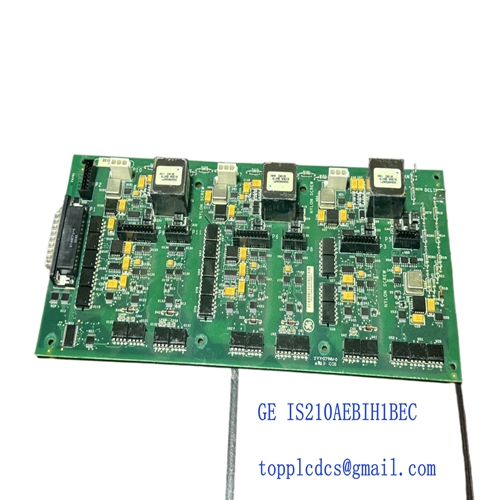
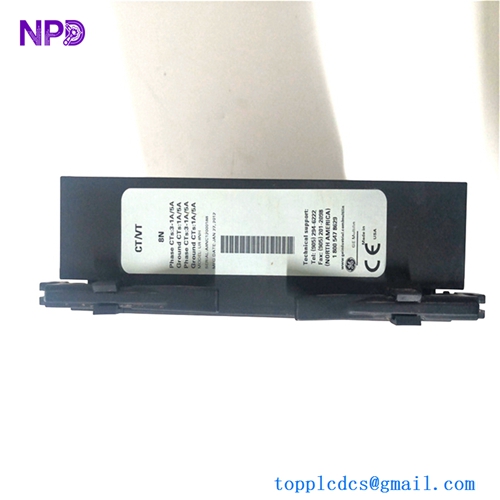
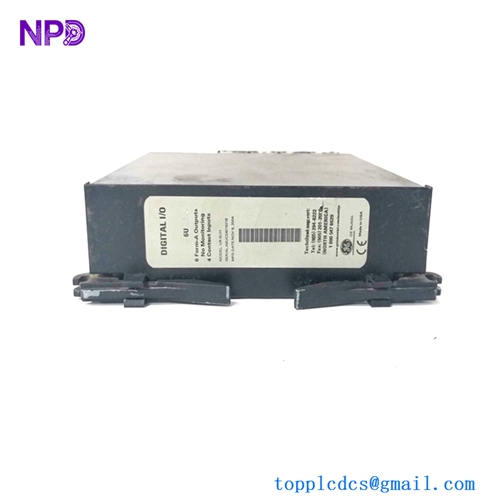
Description
- Model: IS230TCISH6C
- Brand: General Electric (GE)
- Series: Mark VIe
- Function: Discrete/Contact Input Termination
- Capacity: Typically manages 24 contact inputs in a compact footprint.
- Compatibility: Connects to the IS230PDIA series of I/O packs.
-
- Signal Processing: Provides landing points for dry contact inputs, using 24 V DC excitation supplied by the I/O pack.
- Compact Design: The “S” in TCIS indicates a Simplex or specialized compact form factor, significantly smaller than the full-sized TBCI boards.
- Input Protection: Integrated noise filtering and surge suppression on every channel to handle long cable runs to the turbine base.
- Diagnostics: Features an onboard ID chip that communicates with the controller via the I/O pack, ensuring the correct board type is installed.
- Connectivity: High-density 37-pin D-type connector for direct “Plug-and-Play” mounting of the PDIA pack.
- Mounting: Designed for vertical or horizontal mounting on plastic standoff carriers inside the control cabinet.
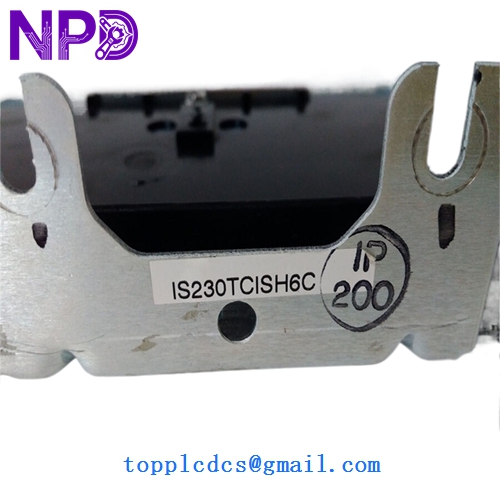
GE IS230TCISH6C
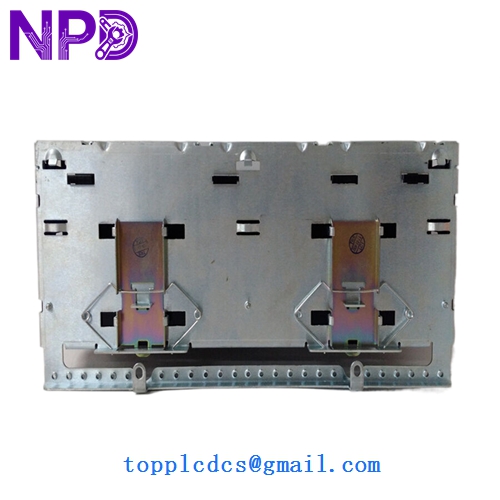
GE IS230TCISH6C
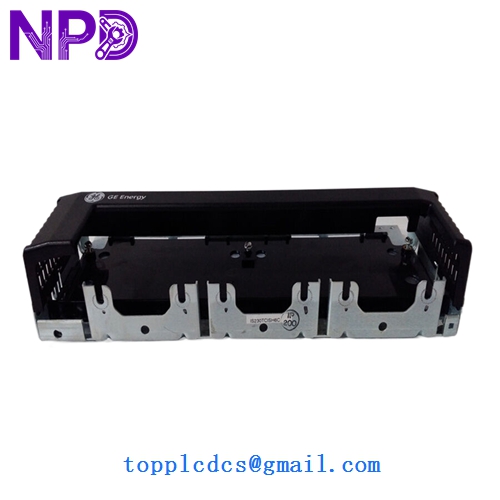
GE IS230TCISH6C
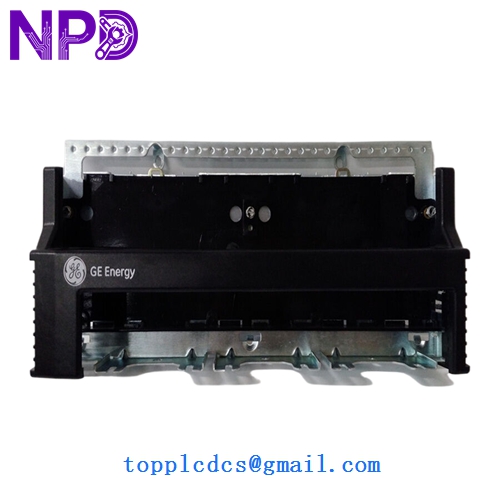
GE IS230TCISH6C
Installation & Configuration Guide
Phase 1: Pre-Installation (Preparation)
⚠️ Critical Warning: The IS230TCISH6C often handles “Permissive” or “Interlock” signals. Disconnecting this board while the turbine is online can trigger an immediate trip if the logic sees an “Open Contact” as a fault.
- Logic Status: Check your ToolboxST software to ensure no critical inputs are active on this board before removal.
- ESD Safety: Use a grounded wrist strap. The electronic ID chip on the board is sensitive to static discharge.
Phase 2: Removal & Replacement
- Field Wiring: Label every wire. Because this is a high-density board, wires are closely packed. Clear labeling is essential to avoid channel swaps.
- I/O Pack Removal: Loosen the side screws on the PDIA pack and pull it straight off the D-connector.
- Board Extraction: Remove the mounting screws. Ensure the back of the board is free of dust or metallic debris before installing the new unit.
Phase 3: Commissioning
- Board Seating: Mount the new IS230TCISH6C and secure the screws.
- Pack Attachment: Reinstall the I/O pack. The system will “handshake” with the new board via the ID chip.
- Loop Check: Verify that the field contacts (Open/Closed) are correctly reflecting in the software. No recalibration is required as the board is passive.
Customer Cases & Industry Applications
Case 1: Resolving Intermittent Alarms in Tight Cabinets A power plant in Scandinavia had a Mark VIe cabinet that was overcrowded and running hot. They experienced intermittent “Contact Faults” due to a cracked PCB on an older H1 revision board. By upgrading to the IS230TCISH6C, they utilized a newer, more heat-tolerant revision with better noise filtering, which cleared the ghost alarms permanently.
Case 2: Emergency Response During Commissioning During the commissioning of a new gas turbine site, a terminal board was damaged by a construction-related electrical surge. The site could not progress to “First Fire” without functional discrete inputs. We provided a New Surplus IS230TCISH6C within 24 hours. The board’s ID chip allowed the system to recognize it instantly, getting the commissioning schedule back on track.
Frequently Asked Questions (FAQ)
Q: Can I use this board for 125 V DC contact inputs? A: No. The TCIS series is designed for 24 V DC dry contact inputs. For high-voltage inputs, you would typically use the TBCI or specialized STCI boards with appropriate isolation.
Q: Is the H6C revision compatible with older Mark VIe software? A: Yes, generally. However, you should check your ToolboxST hardware configuration library. If the “H6C” isn’t listed, you may need to import the latest GE device support files (EDL/TCFG).
Q: Why choose “New Surplus” over “Refurbished”? A: Discrete input boards are subject to constant mechanical stress from wire tension and vibration. Refurbished boards often have weakened screw terminals or hairline trace cracks. New Surplus ensures that the mechanical integrity of the terminal blocks and the electrical integrity of the ID chip are at 100% factory spec.