Description
Product Parameters
- Model Number: DS200TCEAG1ACB
- Series: Mark V Speedtronic
- Board Type: Emergency Termination Card (TCEA)
- Processor Core: Part of the <R>, <S>, and <T> triple modular redundant (TMR) cores
- Interface Connectors: J-type ribbon connectors (J-P1, J-R1, etc.) for signal distribution
- Functions: Over-speed protection, emergency stop (E-Stop) monitoring, and trip relay control
- Country of Origin: USA
- Weight: 2.10 lbs (0.95 kg)
- Dimensions: 11.0 in x 8.5 in x 1.25 in (27.9 cm x 21.6 cm x 3.2 cm) The DS200TCEAG1ACB is a critical safety component within the GE Mark V turbine control system, specifically designed to handle emergency trip functions and over-speed protection. It operates as a bridge between the control processors and the physical trip solenoids, processing high-speed inputs to ensure the turbine enters a safe state during a fault. This “ACB” revision features specific hardware enhancements for signal filtering and relay reliability, making it a cornerstone for maintaining the integrity of the Triple Modular Redundant (TMR) architecture.
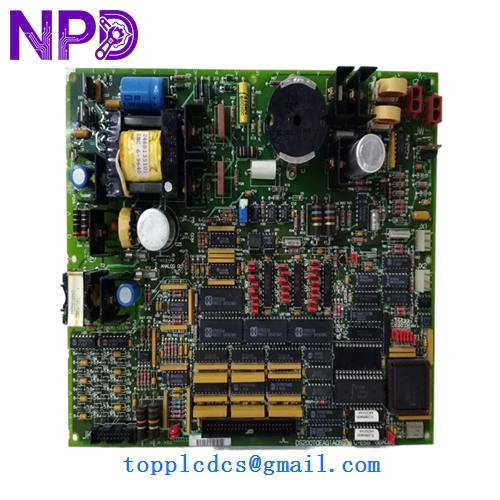
GE DS200TCEAG1ACB
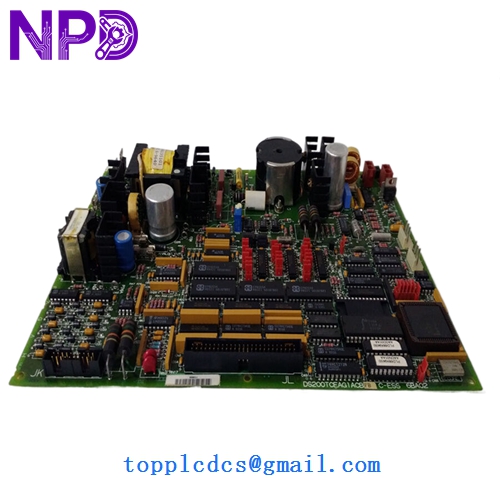
GE DS200TCEAG1ACB
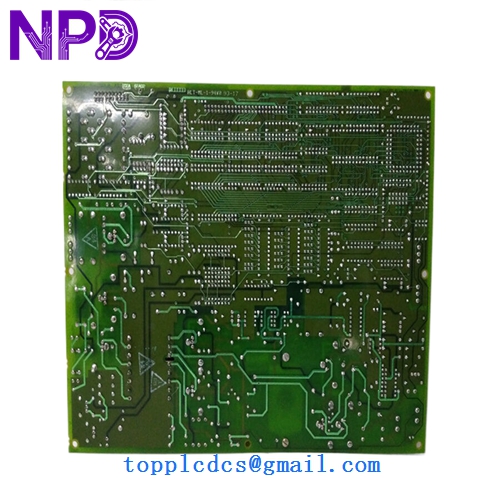
Model Comparison
Compared to earlier versions like the DS200TCEAG1AAA, the DS200TCEAG1ACB includes updated circuit protection and “C” revision component upgrades that offer better resistance to electrical noise. While the fundamental “G1A” group designation remains consistent across the TCEA series (indicating basic functional compatibility), the “ACB” suffix denotes a more mature revision of the PCB, often featuring improved soldering standards or more robust relay components. It is physically and functionally backward compatible with the “AAA” and “ABA” versions, but the “ACB” is generally preferred for its enhanced stability in high-temperature environments.
Operation Tips
- TMR Coordination: In a Triple Modular Redundant system, ensure that the TCEA boards in all three cores (<R>, <S>, and <T>) are running compatible firmware versions to prevent “voting” mismatches.
- Ribbon Cable Integrity: Inspect the J-type ribbon cables for any signs of wear or loose seating; these carry vital trip signals, and a poor connection can trigger a nuisance turbine trip.
- Relay Testing: Periodically utilize the Mark V diagnostic software (such as IDOS) to exercise the trip relays during scheduled maintenance to ensure they are not stuck in position.
- Replacement Protocol: When replacing this board, verify the position of all hardware jumpers. Even within the same model number, jumper settings may vary based on whether the turbine is gas or steam-powered.