
Description
Product Parameters
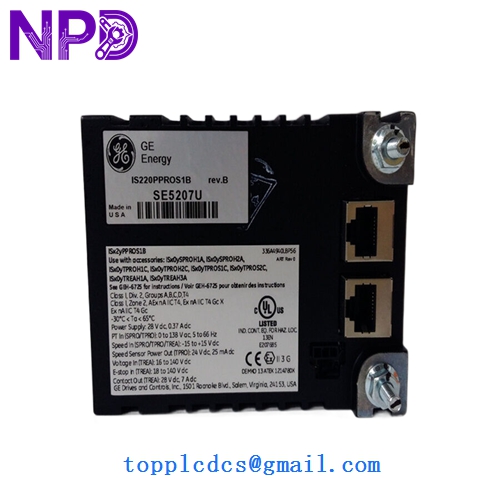
- Model Number: IS220PPROS1B
- Series: Mark VIe Speedtronic
- Module Type: Turbine Protection I/O Pack
- Speed Inputs: 3 Magnetic Pickup (MPU) or Active Power sensor inputs
- Input Channels: 9 Discrete Inputs (Contact inputs for E-Stop, etc.)
- Redundancy: Designed for Triple Modular Redundant (TMR) systems
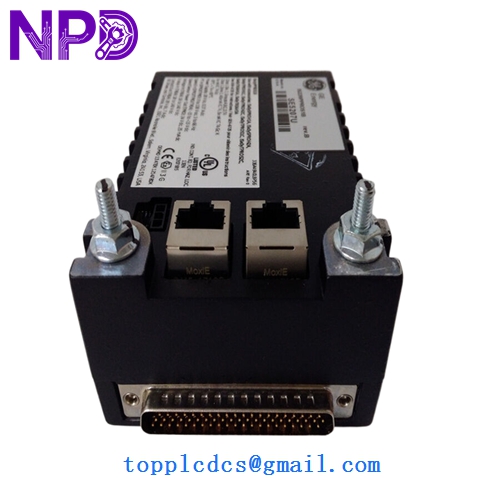
- Communication: Dual 10/100 Ethernet (IONet)
- Country of Origin: USA
- Weight: 1.35 lbs (0.61 kg)
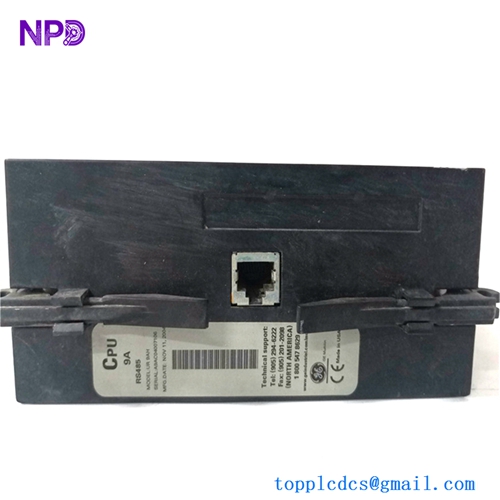
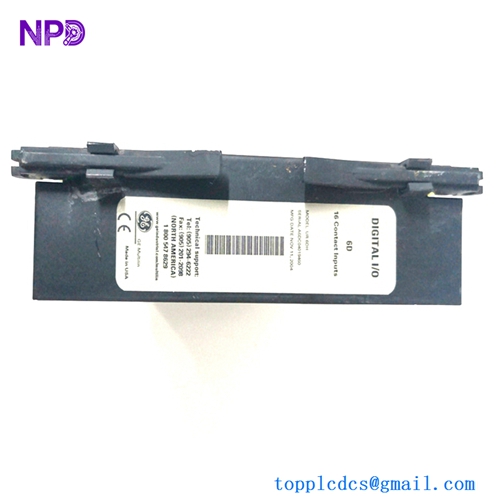
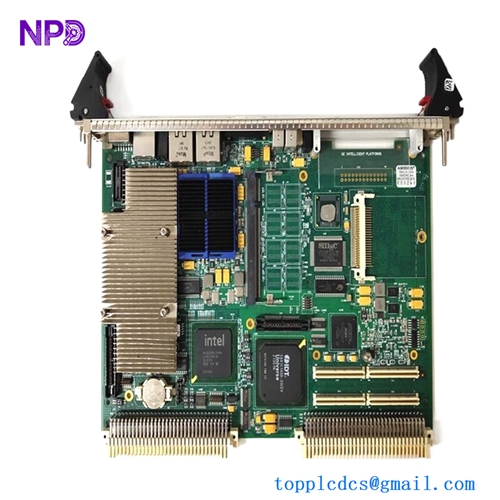
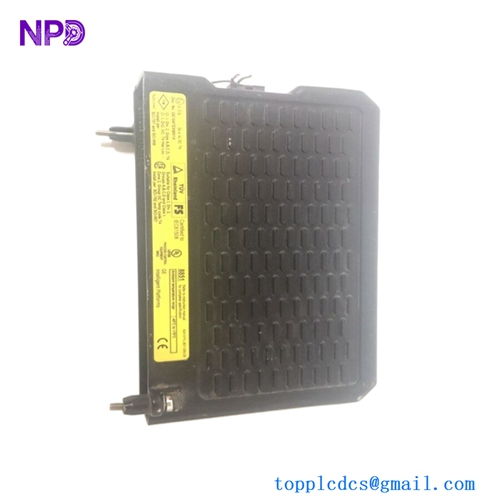
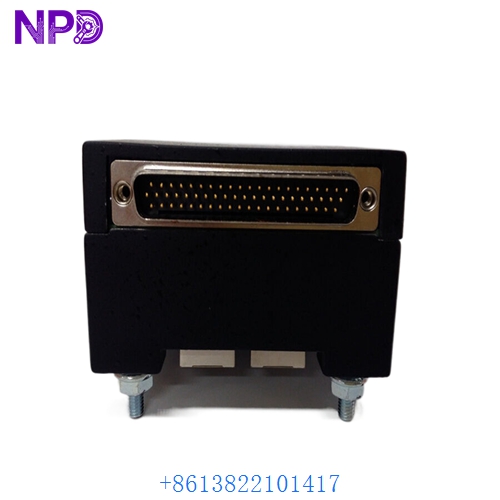
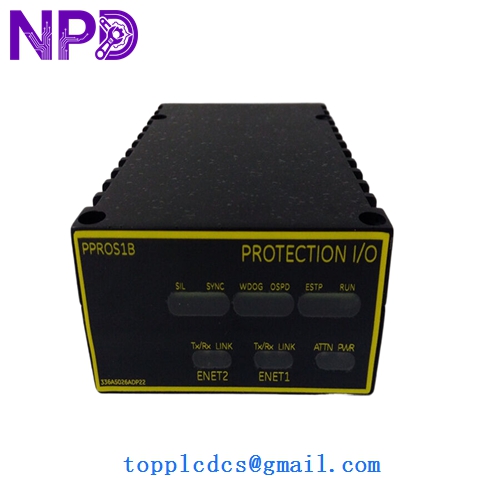
- Dimensions: 3.3 in x 1.7 in x 4.8 in (8.4 cm x 4.3 cm x 12.2 cm) The GE IS220PPROS1B is a high-integrity I/O pack that provides the core turbine protection and overspeed monitoring functions within the Mark VIe control system. It acts as an independent processing layer, directly monitoring speed sensors and emergency stop circuits to trigger the primary trip relays via the associated terminal board. This “S1B” revision features advanced diagnostic capabilities and a dual-core processor that ensures hardware-based overspeed protection remains active even if the main controller communication is interrupted, making it a critical safety component for large-scale rotating equipment.
GE IS220PPROS1B
GE IS220PPROS1B
Model Comparison
The IS220PPROS1B is an improved version of the original IS220PPROH1A, featuring enhanced transient protection and updated internal memory architecture for faster processing of trip logic. Unlike the IS220PDIAH1B (General Discrete Input), the PPRO series is specifically hardware-tuned for high-frequency speed signal processing and includes internal voting logic for safety-critical trip strings. Compared to the IS220PPROS1A, the “1B” variant utilizes more modern electronic components to improve thermal stability in high-temperature turbine environments, ensuring a lower failure rate over the life of the control system.
Operation Tips
- Overspeed Setpoints: Ensure that overspeed trip levels are correctly configured in the ToolboxST software; these setpoints are stored locally on the PPRO pack for hardware-level execution.
- Shielding Ground: MPU (Magnetic Pickup) cables must be properly shielded and grounded at the terminal board to prevent electrical noise from causing “ghost” speed readings or nuisance trips.
- IONet Health: Monitor the “Link” LEDs on both Ethernet ports; in a TMR system, each of the three PPRO packs should be connected to separate IONet switches to maintain protection redundancy.
- Forcing Warning: Never “force” variables related to the PPRO in the control logic while the turbine is online, as this could inadvertently bypass critical safety hardware and lead to an unprotected overspeed event.