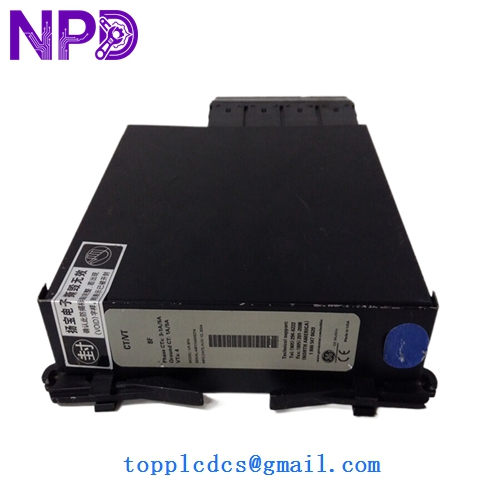
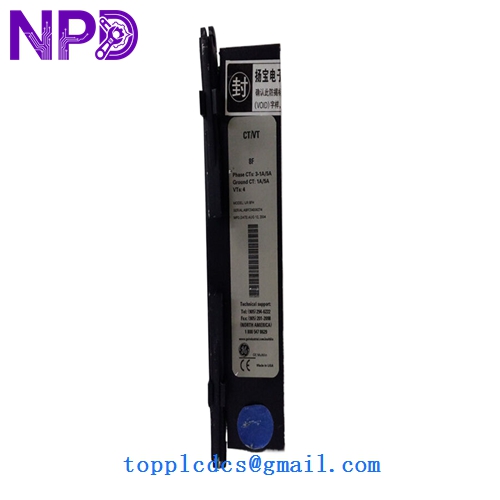

Description
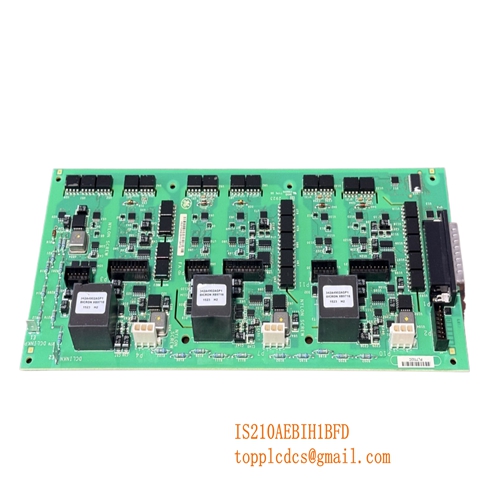
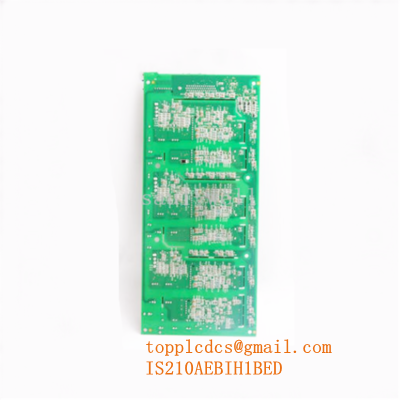
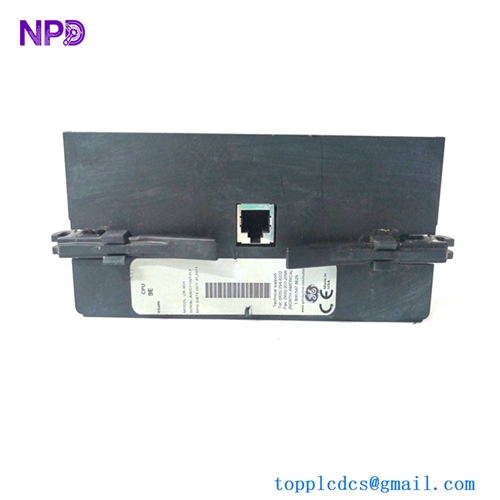
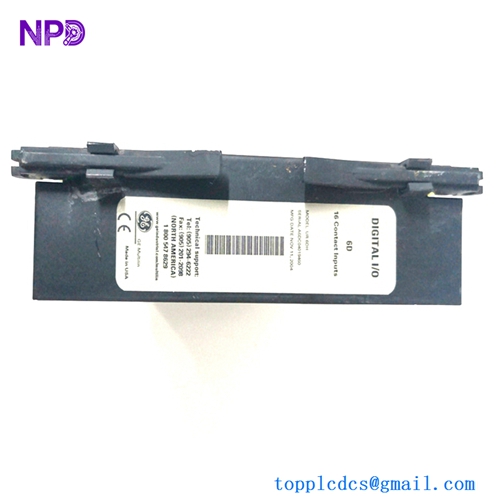
- Model: GE UR8FH
- Brand: General Electric (GE Verova / Baker Hughes)
- Series: Mark VIe / Mark VIeS Control System
- Core Function: High-resolution pulse input and speed measurement for steam/gas turbines
- Product Type: Speed Interface Module (Universal)
- Key Specs: Supports Passive/Active pickups Triple Modular Redundancy (TMR) compatible SIL 3 capable
Key Technical Specifications
- Input Channels: Supports multiple magnetic pickups (MPUs) or active speed sensors
- Frequency Range: 0.5 Hz to 20,000 Hz (Ultra-high resolution)
- Accuracy: Rated for utility-grade overspeed protection
- Redundancy: Designed for TMR (Triple Modular Redundant) configurations in Mark VIeS systems
- Pulse Type: Square wave or Sine wave (Configurable thresholds)
- Isolation: High-speed digital isolation between field inputs and IONet
- Diagnostics: Real-time monitoring of sensor health, open circuits, and short circuits
- Power Supply: 28 V DC (Nominal) via the Mark VIe backplane/terminal header
- Communication: Communicates via dual/triple IONet (Ethernet-based)
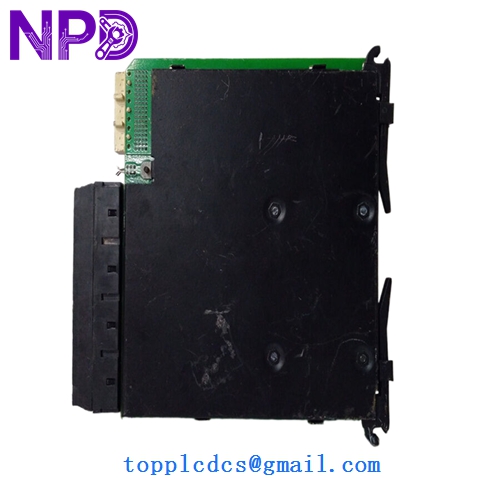
UR8FH
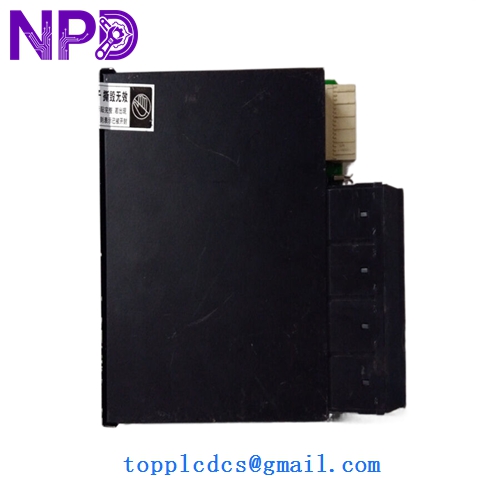
UR8FH
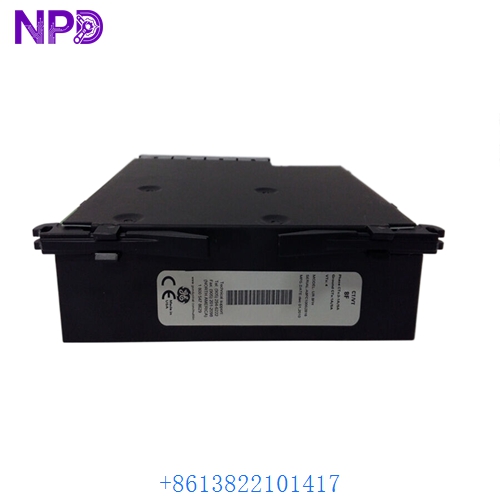
GE UR8FH
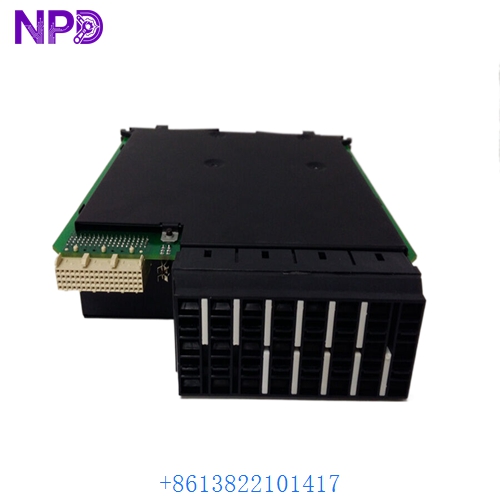
GE UR8FH
Installation & Configuration Guide
Phase 1: Preparation (Pre-Installation)
Estimated time: 15 minutes
⚠️ Safety Warning:
- The UR8FH is often used for Overspeed Protection. Failure to configure this correctly can lead to catastrophic turbine failure.
- If the turbine is running, ensure your system is in a healthy TMR state before attempting a hot-swap.
- Verify the sensor type (Active vs. Passive) to ensure the jumpers/configuration match the field wiring.
Required Items:
- Toolbox ST (GE Configuration Software).
- ESD wrist strap.
- High-impedance multimeter.
Phase 2: Hardware Slot & Jumper Verification
Estimated time: 10 minutes
Step 1: Check the Terminal Board The UR8FH usually mates with a TRPA or TRPG terminal board. Ensure the pins on the back of the module are straight. In my experience, even a slightly bent pin can cause intermittent “IONet Loss” alarms.
Step 2: Jumper Settings If your terminal board has hardware jumpers for sensor excitation (e.g., 24V for active probes), verify they match the old module’s configuration.
Phase 3: Replacement & Commissioning
Estimated time: 20 minutes
- Extraction: Unlatch the module and pull it straight back from the header.
- Insertion: Align the UR8FH and seat it firmly. Tighten the mounting screws to ensure proper grounding.
- Software Sync:
- Open Toolbox ST.
- The module should be detected on the IONet.
- Download the hardware configuration to the module.
- Important: Verify the “Pulse per Revolution” (PPR) setting matches your gear tooth count.
- Functional Test: Once the turbine is at “turning gear” speed, verify that all speed channels are reporting consistent, low-speed values before proceeding to start-up.
Customer Cases & Industry Applications
Case 1: Combined Cycle Plant Overspeed Trip A power plant in the UK experienced a nuisance trip during a turbine ramp-up because one speed channel on a UR8FH began drifting due to thermal fatigue on its input circuit. We supplied a New Surplus UR8FH within 48 hours. The module was swapped, the PPR settings verified, and the plant successfully returned to base load, avoiding further liquidated damages for failure to supply the grid.
Case 2: Gas Turbine Control Upgrade A customer in the Middle East was upgrading a legacy Mark VI system to Mark VIe. They required four UR8FH modules to handle both the primary speed control and the independent emergency overspeed protection. By purchasing New Surplus units, they achieved the same SIL 3 reliability as factory-new parts while saving 30% of their hardware budget.
Frequently Asked Questions (FAQ)
Q: Can I use UR8FH in a SIL 3 safety system? A: Yes. The UR8FH is a core component of the Mark VIeS (Safety) system. When used in a TMR configuration, it provides the high-integrity speed monitoring required for SIL 3 safety functions.
Q: Does this module require a separate power supply? A: No. It draws its power directly from the Mark VIe terminal board/backplane. However, you must ensure the 28 V DC supply to the rack is stable.
Q: What is the difference between UR8FH and older speed modules? A: The UR8FH offers much higher resolution at low speeds (near zero) and faster processing for overspeed detection. It also features improved diagnostics that can distinguish between a failed sensor and a broken cable.
Q: Why buy “New Surplus” for a safety-critical part? A: “New Surplus” means the part has never been energized in a plant. It has sat on a shelf as a spare. It offers the same MTBF (Mean Time Between Failures) as a part fresh from the factory, but without the “factory lead time” which is currently quite long for Mark VIe gear.
Q: How do I verify the PPR (Pulse per Revolution)? A: This is usually found in your turbine’s technical manual or by counting the teeth on the speed gear. If you set this incorrectly (e.g., setting 60 instead of 120), the turbine will think it is running at half-speed and will likely overspeed, which is extremely dangerous. Always double-check this in Toolbox ST!