
Description
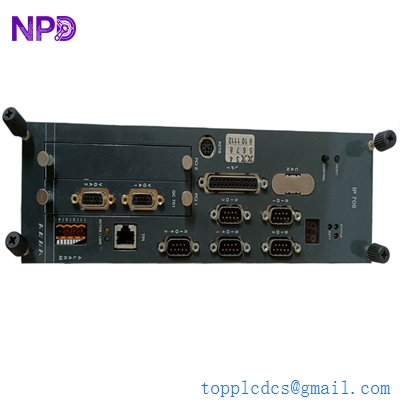
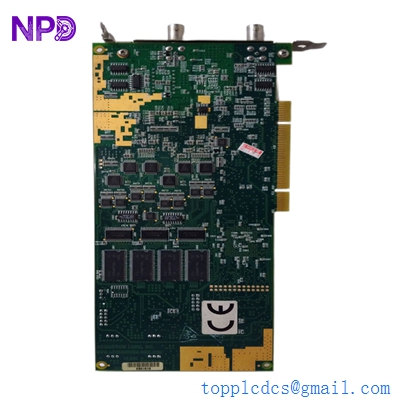
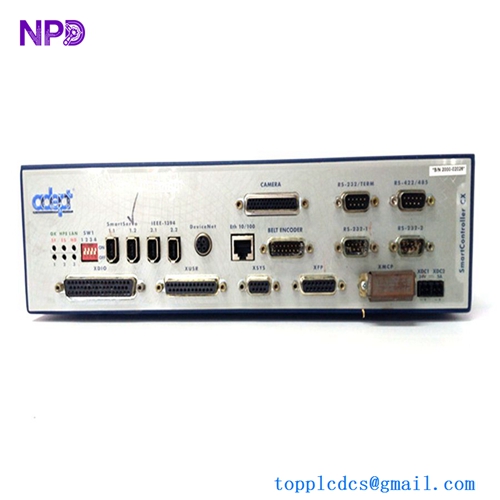
The GPV Elbau Electronics Stella 609002110 and 609008210 are heavy-duty industrial processing modules engineered for the Gamma CPU platform control architecture. These computing cards function as the central processing unit (CPU) within automated production lines, picking systems, and specialized manufacturing machinery. Built with rugged component layouts, they deliver rapid processing cycle times, precise multi-axis coordination, and stable logic control in environments subject to continuous operation and high electrical noise.

Technical Specifications
- Series Base: Stella Gamma CPU Framework
- Model Configurations: 609002110 / 609008210 A
- Dimensions: 165 mm x 105 mm x 28 mm
- Weight: 0.46 kg
- Country of Origin: Switzerland / Germany
- Architecture: Embedded real-time processing core
- Interface Matrix: Integrated onboard system bus links, serial diagnostic channels, and communication indicators
Application Areas
⚙️ Automated Manufacturing and Assembly Lines
🏭 Industrial Material Handling and Pick-and-Place Systems
📦 High-Speed Packaging Machinery Controls
📉 Centralized Process Synchronization Racks
🤖 Production Cell Master Coordination Panels
Operational Guidelines
Power-Up / Power-Down Sequence
- Startup: Completely isolate the main system rack or sub-assembly housing from active electrical sources. Align the Stella Gamma card edge precisely with the enclosure’s slot rails and push inward until the backplane contacts interface tightly. Apply the main system logic power supply. Monitor the boot cycle; the front diagnostic LEDs will execute an automated memory validation check before transitioning to a steady state that proves active application program execution.
- Shutdown: Halt all connected machine movements and download any unsaved operational variable registries to persistent storage. Disconnect the primary system rack power breaker. Allow all residual electrical potentials across the backplane to bleed away entirely before utilizing appropriate card pulling tools to remove the board.
Step-by-Step Standard Operation
- Address Identification: Verify that any required hardware address switches or jumpers on the board face match your system schematic map prior to slotting.
- ESD Protection: Wear a properly grounded anti-static wrist strap before handling the processing card to prevent electrostatic breakdown of internal logic chips.
- Module Insertion: Lock the board into its dedicated slot, ensuring the top and bottom retention latches engage firmly with the sub-rack frame.
- Firmware Sync: Connect your development terminal to the diagnostic port to confirm that the downloaded program revision matches the machine’s configuration parameters.
- Task Initiation: Switch the CPU run-key or software mode register from “Stop/Program” to “Run” to enable automatic logic execution across the machine network.
Frequently Asked Questions
Q: What is the primary operational difference between the 609002110 and 609008210 A versions? A: These model variants represent different memory configurations or manufacturing circuit revisions within the core Stella Gamma framework. They generally share consistent backplane connections but must be verified against your machine’s software build for proper execution capability.
Q: What does a flashing red fault indicator on the CPU faceplate mean? A: A flashing red indicator typically flags an internal memory checksum exception, a watchdog timer timeout, or a serious application logic execution error. Connect a programming terminal to inspect the internal error buffer logs.
Q: Can this module be hot-swapped while the production machinery is actively running? A: No. Removing or inserting a primary CPU processing card while the sub-rack bus is energized can corrupt volatile application registers, trigger widespread emergency stop sequences, and damage peripheral I/O modules.