Description
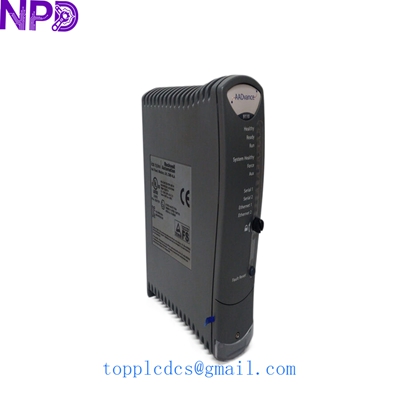
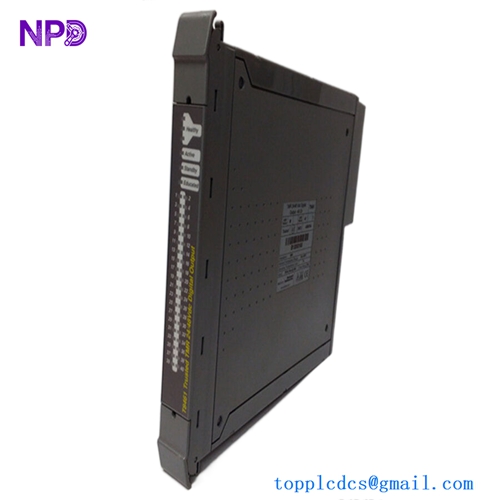
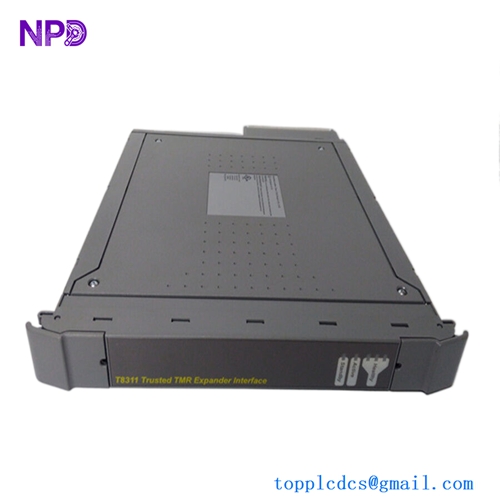
- Model: ICS Triplex T9110 (Rockwell Automation AAdvance)
- Brand: ICS Triplex / Rockwell Automation
- Series: AAdvance Safety Instrumented System (SIS)
- Core Function: High-availability distributed safety processor for SIL 3 installations, New Surplus condition
- Type: Main Logic Processor Module (CPU)
- Key Specs: 24 V DC system bus powered, dual redundant or triple modular redundant (TMR) structural scaling, 100 Mbps dual Ethernet channels
- System Voltage Requirements: 24 V DC backplane interface distribution
- Power Dissipation: 6 W maximum operating draw
- Safety Compliance: Certified up to SIL 3 according to IEC 61508 standards
- Hardware Fault Tolerance (HFT): Capable of configuring 0, 1, or 2 depending on architecture layout (Dual or TMR modes)
- Processor Architecture: High-speed dedicated industrial microprocessing subsystem
- Onboard Execution Memory: 4 MB parity-protected high-speed execution SRAM
- Communication Matrix: 2x 100 Base-T Ethernet ports, 2x RS 485 serial interfaces supported on base units
- Local Indicator Array: Integrated multi-LED diagnostic strip (Healthy, Ready, Run, Force, Serial, Ethernet links)
- Form Factor Integration: Narrow vertical Eurocard plug-in module with mechanical orientation alignment pins
- Coating Protection: Conformal coated circuit assemblies standard for harsh chemical defense
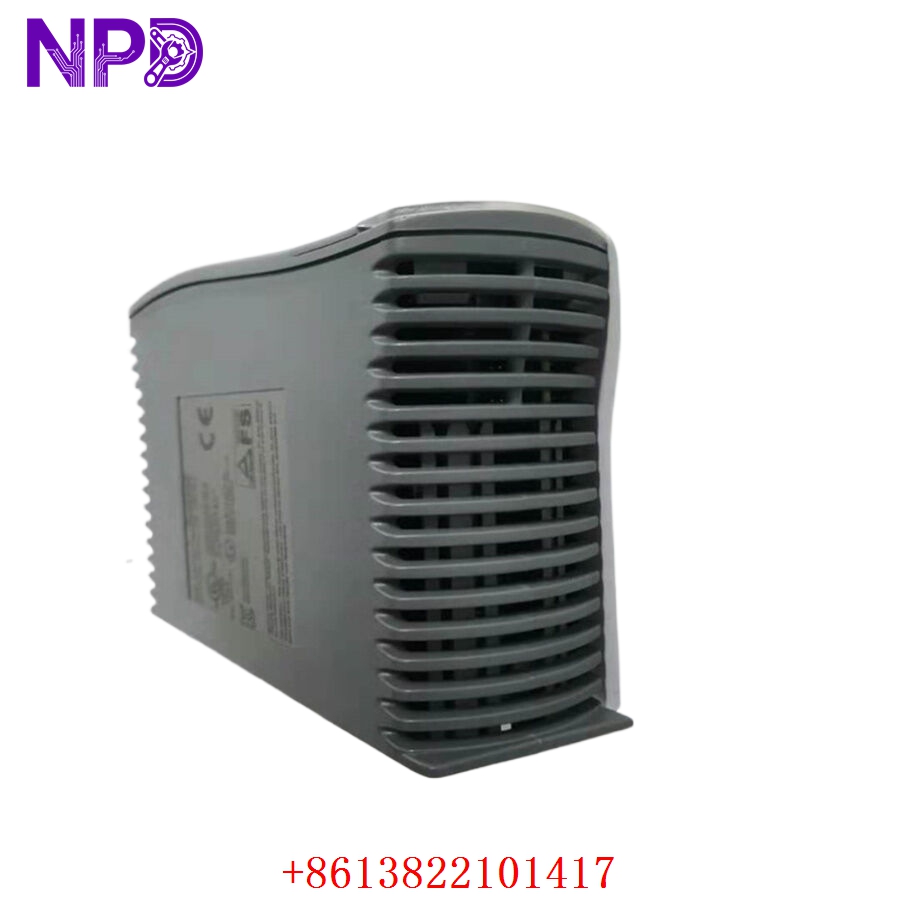
ICS TRIPLEX T9110
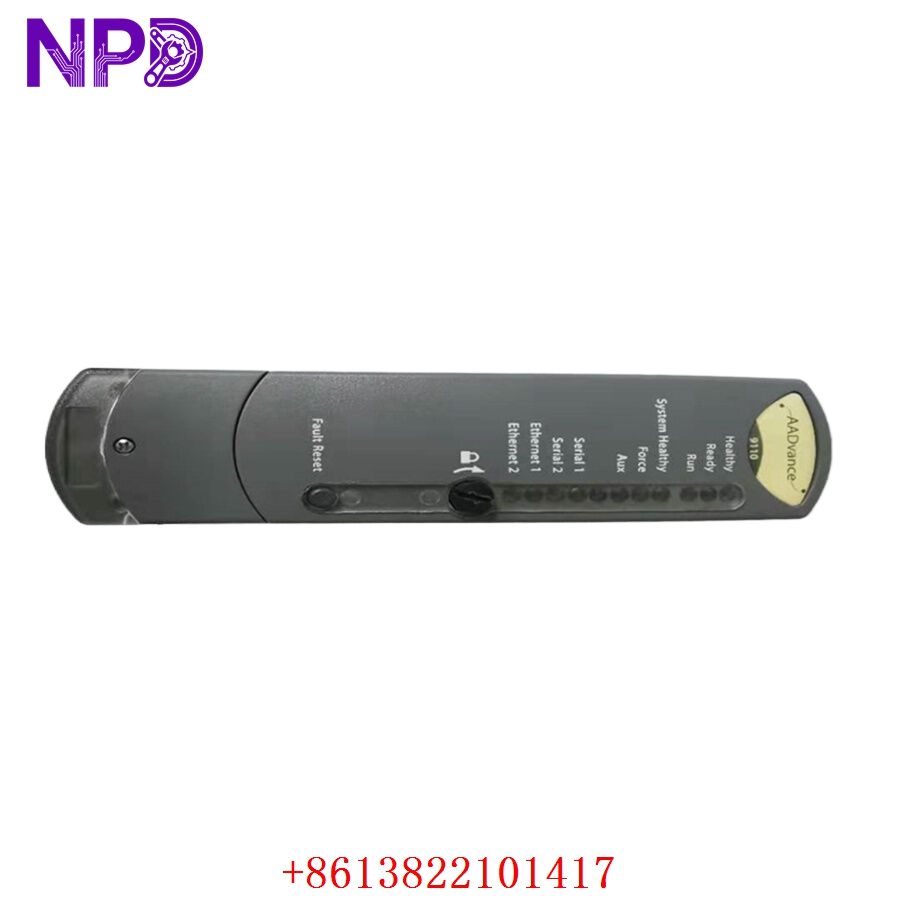
ICS TRIPLEX T9110
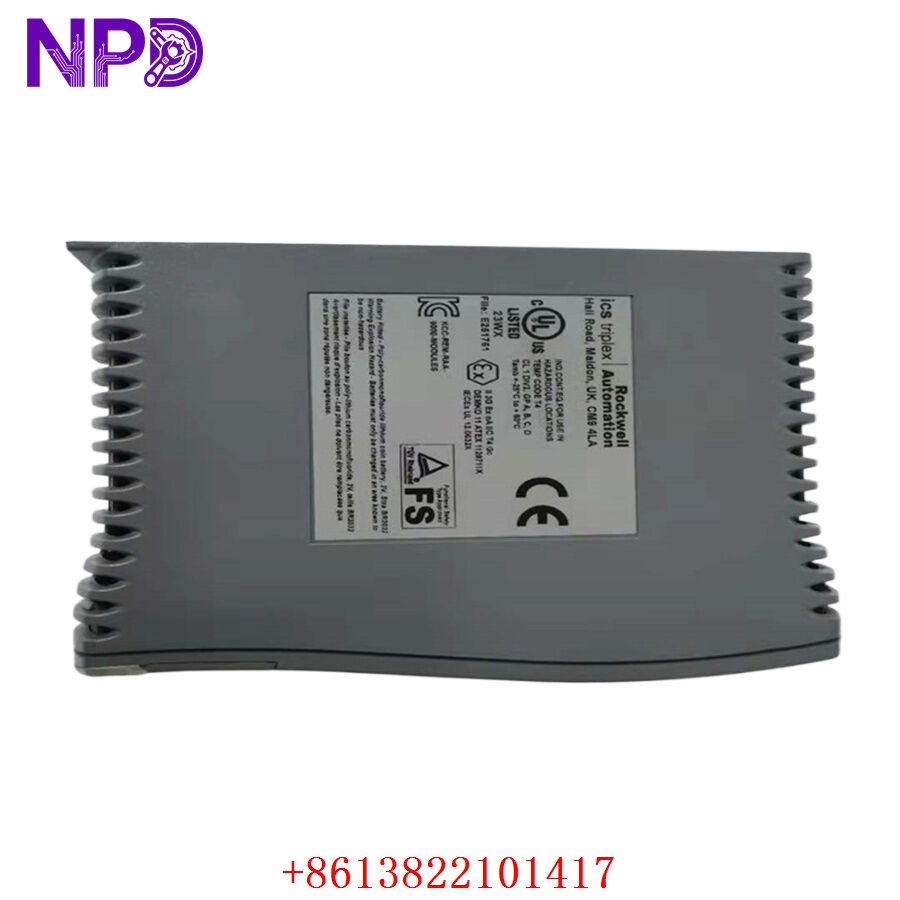
ICS TRIPLEX T9110
Application Scenarios & Pain Points
In functional safety, the logic solver cannot experience lag or random synchronization drops. In petrochemical setups running large-scale boiler systems or toxic gas distribution lines, losing a processor module usually causes an unmanaged plant shutdown event. When an asset engineer faces an aging component stack, locating an original, fully tested replacement board is a direct race against time. The biggest hurdle with these safety systems is finding surplus components that have been verified on an actual test chassis rather than just pulled out of a scrapped panel with zero validation paperwork.
Typical Application Scenarios
- Upstream Oil & Gas – High-Pressure Protection Systems (HIPPS)
Monitors emergency pipeline isolation valves to block catastrophic overpressure events before they travel downstream.
- Refining – Critical Burner Management Units (BMS)
Executes safe fuel valve line sequencing, purge cycles, and optical flame monitoring sweeps across main utility boilers.
- Chemical Processing – Toxic Gas Mitigation Systems
Trips deluge valves and air handler curtains immediately when chemical cross-contamination parameters are verified on field loops.
Real-World Field Case: Resolving a TMR Desynchronization Lock
Background: A deepwater gas processing plant operating in the South China Sea used a Triple Modular Redundant (TMR) configuration of three AAdvance modules to manage their subsea manifold emergency break loops.
The Problem: During a planned safety loop validation drill, one of the three parallel running modules threw a critical internal fault. The “System Healthy” indicator went dark. While the system’s voting matrix kept the plant online via the remaining two modules, the overall platform architecture dropped from a TMR layout down to a degraded dual-fault setup. A secondary failure would force an immediate complete gas platform trip, costing millions in daily revenue.
The Solution: The technical lead contacted our parts desk. We verified a matching hardware revision from our stock warehouse, passed it through our in-house test rack running an AAdvance backplane verification cycle, and put it on a high-priority delivery run to the platform’s supply helicopter base.
The Result:
- Transport Turnaround: Unit delivered to the offshore platform hub within 30 hours of initial notification.
- Execution: The platform control team slipped out the faulted module, slotted the replacement unit into place without shutting down the system, and watched the internal clock match up with the running loop without configuration loss.
Compatible Replacement Models
When handling replacements inside an active AAdvance rail system, you must trace the exact suffix or revision structure to prevent system build rejections in the Workbench configuration manager.
- T9110 (Latest Revision Variant) → Direct Drop-in Replacement
- Differences: Minor hardware component revisions to fix long-term heating trends. It runs the exact same compiler structures.
- Action Required: Slide out the legacy hardware block, replicate the locking pin positions, and slide the replacement piece onto the backplane tracks.
- T9100 Series Modules → Hardware Incompatible Modification Required
- Differences: These represent the early architecture releases for distinct safety rails. The spacing profiles and backplane pinning frameworks do not match up.
- Recommendation: Do not attempt to wedge these into newer layouts; it can scratch the gold backplane traces.
Troubleshooting Quick Reference
When managing a high-stress fault event in the middle of a night shift, utilize this table to isolate processor issues from field network problems.
| Local Indication | Probable Failure Mechanism | System Level Priority | Field Diagnostic Check | Immediate Remediation Strategy |
| “Healthy” LED is solid off; other units active | Core board hardware fault or watchdog drop | ✅ High | Check if neighboring voted processors show communication mirror errors on their link loops. | Disengage the module lock toggle, slide the piece out, and replace the board. The system will auto-rebuild loop synchronization. |
| “Force” LED illuminated amber | An active variable override is set in the software layer | ❌ Low | Connect your local engineering terminal running AAdvance Workbench. Look up the force variables list. | This is an engineering settings choice, not a card fault. Clear any leftover validation overrides once loop tuning wraps up. |
| “Ethernet 1” link LED dark during system boot | Mismatched port termination or bad trunk patch cable | ⚠️ Medium | Run a physical cable tester sweep across the RJ45 link path going back to the root network switch. | Swap the patch cable or check if the corresponding switch port configuration has locked out the link speed. |
| “Ready” LED blinks slowly (0.5 Hz rate) | Firmware version mismatch against active peer modules | ✅ High | Use the workbench connection utility to pull the bootloader and firmware log files from the slot. | The module firmware version must be matched to the existing peer array. Flash the matching revision block to clear the lock. |
❗ CRITICAL SYSTEM REPLACEMENT NOTE: The AAdvance platform allows for hot-swapping processor cards while the control loops remain energized. However, you must verify that the remaining peer module or module pair is showing a solid green “Healthy” light before pulling any faulty board out of its backplane slot. Removing a card while its redundant peer is in an unverified state will drop the entire safety matrix instantly.
If your field automation team needs to confirm a specific module build version or requires an look at our actual test bench logs before shipping out an order block, don’t hesitate to reach out. Our technical team can pull live verification data for you within two hours.