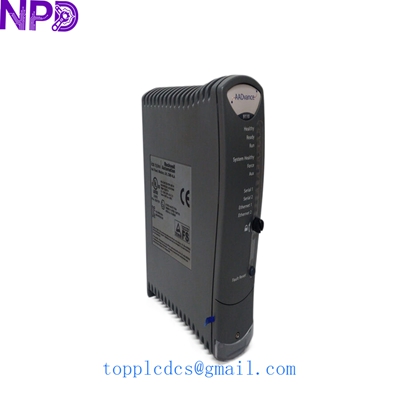
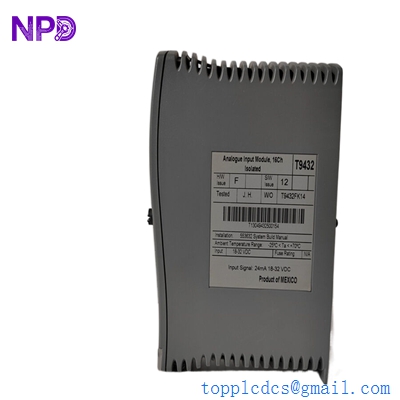
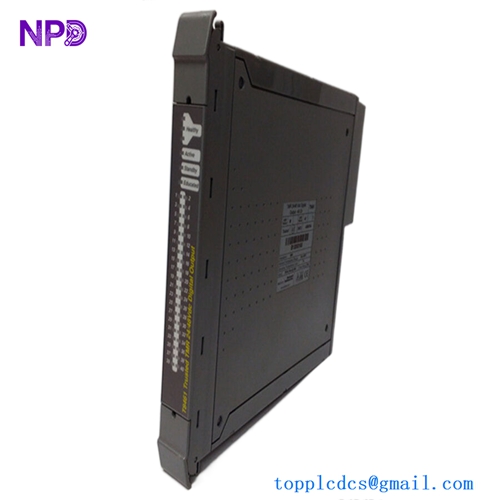
Description
- Model: ICS Triplex T9110
- Brand: ICS Triplex (Part of Rockwell Automation)
- Series: Trusted TMR (Triple Modular Redundant)
- Core Function: Acts as the central processing unit in a TMR safety system, executing safety-critical logic with fault-tolerant reliability.
- Product Type: TMR Processor Module
- Key Specs: Triple redundant architecture, real-time deterministic execution, SIL 3 safety integrity
- Architecture: Triple Modular Redundant (TMR) for “fail-safe” and “fault-tolerant” operation
- Processing: Real-time deterministic execution of safety logic (Voting logic)
- Safety Rating: Certified for SIL 3 (IEC 61508) high-integrity applications
- Communication: Peer-to-peer communication between processors; high-speed backplane integration
- Diagnostics: Comprehensive internal diagnostic coverage (self-checking)
- Environmental: Rated for harsh process industry control rooms
- Power: Integrated power monitoring and redundant power bus support
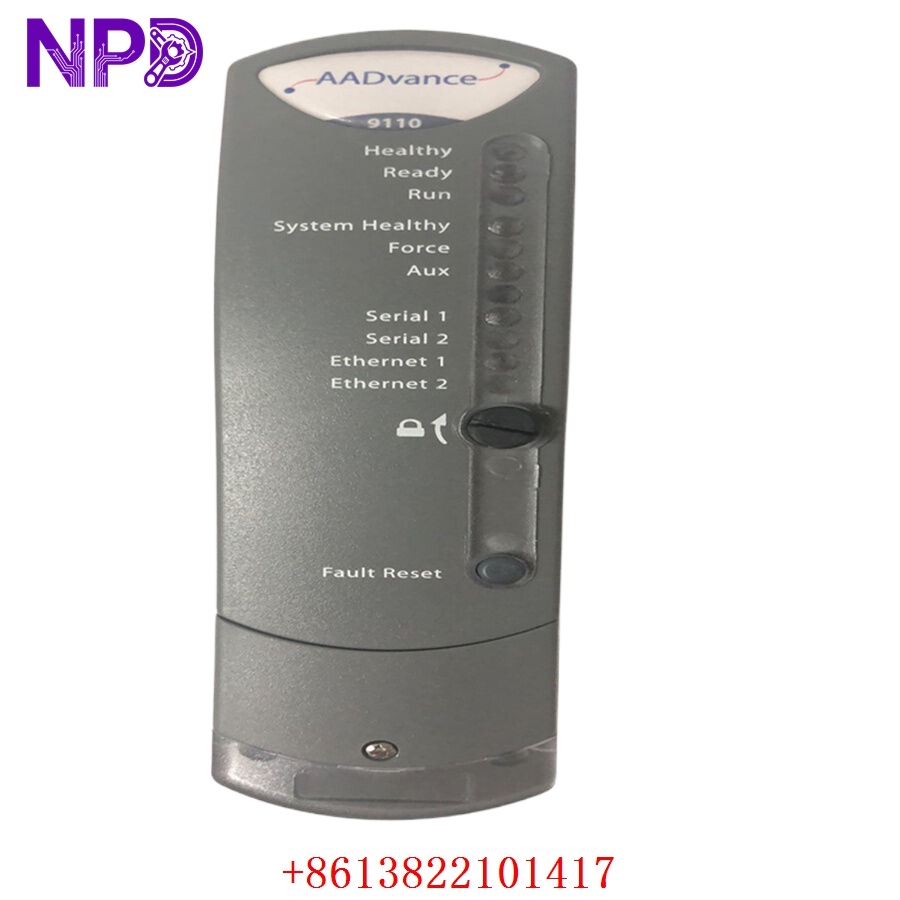
TRIPLEX ICS T9110
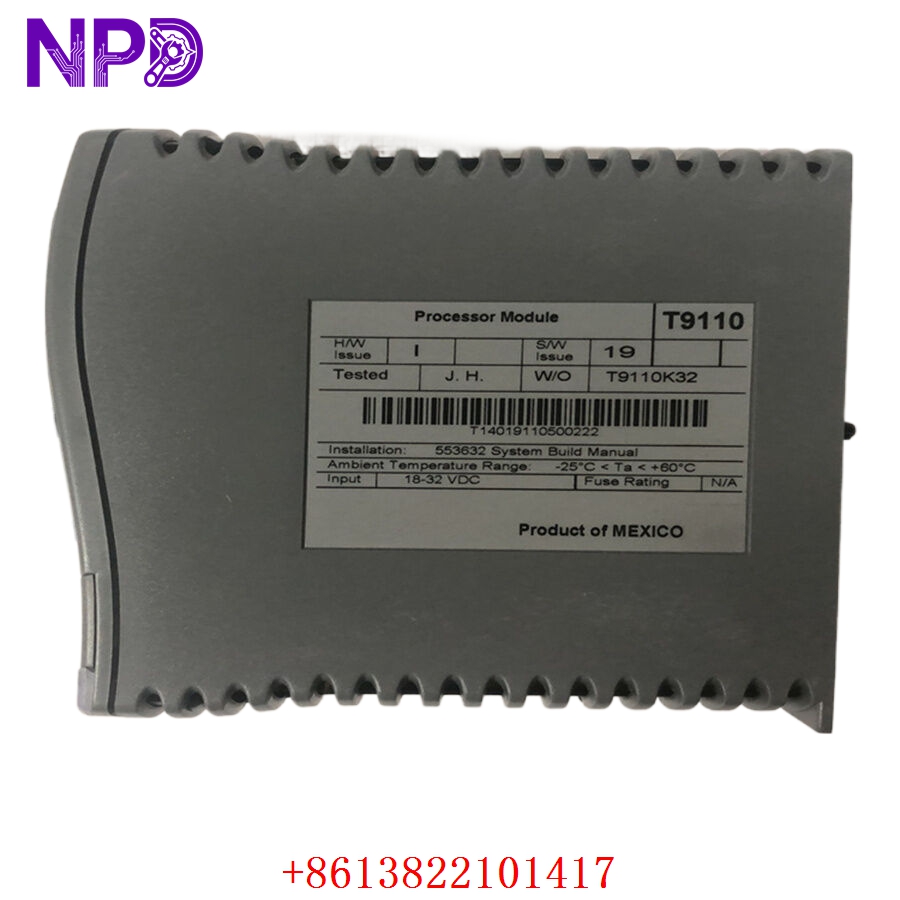
TRIPLEX ICS T9110
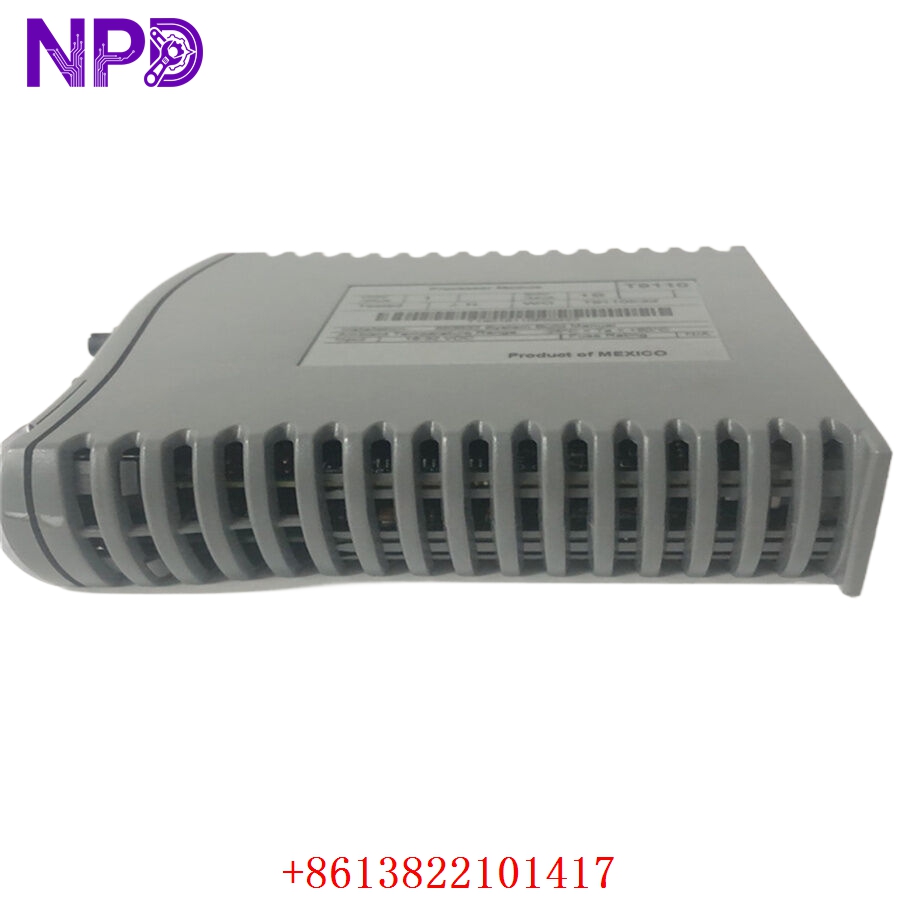
TRIPLEX ICS T9110
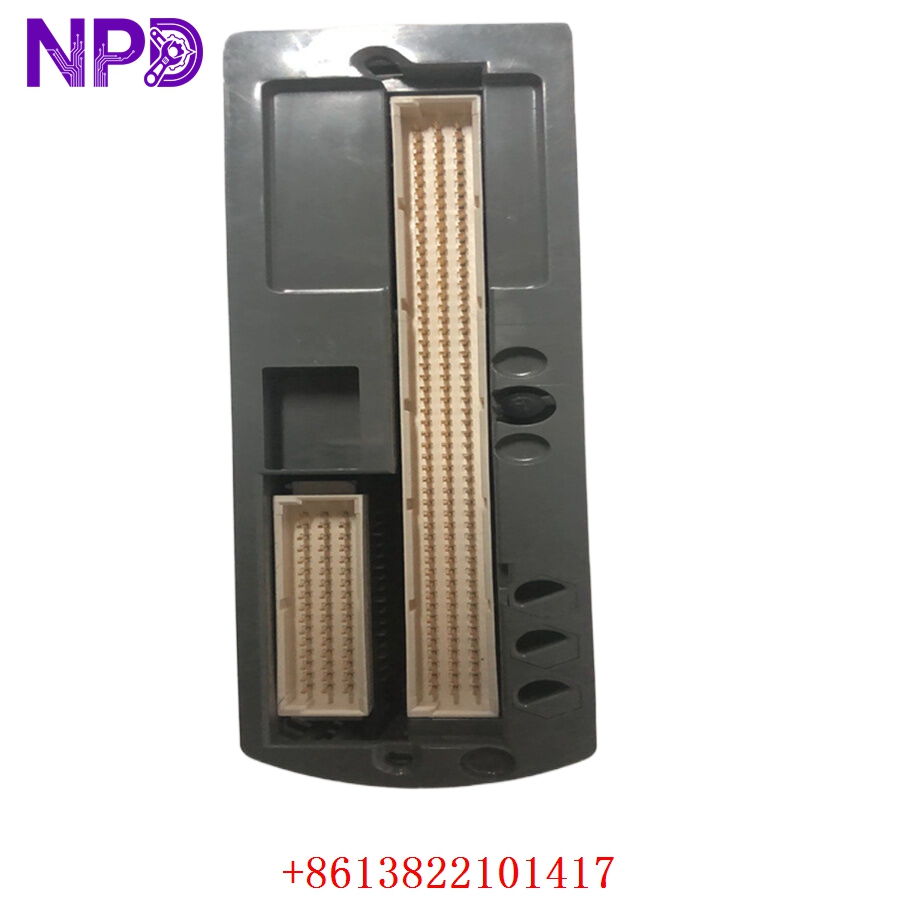
TRIPLEX ICS T9110
Application Scenarios & Engineering Pain Points
The T9110 is the brain of the Trusted TMR system, used where the cost of failure is catastrophic. The primary engineering challenge for this module is “Synchronous Startup.” Because it operates in a TMR configuration, all three internal processors must synchronize their clock cycles and logic states perfectly. If a processor module is replaced, it must perform a “hot-join” or “synchronized boot.” If the logic or firmware in the new module does not perfectly match the existing two active modules, the system will refuse to synchronize, maintaining a fault state to protect the process.
Typical Application Scenarios:
- Oil & Gas – Emergency Shutdown Systems (ESD) Controls critical pipeline valves and fire/gas detection logic.
- Power Generation – Turbine Protection Provides overspeed protection and critical turbine trip logic.
- Chemical Industry – High-Pressure Reactor Control Ensures safe containment and automated quenching in runaway reaction scenarios.
Case Study: SIS System Restoration A refinery experienced a processor module fault in their ESD system. Because the system was TMR, the process stayed online, but they were running “degraded” (no longer redundant). By sourcing a T9110 with the exact hardware and firmware revision, the technicians were able to perform a safe hot-swap. The module synchronized with the existing processors within seconds, restoring full redundancy without interrupting the plant’s output.
Troubleshooting Quick Reference
If you see a “Processor Fault” on the Trusted system diagnostic station, follow the TMR diagnostic sequence—do not rush to pull modules.
| Failure Symptom | Possible Cause | Quick Check Method | Recommended Action |
|---|---|---|---|
| “Fault” LED Red | Internal Logic/Parity Error | Check Diagnostic Station logs | Review error code; re-sync processor |
| Sync Failed | Firmware Version Mismatch | Compare firmware version vs. others | Ensure all modules are on the same rev |
| I/O Communication Loss | Backplane Interface Issue | Inspect pins on processor base | Clean connections; ensure flush fit |
| Unexpected Trip | Transient Noise | Check grounding and shielding | Verify all IS barriers/shields are tight |
Engineer’s Note: ❗ Crucial Advice: Never replace a T9110 without verifying the system state first. Check if the system is currently “Tripped” or “Running.” Replacing a processor while the system is actively holding a safety-critical process in a specific state can cause a logic transition if the new processor boots with a different default configuration. Always perform a “Read-Back” of the existing logic file from the faulty unit if possible before pulling it from the rack.