
Description
📝 Product Overview
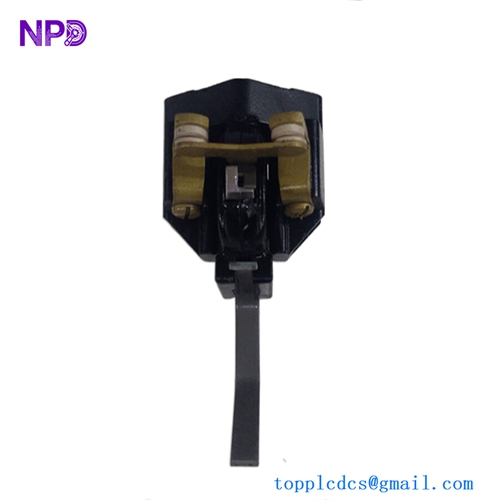
The Kongsberg Lilaas LF12164 ESS is a highly reliable, dual-axis electronic marine control lever assembly designed for integration into advanced Electronic Propulsion Control (EPC) and Dynamic Positioning (DP) systems. This specific “ESS” variant features integrated electronic sensor synchronizers and specialized internal detent plates, allowing for precise, tactile command output of shipboard thrusters and main engine propulsion units. The unit comes complete with factory-terminated heavy-duty wiring harnesses and military-grade circular connectors to ensure optimal signal integrity in high-vibration maritime environments.
⚙️ Technical Specifications
- 📐 Dimensions: 142 mm x 142 mm x 210 mm (Above panel height; console depth requirement: 125 mm)
- ⚖️ Weight: 2.85 kg (Lever unit only, excluding heavy-duty cable assemblies)
- 🌍 Country of Origin: Norway
🚢 Applications
- Automated marine propulsion networks (Controllable Pitch Propeller systems)
- Reversible azimuth thruster maneuvering consoles
- Dynamic Positioning (DP) master bridge console references
- Heavy-duty offshore winch and specialized crane speed controllers
🛠️ Usage Instructions
- Do not pull or put excessive tension on the pre-installed wiring harnesses during unboxing or installation, as this can degrade the internal weather seal paths.
- Confirm that the manual mechanical friction brakes or spring-return center parameters match the vessel’s operational safety protocol before applying power.
- Use the system’s software configuration interface to accurately calibrate the minimum/maximum stroke endpoints and the absolute mechanical zero-thrust position.
- Avoid using high-pressure spray washdowns directly on the base plate; clean the lever handle with an electronics-safe damp cloth.
🔧 Mechanical Installation Requirements
- Fixing Method: Front panel flush mounting into the navigation bridge desk console or wing control panels using four M5 marine-grade stainless steel fasteners through the pre-drilled top plate corners.
- Space Clearance: Ensure a minimum clearance layout depth of 150 mm beneath the mounting surface to allow for the minimum bending radius of the specialized heavy-duty cable trunks.
- Heat Dissipation: Relies on passive thermal cooling. Ensure the inside of the console desk remains dry, unblocked, and maintains an air temperature profile below 55°C.

🔌 Electrical Wiring Guide
- Terminal/Connector Pinouts: * Plug A (Primary Sensor Array): Dedicated contact-free potentiometers supplying dual 0–5V DC or 4–20 mA proportional feedback control outputs.
- Plug B (Control Logic): Standard binary microswitches mapped to neutral interlocks, detent position gates, and remote system handover triggers.
- Cable Shielding: High-density tinned copper braid wrapping around all internal conductors.
- Wire Gauge: Pre-wired factory cable assembly uses 0.5 mm² (20 AWG) multi-strand copper lines for control switches and 0.75 mm² (18 AWG) shielded twisted lines for core signal telemetry.
- Grounding Norms: The integrated cable shields must be grounded firmly to the central instrumentation ground plate inside the console assembly. The lever housing relies on a dedicated external earth line bonded to the ship’s steel hull structure.
📡 Communication Configuration
- IP Address: Not applicable. This model utilizes direct analog signaling and physical binary contacts to interface with the main automation controllers.
- Station ID: Not applicable on standalone hardware configurations. If linked to an auxiliary CAN/serial communication module, set the bus node index via the external transceiver module’s switch blocks.
- Baud Rate: Not applicable for direct analog execution; provides immediate, near-zero latency hardware feedback response.
❓ Frequently Asked Questions (Q&A)
- Q: Can the physical detents (clicks) be adjusted or relocated on this lever?
- A: Internal mechanical detent profiles are set by precision-machined internal guide plates. Modifying the gate layout requires opening the base enclosure and replacing the factory detent plate inserts.
- Q: What should I do if the automation system reports an “Analog Signal Out of Bounds” error?
- A: Inspect the cable assembly connectors to ensure the locking rings are fully engaged, check the pins for moisture contamination, and verify that the 5V DC reference supply from the controller hasn’t dropped.
- Q: Are the supplied cables completely oil and heat resistant?
- A: Yes, the factory-supplied wiring harnesses feature premium marine-grade cross-linked polyolefin or polyurethane jacketing designed to resist hydraulic oil exposure, moisture, and temperatures up to 90°C.