
Description
🌐 Product Overview
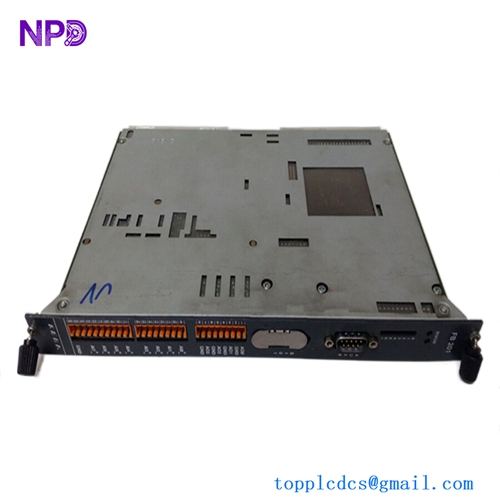
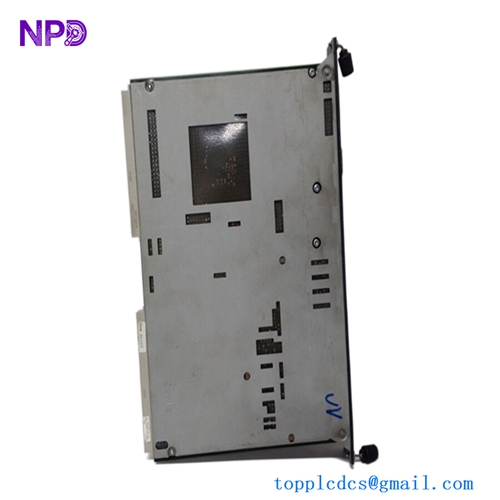
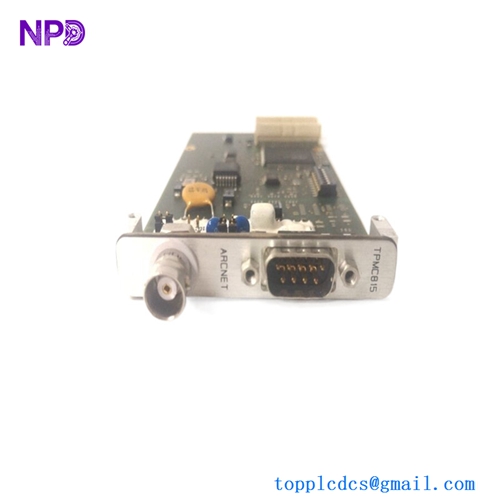
The Wartsila RT-flex FCM-20 is a high-performance, marine-certified embedded control module designed specifically for Wartsila RT-flex electronically controlled common-rail common rail engines. As a core component of the Wartsila Engine Control System (WECS-9520), the FCM-20 manages localized cylinder logic, precise fuel injection timing, exhaust valve actuation, and starting air synchronization. Engineered to survive the intense heat and vibration profiles of heavy marine diesel and dual-fuel engine blocks, this module guarantees highly deterministic real-time control, lower exhaust emissions, and optimal fuel efficiency across all load variations.

⚙️ Technical Specifications
- Series: RT-flex WECS Automation Component Architecture
- Dimensions: 285mm x 210mm x 90mm
- Weight: 4.60 kg
- Origin: Switzerland / European Union
- Microprocessor Core: Dual-core high-speed real-time processing engine
- Operating Voltage: 24V DC nominal (18V to 32V DC wide industrial input window)
- Communication Pipelines: Redundant, isolated high-speed CAN bus networks and RS-485 serial loops
- Enclosure Rating: IP67 (Fully dust-tight and resistant to high-pressure oil spray when mated with heavy-duty marine connectors)
🚀 Application Fields
- Large Bore 2-Stroke Engines: Core electronic management for Wartsila/WinGD RT-flex series main propulsion machinery on container ships, VLCCs, and bulk carriers.
- Common-Rail Control Matrices: Localized cylinder control managing high-pressure fuel injection valves (ICUs) and exhaust valve actuators (VCUs).
- Dual-Fuel Engine Synchronization: Managing alternative fuel gas injection timing windows safely alongside liquid pilot fuel profiles.
- Marine Automation Retrofits: System upgrade path for legacy mechanical marine engines transitioning to modern electronic efficiency compliance.
📖 Product Instructions
- Engine Block Mounting: Fasten the FCM-20 module securely onto the engine’s integrated, vibration-isolated terminal box rail frame. Tighten the heavy-duty mounting bolts to the factory-specified torque setting to resist structural harmonic stress.
- Cabling Connection: Connect the pre-formed wiring harness to the heavy-duty round multi-pin connectors. Ensure the integrated sealing gaskets are positioned properly to block moisture and oil mist ingress.
- Module Interlocking: Configure the module’s cylinder designation address or network ID node through the WECS configuration terminal to introduce the replacement unit into the primary multi-node engine bus network.
✅ Initial Startup Checklist
- Verify that the primary 24V DC bus line is stable and that the engine’s main grounding strap is completely bonded.
- Confirm that all wiring harness locking collars are turned fully clockwise and clicked into their designated detents.
- Power up the WECS system and verify that the module’s green status LED flashes its standard runtime rhythm, indicating no bootloader or firmware errors.
- Access the main engine workstation (MOP) to confirm that the new FCM-20 node is recognized by the system and actively synchronizing parameters across all active cylinders.
🛠️ Maintenance & Care
- Connector Tightness Audits: Visually inspect the heavy-duty wiring harness connectors every three months to verify that thermal cycling has not backed off the locking rings.
- Housing Cleansing: Keep the aluminum heatsink cooling fins clear of heavy soot accumulation or thermal grease breakdown to maintain optimal heat dissipation.
- Diagnostic Log Mining: Routinely download and inspect the module’s localized error logs via the engineering tool to identify transient valve coil resistance shifts or communication dropouts early.
⚠️ Safety Precautions
- High-Pressure System Safeguards: Never disconnect field wiring from the FCM-20 while the engine’s common-rail fuel or servo oil systems are pressurized to avoid accidental high-pressure spray hazards.
- Strict Power Off Compliance: Ensure the main control power supply breaker is locked and tagged out before unseating or plugging any module connection harnesses.
- Vibration Boundary Defense: Never operate the engine if the module’s specialized rubber anti-vibration dampers are cracked, torn, or compressed flat, as excessive vibration will drastically shorten electronic component lifespans.
🔍 Troubleshooting & FAQ
- Q: The main workstation alerts a “Cylinder Communication Failure” on the slot assigned to this module.
- A: This message indicates a breakout on the local CAN bus sub-ring. Check for physical damage to the communication harness line, verify that the terminating plugs are secure, and check that the module’s node address matches its cylinder assignment.
- Q: The module power indicator is dead despite active voltage readings on the incoming line.
- A: This generally points to a blown internal power protective fuse caused by an external field component short circuit (such as a shorted solenoid valve coil). Disconnect the valve outputs and test the module lines to locate the short circuit before attempting replacement.
- Q: Is a unique firmware flash required when moving an FCM-20 module from one cylinder slot to another?
- A: The underlying firmware layout is standard across the engine array; the module reads its specific functional mapping from its physical node ID or slot configuration. However, ensuring identical firmware revision match-ups across all cylinders on the block is required to prevent timing offsets.