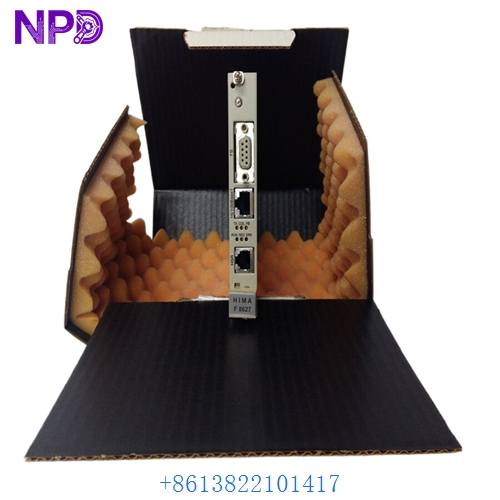
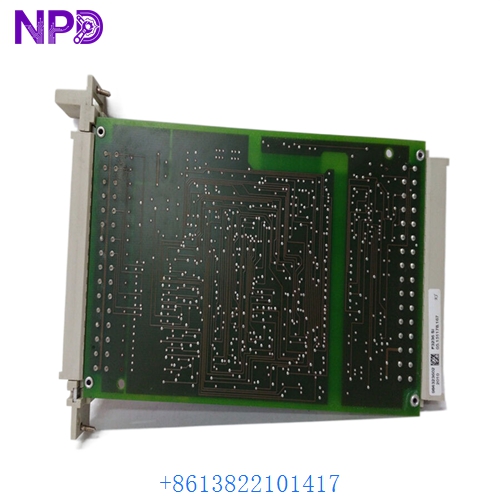
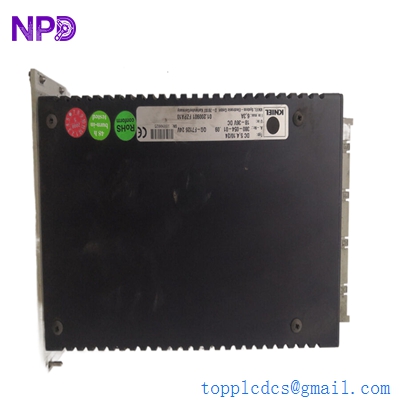
Description
- Model: HIMA 996920202 (K9202)
- Brand: HIMA (Germany)
- Series: H41q / H51q Safety Systems
- Core Function: High-availability central processor module for functional safety execution, New Surplus condition
- Type: Central Processing Unit (CPU) / Processor Module
- Key Specs: 24 V DC operating voltage, dual-channel microprocessor architecture, proprietary HIMA safety bus protocol
- Operating Voltage: 24 V DC (-15% / +20%)
- Current Consumption: 0.8 A at 24 V DC
- Safety Integrity Level: Up to SIL 3 (IEC 61508), AK6 (DIN V VDE 0801)
- Microprocessor System: 1. out of 2 (1oo2) internal redundant architecture
- Clock Frequency: 20 MHz
- Memory Capacity: 1 MB Flash EPROM for program, 1 MB SRAM for data
- Communication Interfaces: RS 485 galvanically isolated, dual channels
- Diagnostic Display: 4-digit alphanumeric LED matrix on the front panel
- Operating Temperature: 0 °C to +60 °C
- Storage Temperature: -40 °C to +85 °C
- Dimensions: 40 SU x 4 U standard Eurocard subrack format
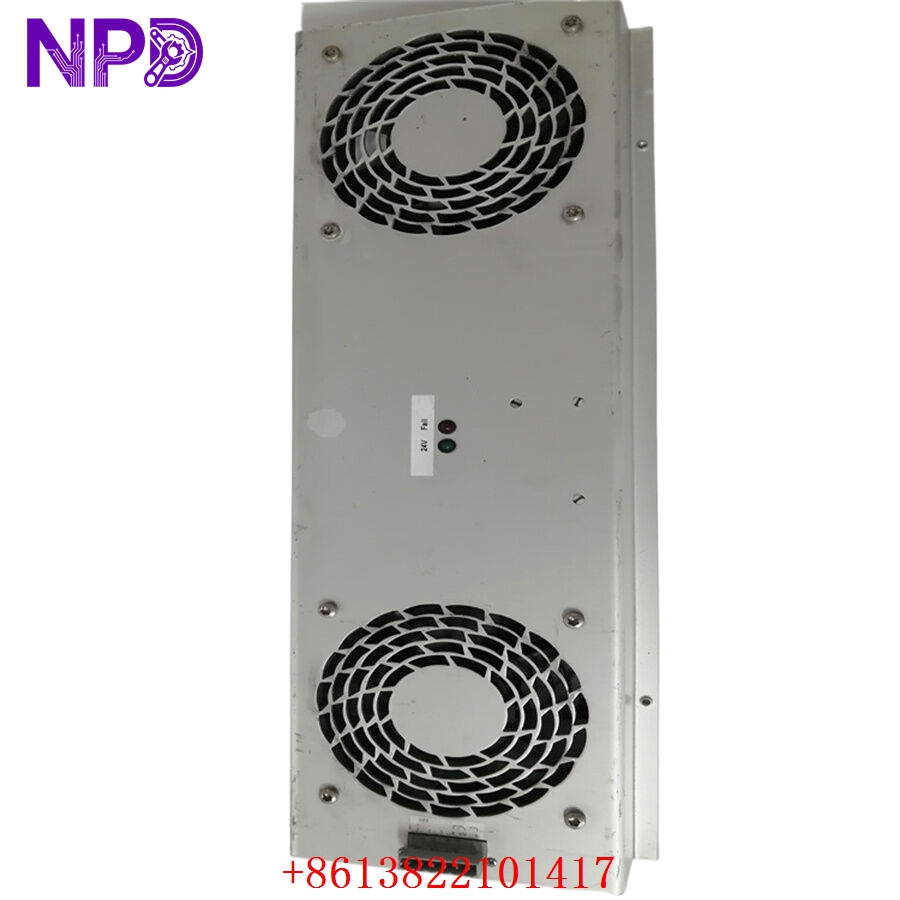
HIMA K9202 996920202
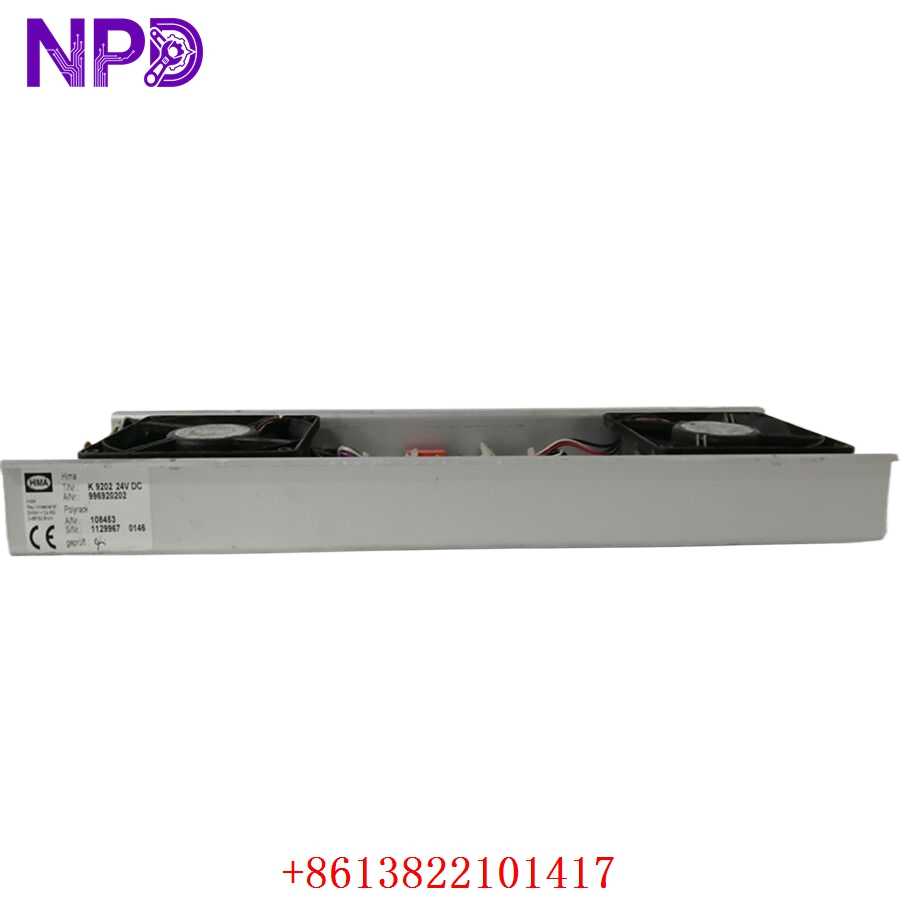
HIMA K9202 996920202
Application Scenarios & Pain Points
In process industries running critical, continuous operations like chemical reactors or offshore platforms, a malfunction in the safety instrumented system means immediate hazard prevention protocols kick in. This trips the entire plant. When a legacy safety controller like this goes dark, you cannot simply wait the standard 12 to 16 weeks for a modern migration package while your facility sits idle losing $150,000 a day. Plant engineers need a drop-in replacement immediately to restore the safety loop validation and safely bring production back online.
Typical Application Scenarios
- Oil & Gas – Emergency Shutdown (ESD) Systems
Monitors critical pressure, level, and gas detection loops across production headers. It forces a safe isolation protocol if parameters breach safety margins.
- Chemical Sector – Burner Management Systems (BMS)
Controls the ignition sequence, flame monitoring, and fuel shut-off valves for industrial furnaces, requiring TUV-certified deterministic execution.
- Petrochemical – Turbomachinery Protection
Acts as the independent overspeed and vibration trip logician for large-scale compressors and steam turbines where mechanical failure must be stopped in milliseconds.
Real-World Field Case: Emergency ESD Recovery
Background: A refinery located in Northwest China was operating an older H51q system for their hydrocracking unit’s main safety interlock loop. During a seasonal electrical storm, a severe power surge slipped past the lightning arrestors in the local instrument rack room.
The Problem: The central rack suffered a localized hardware failure. The main processor went completely dark with zero LED diagnostics, breaking the safety loop communication and forcing a full plant trip. The refinery was losing massive revenue every single hour the unit stayed down. Because the system was an older generation, local distributors had zero local stock, quoting a multi-week lead time to pull a unit from overseas surplus archives.
The Solution: The maintenance superintendent contacted our logistics team to verify a matching assembly. We pulled a clean, original version from our climate-controlled inventory, ran it through our dedicated HIMA validation chassis to verify loop communication, and dispatched it via hand-carry air freight within 6 hours. The module arrived at the plant site by noon the next day.
The Result:
- Total unexpected downtime: Under 36 hours instead of weeks.
- Revenue saved: An estimated $1.8 million in deferred production losses.
- Customer takeaway: The plant team updated their internal critical spares matrix and secured a backup processor for their sister line immediately after.
Compatible Replacement Models
When managing older HIMA safety frameworks, understanding your exact migration path or direct swap options saves days of configuration headaches.
| Original Model | Replacement Model | Compatibility Level | Key Differences | Required Actions | Cost Impact |
| K9202 (996920202) | K9202A (996920205) | ✅ Drop-in Replacement | Minor revision changes in component layout; identical safety logic handling. | None. Slide into existing subrack slot and boot up. | Equal baseline cost |
| K9202 (996920202) | K9203 | ⚠️ Software Compatible | Higher processor speed and expanded memory block allocations. | Export safety configuration in ELOP II, re-assign hardware target profiles, compile, and reload. | +25% premium |
| K9202 (996920202) | HIMax Series | ❌ Hardware Incompatible | Complete generational shift to new system architecture, ethernet safety buses, and modern form factor. | Complete engineering rebuild. Swap backplanes, rewrite logic in SILworX, and change field terminal wiring. | +300% system overhaul |
Troubleshooting Quick Reference
This table serves as a quick guide for an instrument technician working at 3:00 AM trying to figure out if the CPU is dead or if the issue lies in the field loops.
| Symptom | Potential Cause | Hardware Relevancy | Quick Inspection Method | Recommended Action |
| Front matrix completely blank; backplane LEDs dead | Loss of primary power or internal fuse blown | ❌ Low | Measure voltage between backplane pins d2 and z2 using a Fluke 115. Must read 24 V DC. | If 24 V is present but the board stays dark, the internal power regulator is fried. Swap module. |
| “STOP” LED solid red; matrix shows “ERR 1” | Internal memory checksum error / RAM failure | ✅ High | Power cycle the subrack. Check if error clears after self-test routine completes. | The internal memory array has failed. The module requires a component-level bench rebuild or full replacement. |
| “RUN” LED solid green; “COM” LED flashing red | Serial bus communication interruption or bad node address | ⚠️ Medium | Verify the physical position of the address DIP switches on the side of the module. Check for loose RS 485 terminal connections. | Ensure switch settings match your electrical loop diagrams exactly. If matching, inspect downstream communication cards. |
| Matrix displays “BATT” warning | Backup lithium cell voltage dropped below 2.8 V DC | ✅ High | Read the diagnostic buffer using ELOP II programming software to check battery status flags. | Replace the onboard backup battery while the system remains powered up to prevent losing volatile RAM configurations. |
| Intermittent system restarts / watchdog trips | Localized cabinet overheating or power supply ripple | ⚠️ Medium | Use an oscilloscope or quality multimeter to check for AC ripple on the 24 V rail (>100 mV is problematic). Check cabinet exhaust fans. | Clean or replace clogged air filters. If incoming power is clean and ambient air is below 55 °C, the module’s watchdog circuit is failing. |
❗ CRITICAL WARNING: Always wear a properly grounded ESD wrist strap before pulling this module from its subrack slot. The proprietary CMOS microprocessors used on these boards are highly sensitive to static discharge. One accidental static arc can instantly wipe out the flash memory sectors.
If your plant floor team is stuck on a persistent fault sequence that isn’t clearing up with these steps, get in touch with us. Send over a clear photo of the front matrix display error codes, along with your original ELOP system log files, and our engineering team will help you diagnose the root cause.