
Description
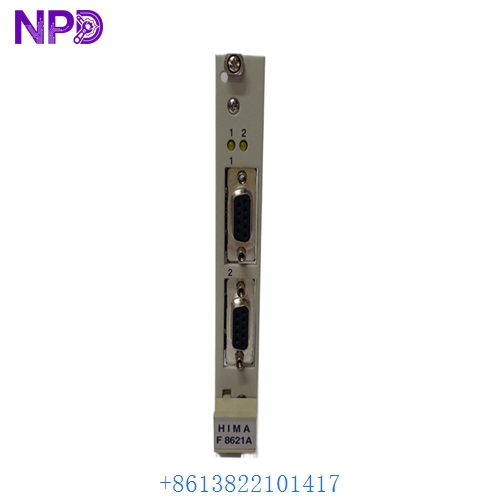
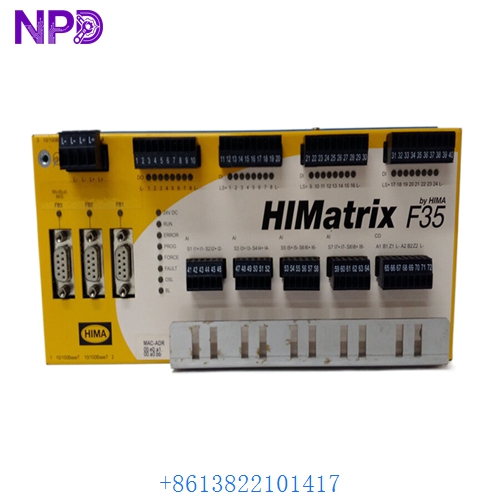
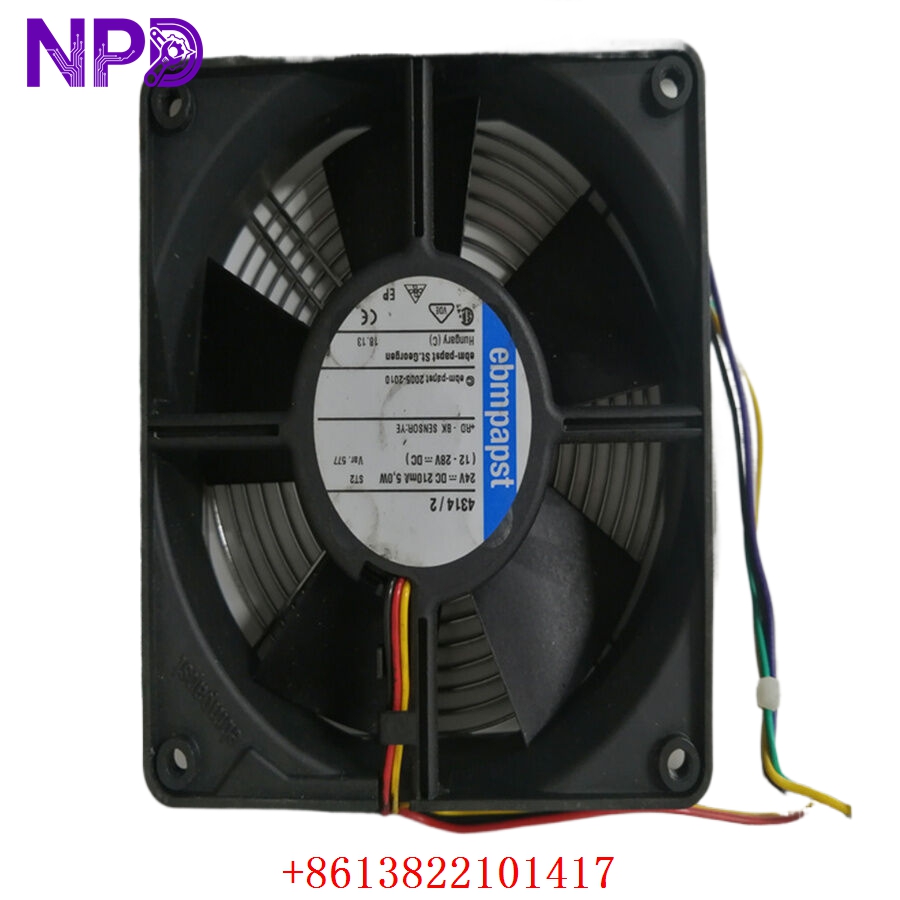
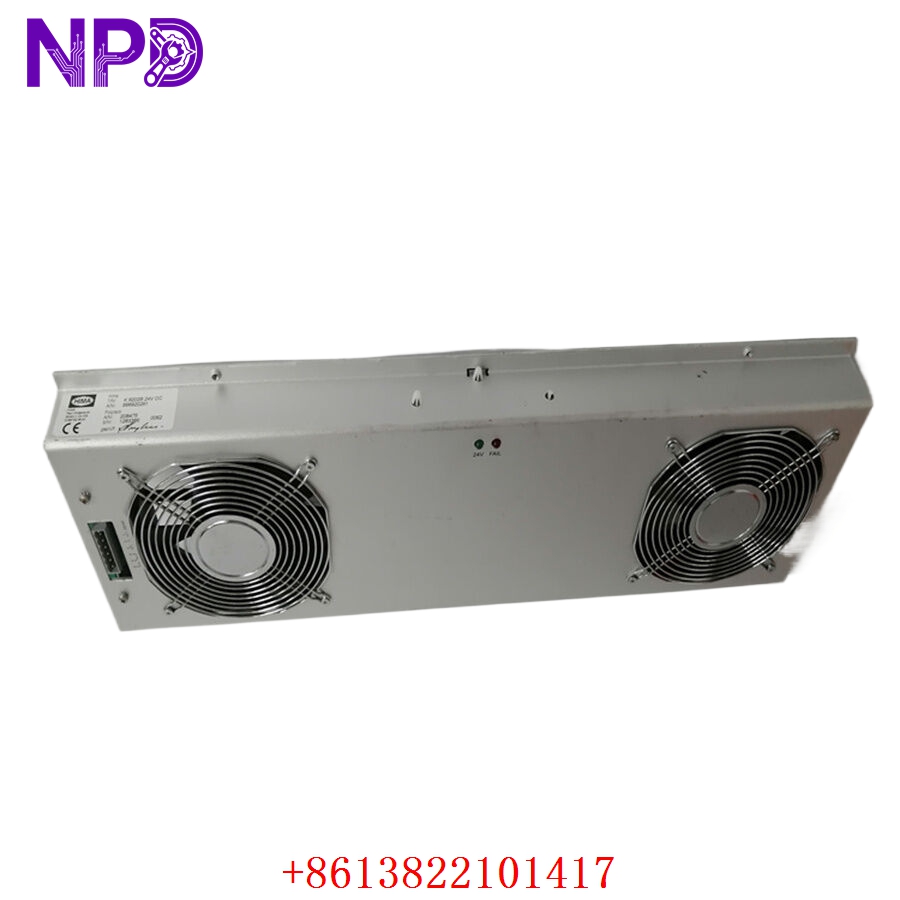
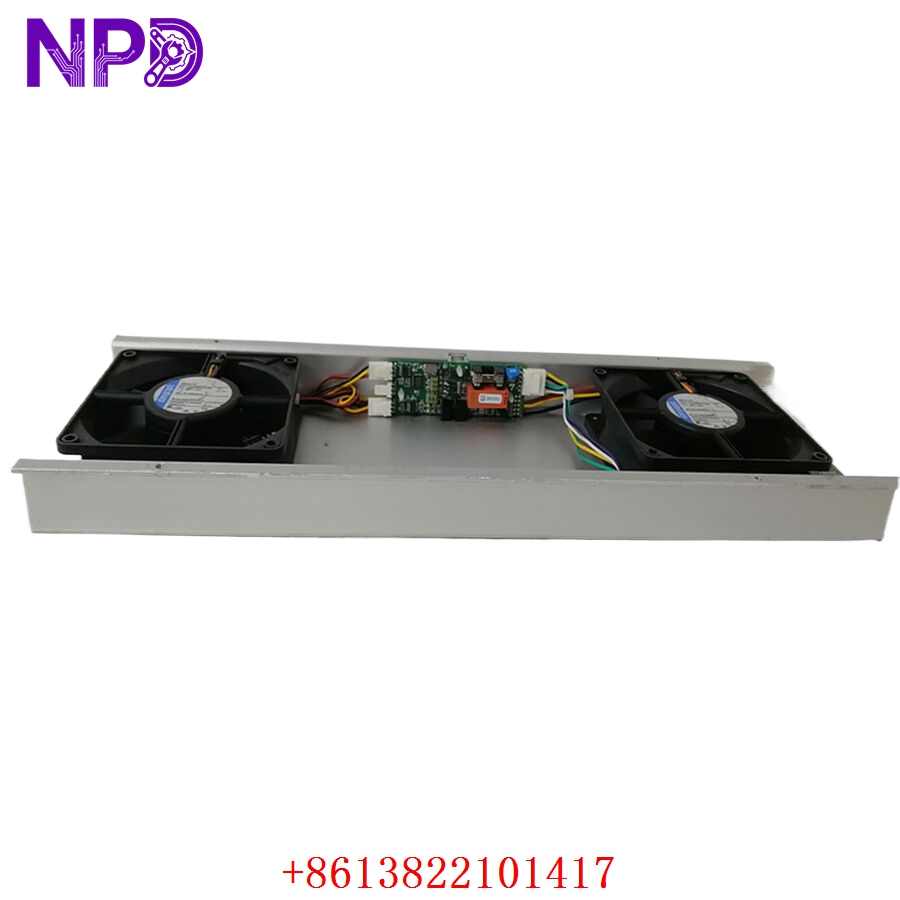
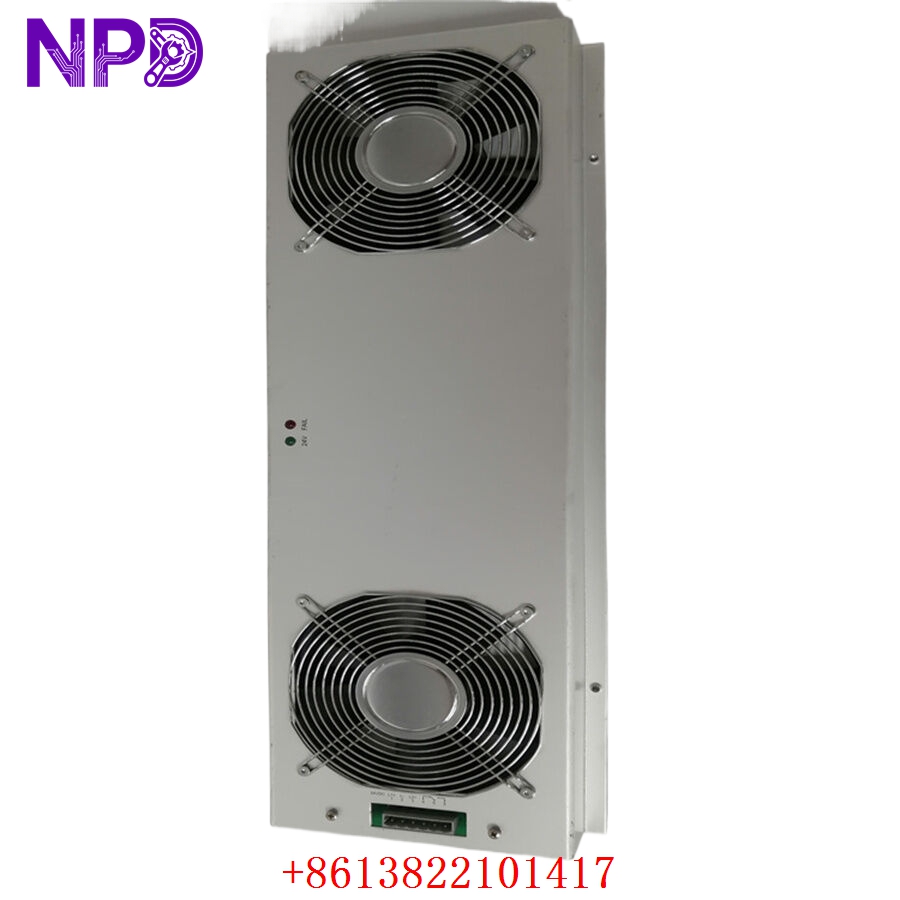
- Model: HIMA 996920261 K9202B
- Brand: HIMA (Germany)
- Series: Plan-Logi-System / H41q-H51q Legacy Series
- Core Function: Bus amplifier/coupler module for safety instrumented systems
- Condition: Brand New Surplus (Original authentic stock, never used)
- Product Type: Communication / Bus Extension Module
- Key Specs: Din-rail mount, proprietary HIMA bus protocol, 24 V DC nominal voltage
- Input Voltage: 24 V DC
- Power Consumption: Approximately 4.5 W
- Module Type: Bus Amplifier / Extension Coupler
- Mounting Configuration: Proprietary subrack / DIN-rail adapter
- Isolation Rating: 500 V AC between bus logic and field ground
- Operating Temperature: 0°C to +60°C
- Storage Temperature: -40°C to +85°C
- Relative Humidity: 95% non-condensing max
- Diagnostic Indicators: Front-panel LED status displays for power and bus activity
- Backplane Interface: Multi-pin gold-plated DIN connector
HIMA K9202B 996920261
HIMA K9202B 996920261
HIMA K9202B 996920261
Installation & Configuration Guide
Phase 1: Pre-Installation (Estimated Time: 15 minutes)
⚠️ Safety Critical Warning:
- This module is part of a Safety Instrumented System (SIS). Coordinate with the plant operations manager to schedule a formal downtime window.
- Verify that the processes controlled by this specific logic rack are isolated and placed into a deterministic, safe state (valves closed, pumps interlocked).
- Shut off the primary rack power supplies. Do not attempt to work on a live backplane.
- Wait at least 3 minutes to allow system capacitance to bleed off completely.
Tooling Checklist:
- ESD (Electrostatic Discharge) wrist strap connected to a verified ground point
- Fine-tip flathead screwdriver (2.0 mm)
- Fluke 115 digital multimeter
- High-resolution camera or smartphone
Data Preservation:
- Upload the latest logic configuration from the ELOP II engineering tool to your backup server.
- Take explicit, high-resolution photographs of any jumper blocks, DIP switches, or hardware revision stamps on the side panels of the old module before pulling it out.
Phase 2: Removal (Estimated Time: 10 minutes)
- Unseat Rear Connections: If your specific subrack assembly utilizes independent wiring harnesses or terminal blocks attached directly to the module, loosen the retention screws counterclockwise. Tag every wire with its corresponding terminal index.
- Disengage Retaining Clips: Locate the top and bottom extraction latches on the HIMA module frame.
- Smooth Extraction: Pull the module straight outward from the subrack chassis. Keep your hands perpendicular to the plane of the backplane to avoid bending the delicate gold pins of the rear connector.
- Physical Inspection: Inspect the backplane slot for signs of thermal stress, carbon tracking, or ambient dust accumulation. Clear any particulate matter using a fresh can of compressed dry air.
Phase 3: Installation (Estimated Time: 15 minutes)
- ESD Compliance: Put on your grounded ESD wrist strap before breaking the seal on the anti-static packaging of the new module.
- Hardware Revision Cross-Check: Verify that the part number reads 996920261 K9202B on the side adhesive label.
- Replicate Jumper Coding: Look at the side panel of the legacy unit you just removed. Match the jumper or trace configurations exactly on the new unit to ensure proper node addressing or line termination.
- Seating the Module: Align the edge guide rails with the chassis channels. Slide the unit in smoothly until the rear pins meet the female backplane receiver. Press firmly until you hear the mechanical click of the locking mechanism.
- Secure the Hardware: Tighten any integrated faceplate retention screws to roughly 0.4 N·m to counter long-term structural vibration.
Phase 4: Power-On & Testing (Estimated Time: 30 minutes)
Pre-Power Check:
- Verify that your multimeter reads an open circuit or high resistance (> 10 kΩ) across the 24 V DC power pins and logic ground before switching the breakers.
The Power-Up Sequence:
- Energize the main rack power distribution block.
- Observe the Indicators: The green Power LED should turn solid immediately. If any red fault indicator illuminates, pull the power and check the backplane seating alignment.
- Run an online hardware topology scan inside your engineering software suite. The system should recognize the new bus amplifier node without returning a configuration mismatch exception.
- Execute a loop test across dependent digital or analog signal paths to confirm the bus communication integrity remains robust across the expanded section.
- Log the serial number, installation timestamp, and technician name inside the plant infrastructure maintenance tracking platform.
Customer Cases & Industry Applications
Case 1: Emergency SIS Recovery at a Petrochemical Refining Complex
Situation: A major chemical refinery located along the Gulf Coast was operating an older HIMA H41q safety system to monitor emergency shutdown matrices on a primary distillation unit. During a routine maintenance turnaround, an unexpected utility surge knocked out the local rack communications, tracking back to a failed bus amplifier interface.
Task: The plant operations came to a grinding halt. Because this involves an active safety interlock loop, the plant could not run under manual bypass without violating strict safety regulations. The vendor quote for a full system migration to a current safety architecture exceeded 250,000, accompanied by an unacceptable 14-week lead time. Meanwhile, every hour of idle downtime was draining roughly 35,000 in lost production capacity.
Action: The facility’s procurement team reached out to our logistics hub after discovering our registered inventory of classic HIMA parts. We pulled a brand new surplus 996920261 K9202B unit from our clean-room storage, ran it through our automated backplane simulator framework, and coordinated an expedited international courier pickup within 3 hours of receiving the purchase order.
Result: The replacement part arrived at the refinery gate exactly 28 hours later. The on-site instrumentation specialist matched the configuration parameters, slid the module into place, and successfully cleared the master safety loop error. The plant returned to regular automated operation in under two days, dodging millions of dollars in extended operational losses.
Case 2: Risk Mitigation and Life Extension at a Baseload Coal-Fired Power Station
Situation: A critical baseload power generation plant in the Midwest relies on legacy HIMA logic assemblies to handle burner management and boiler safety interlocks. The platform has performed reliably for twenty years, but the plant management plans to decommission or transition the entire station by 2031, making a major controls upgrade financially unjustifiable.
Task: The supply chain team faced a serious dilemma. The original equipment manufacturer (OEM) officially declared this family of modules obsolete years ago. If a core communication component failed, the facility risked an un-planned, multi-week outage trying to source verified hardware on the spot market during a peak seasonal demand window.
Action: Our industrial sales division worked directly with the plant’s lead automation engineer to conduct a comprehensive spares audit. We recommended setting up a strategic on-site safety stock layer. The plant approved the allocation to acquire two verified new-surplus 996920261 K9202B bus modules to serve as a long-term insurance policy.
Result: By investing less than $8,000 in targeted strategic inventory, the utility secured the operational viability of their burner management system for its remaining service life. They protected their capital budget from premature capital expenditure outlays, ensuring the facility meets its regional grid commitments without sudden reliability risks.
Frequently Asked Questions (FAQ)
Q1: Is the K9202B module hot-swappable?
A: Absolutely not. The K9202B is an active bus expansion component that handles low-level logic line signaling. Attempting to pull or insert this module while the backplane is energized can induce transient inductive spikes, which risk corrupting adjacent processor memory or permanently damaging the delicate solid-state components on the backplane interface. Always isolate power before swapping parts.
Q2: What exactly does “Brand New Surplus” mean for an obsolete HIMA part?
A: It means this component is brand new and has never been installed in a live industrial system. These units typically originate from canceled capital projects, over-stocked climate-controlled corporate central reserves, or original system integrator warehouse allocations.
Important Note: Unlike standard “used” or “refurbished” parts floating around the market, our new-surplus units show zero trace of terminal screw wear, oxidation on copper traces, or component degradation from long-term thermal exposure.
Q3: How do you verify the functionality of an obsolete safety module before it ships?
A: Every single piece of hardware undergoes a rigorous, multi-step quality assurance validation pipeline before it gets packed for shipment.
To be perfectly transparent: we don’t just check if the power light turns on. We mount the module into a functional test chassis, establish active bus communication paths, and monitor data stability under simulated load profiles. While we cannot claim a 100% statistical guarantee against infant mortality failures, this process eliminates virtually all dead-on-arrival risks. We are happy to share high-resolution photos or video records of your specific serial number on the test bench prior to dispatch.
Q4: If the K9202B is completely unavailable in the future, what is the official migration path?
A: Because HIMA officially discontinued this hardware platform years ago, there is no direct plug-and-play modern replacement catalog number. If you run completely out of spare modules, you will be forced to upgrade that entire rack subsystem to a modern safety system architecture. This process typically requires rewriting the safety logic, modifying the physical cabinet dimensions, re-terminating the field wiring, and obtaining updated regulatory safety certifications—a process that easily costs tens of thousands of dollars and requires extensive downtime. Sourcing reliable surplus stock remains the most cost-effective way to extend the lifecycle of your existing infrastructure.
Q5: What happens if the module fails within your 1-year warranty period?
A: If you run into any functional issues, call our engineering support line immediately. We will first walk through a remote diagnostic check to rule out common external issues like power supply drift or bus termination line faults. If we determine that the module has suffered an internal component failure under normal operating parameters, we will issue a return merchandise authorization (RMA). We will either provide a functional replacement unit from our active inventory pools or issue a full credit refund if a replacement is no longer available.