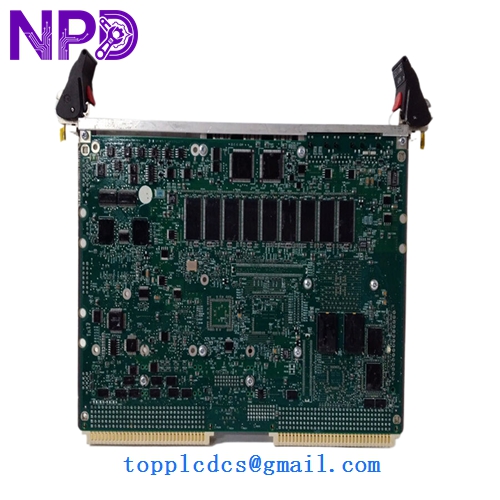
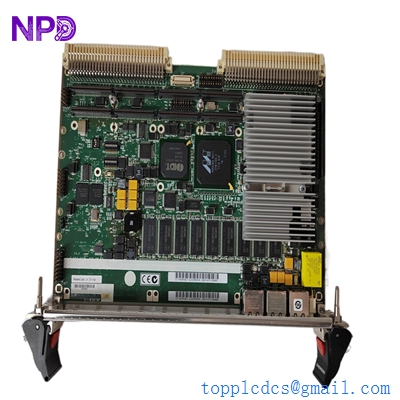

Description
Product Parameters
- Model Number: MVME6100 (Series includes MVME6100-0161, -0163, etc.)
- Processor: NXP (Motorola) MPC7457 PowerPC G4 (Up to 1.25 GHz)
- Memory: Up to 2 GB DDR SDRAM (with ECC)
- Flash Memory: 128 MB Boot Flash; 1 GB User Flash (NAND)
- Communication: Dual 10/100/1000 Mbps Ethernet ports
- Interface: 2 PMC slots (PCI-X 64-bit/100 MHz)
- Bus Standard: VME64 / VME64 Extension (2eSST support)
- Country of Origin: USA
- Weight: 1.54 lbs (0.70 kg)
- Dimensions: 9.2 in x 6.3 in x 0.8 in (23.3 cm x 16.0 cm x 2.0 cm)
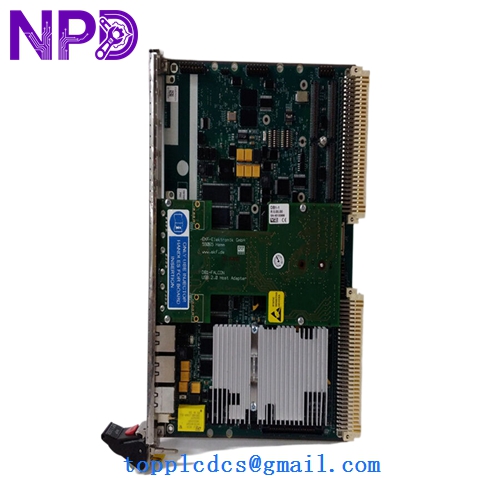
MOTOROLA MVME6100
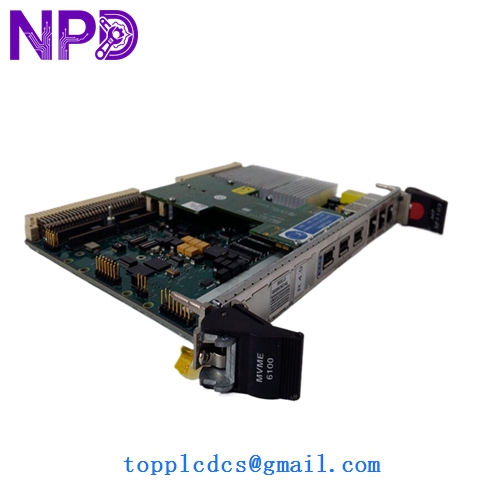
MOTOROLA MVME6100
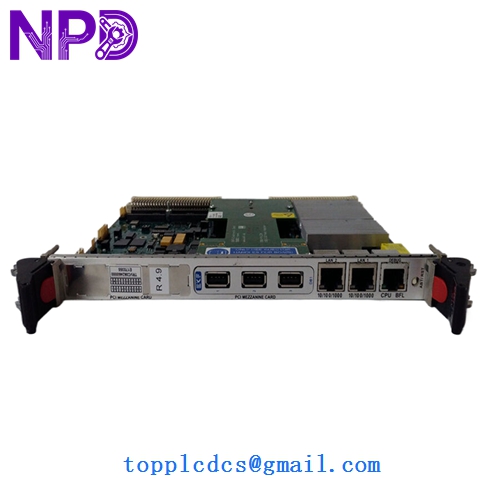
MOTOROLA MVME6100
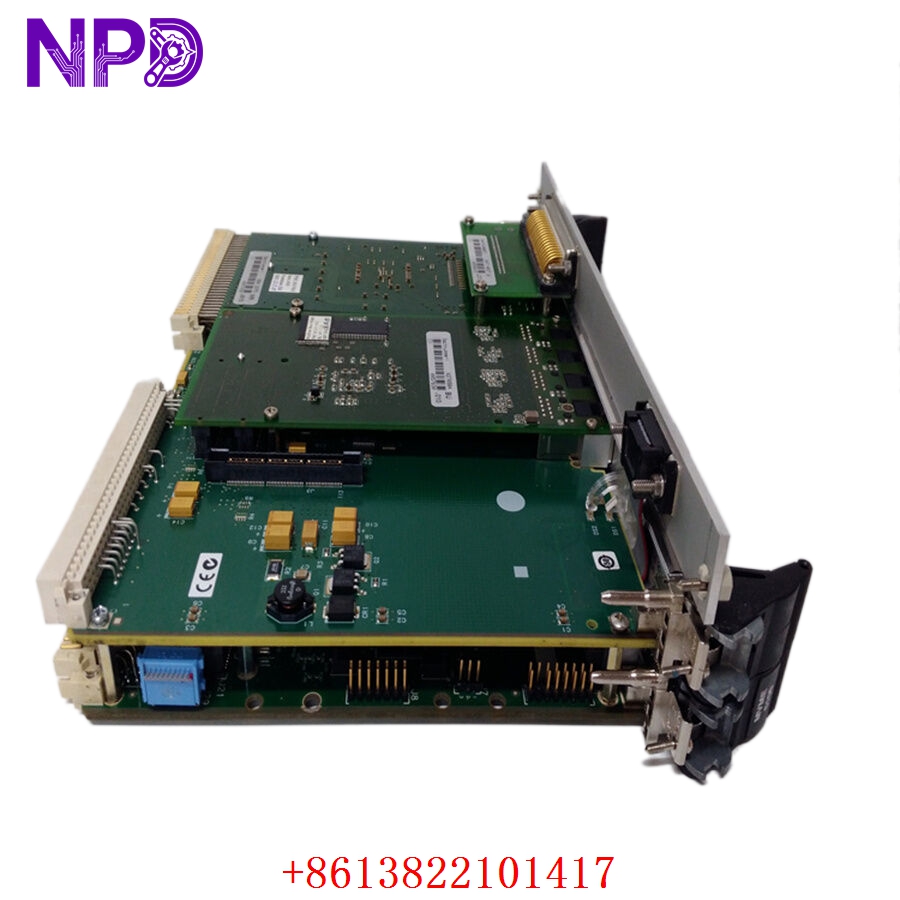
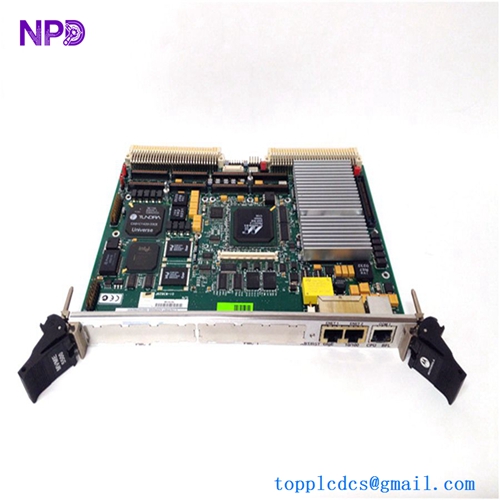
The MOTOROLA MVME6100 is a high-performance VMEbus single board computer designed for demanding industrial, aerospace, and defense applications. It is the first VME board to leverage the Tundra Tsi148 bridge chip, which supports the 2eSST protocol, enabling a theoretical VMEbus bandwidth of up to 320 MB/s. Built around the PowerPC G4 processor with AltiVec technology, this board excels in digital signal processing and high-speed data movement, providing a long-lifecycle solution for systems requiring significant computational power and high-speed networking within a rugged VME64 environment.
Model Comparison
The MVME6100 is a significant upgrade over the MVME5100 and MVME5500 series, primarily due to the introduction of the 2eSST (Two-Edge Source Synchronous Transfer) protocol and doubled memory capacity. While the MVME5500 utilizes the MPC7410 processor, the MVME6100’s MPC7457 offers higher clock speeds and a larger L7 cache for improved processing efficiency. Compared to newer MVME7100 or MVME8100 models, the 6100 remains the preferred choice for legacy VME software environments (like VxWorks 5.5/6.x) that require a bridge between classic VME architectures and modern gigabit networking.
Operation Tips
- Airflow Requirements: Due to the 1.25 GHz PowerPC processor, this board generates considerable heat; ensure your VME chassis provides at least 400 LFM (Linear Feet per Minute) of forced-air cooling to prevent thermal throttling.
- Battery Replacement: The real-time clock (RTC) and non-volatile RAM depend on a small on-board battery; if the system loses its configuration settings after a power cycle, check the battery voltage.
- PMC Installation: When installing PMC (PCI Mezzanine Card) expansion modules, ensure the board is fully removed from the rack and you are following ESD-safe procedures to avoid damaging the PCI-X bus controller.
- 2eSST Enablement: To achieve the maximum 320 MB/s bus speed, all boards participating in the data transfer must be 2eSST capable and correctly configured in the Tsi148 register settings; otherwise, the board will default to standard VME64 speeds.