
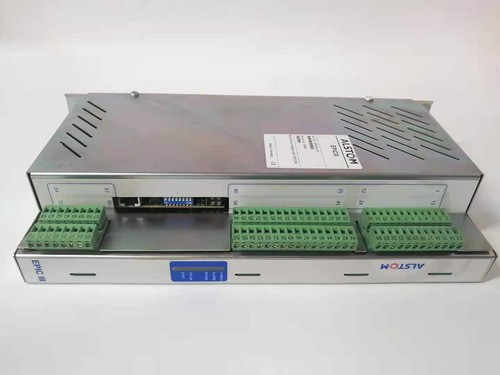
The Alstom EP3-E-4-A is an advanced microprocessor-based controller specifically designed for the management of Electrostatic Precipitators (ESPs). It serves as the primary intelligence for the Transformer Rectifier (TR) set, optimizing the electrical power input to the ESP collection fields. By precisely controlling the spark rate and secondary voltage, the EP3-E-4-A ensures maximum particulate collection efficiency while minimizing energy consumption and preventing equipment damage.
For inquiries regarding procurement or technical replacement of this Alstom module, please visit our EP3-E-4-A contact page.
Technical Description and Parameters
The EP3-E-4-A utilizes sophisticated algorithms to detect and respond to sparks and arcs within the ESP fields. It adjusts the firing angle of the thyristors (SCRs) to maintain the highest possible corona power without sustained flashover.
- Module Type: ESP Automatic Voltage Controller (AVC)
- Series: Alstom / GE Power (Environmental)
- Control Method: Microprocessor-controlled Thyristor (SCR) firing
- Input Signals: Secondary Voltage (kV), Secondary Current (mA), Primary Current
- Spark Detection: High-speed sensitivity with adjustable recovery rates
- Communication: RS-485 or specialized serial bus for connection to a central management system (e.g., Alstom ProMo or GE PRC)
- Display: Integrated keypad and LED/LCD interface for local parameter viewing
Product Datasheet Specifications
- Dimensions: 240 mm x 180 mm x 120 mm (Standard rack or panel mount)
- Weight: 1.45 kg (3.2 lbs)
- Country of Origin: France / Sweden / India
- Enclosure Protection: IP20 (intended for installation within a TR control cabinet)
- Operating Temperature: -10°C to +60°C
- Supply Voltage: 110V/220V AC (Internal logic power)
Application Fields
The EP3-E-4-A is essential for high-capacity air pollution control systems:
- Coal-Fired Power Plants: Controlling fly ash collection from boiler flue gases.
- Cement Plants: Managing particulate recovery from kilns and clinker coolers.
- Steel Mills: Filtering emissions from blast furnaces and sinter plants.
- Incineration Facilities: Ensuring compliance with environmental opacity regulations.
Product Instructions for Use
- Installation: Mount the module within the TR control panel. Ensure the ground connection is robust, as the high-voltage environment of an ESP can generate significant electromagnetic interference.
- Feedback Calibration: Connect the feedback signals from the voltage divider and current shunt. The EP3-E-4-A must be calibrated to the specific ratios of the installed Transformer Rectifier set.
- Spark Rate Setting: Set the desired “Spark Per Minute” (SPM) rate. A typical starting point is 10-50 SPM, depending on the specific resistivity of the dust being collected.
- Back-Corona Detection: Activate the “Intermittent Energization” (IE) mode if high-resistivity dust is present; this helps prevent back-corona and significantly reduces energy usage.
Q&A: Frequently Asked Questions
Q: Can the EP3-E-4-A replace an older EP2 series controller? A: Yes, it is the modern successor to the EP2. However, wiring terminal maps may differ, and it is recommended to verify the pin-out compatibility before a swap.
Q: What is the “Rapping” control function in the EP3? A: The controller can be synchronized with the rapping system to reduce power during the rapping cycle (Power-Down Rapping), which helps prevent re-entrainment of dust into the gas stream.
Q: How do I troubleshoot a “Low KV” alarm? A: Check for internal ESP issues first (e.g., shorted electrodes or heavy buildup). If the ESP is clear, verify the feedback signal cable from the TR set to the EP3 module.
Related Product News
Following the acquisition of Alstom’s power business by General Electric (GE), the EP3 series has been integrated into the GE Steam Power portfolio. Recent software updates for the EP3-E-4-A focus on “Adaptive Control,” which uses machine learning patterns to predict spark occurrences before they happen, allowing for smoother voltage adjustments. In 2026, many plants are utilizing the EP3’s data logging capabilities to integrate with “Digital Twin” models, enabling operators to simulate the impact of different coal blends on ESP efficiency in real-time. This focus on “Smart ESP” technology helps facilities meet increasingly stringent global emission standards without requiring expensive mechanical overhauls.


