
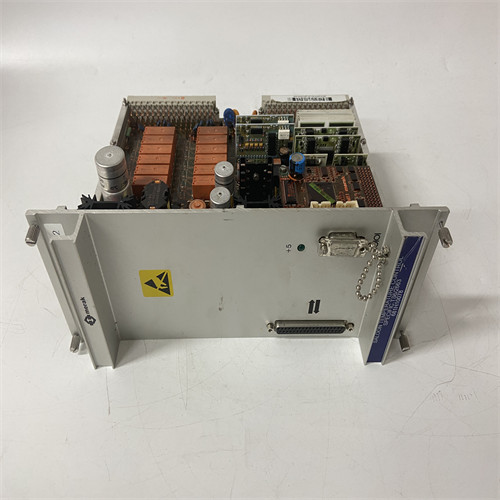
The MERAK 681H10078, 681K10078, and 681K10079 are high-reliability, specialized electronic control modules designed by Knorr-Bremse / Merak for railway HVAC (Heating, Ventilation, and Air Conditioning) systems. These boards function within the embedded climate control network of passenger trains, high-speed rail, and metro cars, regulating ambient temperature, air quality, compression cycles, and blower fan speeds. Engineered to withstand the extreme environmental stresses typical of the rolling stock industry, these modules ensure deterministic, real-time climate management.
Product Specifications & Family Hierarchy
These part numbers represent interconnected or progressive hardware revisions within the same MERAK climate control subsystem architecture:
- 681H10078: Typically designates the primary processing core or main motherboard layout responsible for executing the localized HVAC firmware, processing sensory inputs, and managing network communications.
- 681K10078: Generally serves as the companion power interface, relay driver, or I/O extension board that handles high-current switching for compressors, heaters, and ventilation actuators.
- 681K10079: Represents an optimized hardware revision or specialized variation of the “K” series interface card, featuring updated protection circuits and component layout enhancements.
Technical Parameters
- Manufacturer: MERAK (A Knorr-Bremse Group Company)
- Application System: Rolling Stock HVAC Controls
- Logic Supply Voltage: 24V DC / 110V DC (Standard railway battery/control voltages)
- Network Communications: MVB (Multifunction Vehicle Bus), CANopen, or RS-485 serial networks for vehicle train control system (TCMS) integration.
- Protection Standards: Full conformal coating across all variants to defend against moisture, brake dust, condensation, and saline air.
Physical Datasheet
- Form Factor: Industrial Eurocard plug-in module or heavy-duty chassis plate assembly.
- Shock & Vibration Resistance: Certified to EN 61373 (Category 1, Class B) for body-mounted rolling stock equipment.
- Fire & Smoke Standards: Built using materials compliant with EN 45545-2 safety classifications.
- Operating Temperature Limits: Ruggedized for extended profiles from -40°C to +70°C.
Application Fields
This MERAK module family is deployed globally across mass transit rolling stock:
- High-Speed Passenger Rail: Maintaining localized climate control profiles across multiple passenger cars.
- Subway & Metro Cars: Rapidly adjusting ventilation rates based on variable passenger load telemetry.
- Light Rail Vehicles (LRVs): Interfacing climate sub-systems directly with the driver’s primary dashboard terminal.
- Locomotive Cabs: Regulating separate driver-cab microclimates independent of the main passenger compartments.
Product Usage Instructions
- Chassis Slot Alignment: Slide the module smoothly along the card guides inside the MERAK control cabinet. Ensure the heavy-duty backplane connectors seat completely before tightening any front-panel retaining hardware.
- Addressing and Configuration: Before powering up a replaced board, verify the position of any onboard rotary address switches or jumpers. These hardware configurations define the module’s unique ID on the train’s internal vehicle bus network.
- Sensor Wiring Validation: Route external PT100/PT1000 temperature sensors and pressure transducer wires using high-grade shielded cables. Ensure the cable shields are grounded directly to the sub-rack frame to block high-frequency electromagnetic noise generated by the train’s traction inverters.
- Network Integration: Connect the MVB or serial data lines into the designated ports. Use the train’s master diagnostic tool to verify that the newly installed module establishes a handshake with the central Train Control and Management System (TCMS).
- Handling Regulations: Due to high-density logic elements, always wear a grounded anti-static wrist strap during maintenance. Ensure the primary railway battery supply is completely isolated before executing card extractions.
Q&A – Frequently Asked Questions
Q: Can a 681K10079 board directly replace an older 681K10078 card? A: In most instances, the 681K10079 acts as a backward-compatible functional upgrade featuring a more resilient electrical protection layout. However, you must cross-reference the specific MERAK firmware version installed on your main 681H controller to ensure system communication maps remain completely aligned.
Q: Why are these boards specifically certified under EN 50155? A: EN 50155 is the standard governing electronic equipment used on rolling stock. Compliance ensures that these MERAK modules can handle aggressive voltage fluctuations, rapid thermal cycling, and constant mechanical vibration without experiencing component drift or solder-joint fractures.
Q: How do these modules communicate localized faults back to the train engineer? A: The modules utilize status LEDs on the front faceplate for rapid physical troubleshooting, while simultaneously broadcasting specific fault codes (such as sensor open-circuits, compressor overcurrents, or communication drops) over the train’s network to the driver’s display panel.
Q: Where can I check current component stock or request a repair quote? A: For commercial pricing matrices, international shipping lead times, and certified warranties on new or fully refurbished railway electronics, please visit our MERAK HVAC Control Module Resource Page.
Product Related News
In mid-2026, transit authorities worldwide are prioritizing life-extension programs for their mid-generation rolling stock fleets rather than pursuing complete vehicle overhauls. As a result, robust HVAC control components like the MERAK 681H10078 and its companion “K” series modules are seeing high demand in the transit maintenance pipeline. Fleet engineering groups are focusing on rebuilding existing climate cabinets with updated revisions to ensure reliability during increasingly volatile summer and winter seasonal spikes. Specialized component-level transit repair depots have upgraded their diagnostic testing benches to fully simulate active train bus conditions, ensuring that refurbished modules maintain stable operational thresholds before being redeployed back into active passenger service.


