
The GE IS200AEADH1A is a specialized Input/Output (I/O) module, specifically designated as a Grid Fork Board, designed for the Mark VIe Wind Turbine control series. This board is a critical interface component within the Speedtronic™ architecture, facilitating precise signal processing and communication between the central control system and the electrical grid infrastructure of a wind power plant.
Product Specifications
Technical Parameters
- Part Number: IS200AEADH1A
- Manufacturer: GE Energy (General Electric)
- Series: Mark VIe Wind
- Functional Acronym: AEAD
- Functional Description: Input/Output Grid Fork Module
- Coating: Conformal coating (standard “H1A” designation) for protection against moisture, dust, and chemical contaminants.
- Revision: Functional Revision A
- Origin: Manufactured in the USA
Physical Datasheet
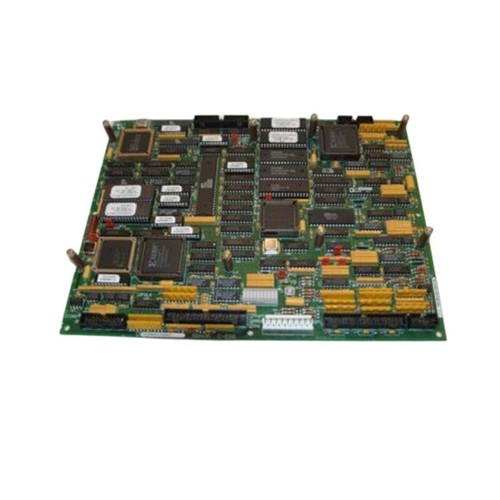
- Form Factor: Rectangular printed circuit board (PCB) without a front faceplate.
- Mounting: Designed for open-frame or specialized mounting using factory-drilled corner holes (not for standard VME rack insertion).
- Connectors:
- Three vertical-pin terminal strips (12 pins per strip) arranged in parallel.
- Additional “Stab-on” and plug-type connectors.
- One right-angled connector extending across the entire right edge.
- Onboard Components: Features two heat sinks, eight integrated relays, wire-wound resistors, and various capacitors/integrated circuits.
Application Fields
The IS200AEADH1A is primarily utilized in large-scale renewable energy operations:
- Wind Turbine Control: Managing grid-side connections and ensuring signal integrity between the turbine and the power collection system.
- Grid Synchronization: Facilitating the synchronization and data exchange required to feed wind-generated power into the utility grid.
- BOP (Balance of Plant) Control: Used in auxiliary control systems that support the main turbine operation.
Product Usage Instructions
- Installation: Because this module lacks a faceplate, it is intended for mounting directly to a base plate or within a specialized enclosure. Use the corner mounting holes to secure the board.
- ESD Precautions: This board is highly sensitive to static discharge. Ensure you are wearing a grounded ESD wrist strap before handling the PCB or making any terminal connections.
- Wiring: Utilize the parallel terminal strips for primary signal I/O. The right-angled connector is typically used for high-density bus communication or connecting to a backplane. Ensure all connections are secure to prevent data dropouts.
- Environmental Care: While the conformal coating provides protection, the board should still be housed in an environment that meets the Mark VIe series standards (typically NEMA-rated enclosures for wind applications).
- Rev Check: If replacing an older “IS200AEADH1” board, verify that the revision “A” (H1A) is compatible with your current system firmware, as the revision indicates updated functional logic.
Q&A – Frequently Asked Questions
Q: What does the “Grid Fork” terminology refer to? A: In GE Mark VIe nomenclature, a “Grid Fork” board typically refers to a module that splits or routes specific I/O signals across a grid-like bus architecture or manages the interface between the control logic and the external electrical grid.
Q: Is this board compatible with standard Mark VI (non-e) systems? A: No. The IS200AEADH1A is specifically designed for the Mark VIe (Evolution) series, which uses different communication protocols and mounting configurations compared to legacy Mark VI VME-based systems.
Q: Where can I find pricing or warranty information for this board? A: For official quotes, 3-year warranty options, and availability of new or refurbished units, visit our GE IS200AEADH1A Module Support Portal.
Product Related News
In May 2026, the IS200AEADH1A continues to be a high-priority spare part as global wind fleets reach their mid-life maintenance milestones. As part of the “Smart Grid” transition, many operators are utilizing the AEAD board’s robust signal processing to integrate advanced turbine monitoring sensors. Industry reports suggest that the conformal coating on the H1A revision has been highly effective in coastal wind farms, where salt-air corrosion is a common challenge for industrial electronics. Currently, specialized refurbishing facilities are offering component-level audits for AEAD boards to ensure the onboard relays and heat sinks remain within their original operating tolerances, further extending the service life of existing Mark VIe Wind installations.


