
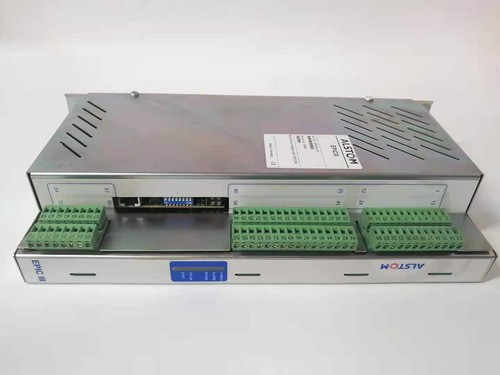
The ALSTOM EP3-E-4-A is a high-performance, microprocessor-based controller specifically designed for the optimization of Electrostatic Precipitators (ESP). As a part of the legacy ALSTOM environmental control line, this unit is engineered to manage the transformer-rectifier (T/R) sets that power the collection fields. The EP3-E-4-A is distinguished by its ability to perform advanced spark-rate control and intermittent energization, which significantly reduces power consumption while maintaining maximum particulate collection efficiency. Its robust design is intended for the demanding conditions of industrial flue gas treatment plants, where heat, dust, and electrical noise are constant factors.
Technical Specifications
The following parameters outline the technical characteristics of the EP3-E-4-A controller:
- Model Number: EP3-E-4-A
- Manufacturer: ALSTOM (now part of GE / General Electric)
- Product Type: ESP Microprocessor Controller
- Voltage Supply: 110V / 220V AC (Internal jumper selectable)
- Input Signals: Secondary Voltage (kV), Secondary Current (mA), and Primary Current
- Control Outputs: Thyristor firing pulses (SCR Gate drive), Rapper control signals
- Communication: RS-485 / Serial communication for remote monitoring (ProfiBus/Modbus compatible via gateway)
- Enclosure: Rack-mount or panel-integrated design
- Weight: 1.20 kg
Application Fields
The EP3-E-4-A is a staple in large-scale emission control systems, including:
- Coal-Fired Power Plants: Controlling the fly ash removal process to meet environmental opacity standards.
- Steel Manufacturing: Cleaning exhaust gases from blast furnaces and sinter plants.
- Cement Production: Managing the dust extraction for clinker kilns.
- Pulp and Paper: Recovery boiler precipitator control for chemical and particulate reclamation.
Product Instructions and Handling
The ALSTOM EP3-E-4-A should be installed within a dedicated control cabinet, typically located near the T/R set. Before applying power, ensure that the voltage selection jumpers match the local supply. The unit interfaces with high-voltage feedback transformers; therefore, all secondary wiring must be properly shielded and separated from power-carrying conductors to prevent signal interference. During initial setup, the “Spark Sensitivity” and “Quench Time” parameters must be tuned to the specific gas resistivity of the process. Handle the controller with care, particularly the front-panel display and keypad. Use standard anti-static (ESD) precautions when accessing internal boards for maintenance or chip replacement.
Questions and Answers
Q: What is the primary advantage of the “Intermittent Energization” mode on the EP3? A: This mode allows the controller to pulse the power to the ESP fields rather than providing a continuous charge. This is highly effective for high-resistivity dust, as it prevents “back corona” and can reduce energy consumption by up to 50% without affecting collection efficiency.
Q: Can the EP3-E-4-A control the rapping system? A: Yes, the EP3-E-4-A includes logic to coordinate the rapping (vibrating) of the collection plates. It can synchronize rapping cycles with power-down periods to minimize “re-entrainment” of dust back into the gas stream.
Q: How does the EP3 handle a major arc or short circuit in the precipitator? A: The controller features a fast-acting “Arc Detection” circuit that immediately suppresses thyristor firing. It then performs a controlled ramp-up of power to clear the fault and resume normal operation as quickly as possible.
Product Related News: Supporting Legacy Environmental Infrastructure
While ALSTOM’s environmental division has been integrated into GE’s Power portfolio, the EP3-E-4-A remains a vital component for thousands of active ESP installations worldwide. As global emission standards for particulate matter (PM2.5 and PM10) become increasingly stringent, maintaining these controllers at peak performance is essential for regulatory compliance. Industry trends show that many plants are choosing to perform “Controller Refreshes”—replacing older EP2 or EP3 units with original ALSTOM hardware—to avoid the complexity of full-scale system migrations. By providing original EP3-E-4-A units, operators can ensure that their air quality control systems continue to operate with the reliability and precision required for modern industrial sustainability goals.


